
Plants
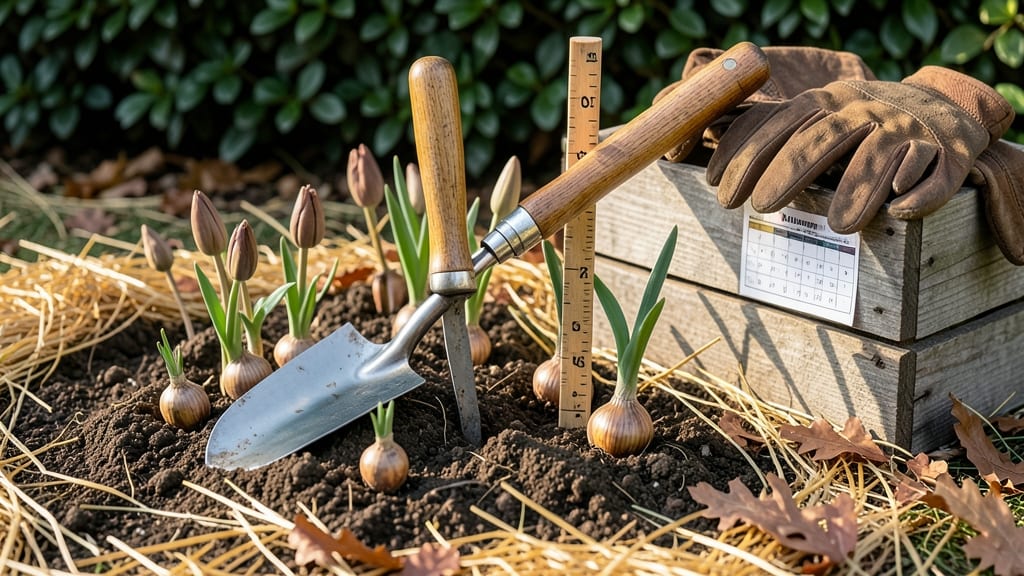
Planting your Spring Flowering Bulbs 🌷 at the wrong time in Iowa could mean watching them rot before they ever bloom. The key to success lies in understanding your hardiness zone and working with Iowa’s unpredictable frost dates—get it right, and you’ll enjoy vibrant blooms next spring.
Iowa’s USDA Zones 5a-5b demand precise timing, especially since late frosts can still hit in April. Most gardeners swear by fall planting, but spring planting has its place too—if you know the tricks.
Whether you’re a first-time gardener or a seasoned pro, this guide will help you avoid common mistakes that waste time and money.
From soil prep to mulching strategies, I’ll walk you through the exact steps to plant bulbs in Iowa’s climate. You’ll learn why September-October is the golden window for fall planting, how to protect your bulbs from Iowa’s notorious voles, and when spring planting makes sense.
Let’s get those 🌷 bulbs in the ground the right way.
Ready to transform your yard into a springtime paradise? The best time to plant is now—before the first frost locks the soil. I’ll show you how to make it happen, step by step, so you can enjoy those first blooms without the guesswork.
Iowa hardiness zones 4-5: exact months to plant bulbs for spring blooms
Iowa’s USDA Hardiness Zones 4-5 create a unique challenge for bulb planting—get the timing wrong, and your tulips, daffodils, or crocuses might never bloom.
Most of Iowa falls into Zone 5a (average annual minimum -15°F) and Zone 4b (-25°F to -20°F), with average first frost dates between October 10-20 and last frosts around April 10-20. Planting too early or late disrupts root development before winter dormancy.
For spring-blooming bulbs, the 6-8 week window before ground freeze is critical. In Iowa, this translates to mid-September through early October for most regions. Zone 4a gardeners should aim for late September, while Zone 5b areas can extend planting until mid-October.
Missing this window means bulbs won’t establish roots before winter, leading to weak or no blooms next spring.
🌱 Did You Know? Iowa State University Extension recommends using a soil thermometer to confirm when soil temps drop below 50°F (10°C)—this is your cue to finish planting. Most garden centers sell bulbs in early September, but don’t rush—wait until soil conditions are right.
| Zone & Location | Optimal Planting Window | Bulb Examples | Key Notes |
|---|---|---|---|
| Zone 4a (Northwest IA: Sioux City, Waterloo) | Late September (Sept 20-Oct 5) | Tulips, Daffodils, Crocuses | First frost Oct 10-15—plant early! |
| Zone 4b (Central IA: Des Moines, Ames) | Mid-September (Sept 15-Oct 10) | Hyacinths, Alliums, Snowdrops | Soil freezes by Oct 20—don’t delay. |
| Zone 5a (Southwest IA: Ottumwa, Council Bluffs) | Early to Mid-October (Oct 1-15) | Daffodils, Fritillaries, Grape Hyacinths | Later frost dates—extend window slightly. |
| Zone 5b (Southeast IA: Davenport, Cedar Rapids) | Mid-October (Oct 10-20) | Tulips, Irises, Crocuses | First frost Oct 15-25—push limits! |
🌡️ Pro Tip: Use Iowa State’s frost date calculator (extension.iastate.edu) for your exact location.
While fall planting is ideal for most bulbs, Iowa’s unpredictable late frosts (even in May!) make spring planting a viable backup.
For spring planting, aim for March 15-April 15, but only if you can’t plant in fall. Daffodils and crocuses handle spring planting better than tulips, which are more frost-sensitive once sprouted.
One critical mistake Iowa gardeners make is planting too shallowly—bulbs need 6-8 inches of soil coverage to protect roots from freeze-thaw cycles. In heavy clay soils (common in Iowa), add compost or sand to improve drainage. Mulch with 2-3 inches of straw after planting to insulate bulbs during winter.
For summer-blooming bulbs like dahlias or gladiolas, Iowa’s timeline shifts—plant these in late May after all frost risk passes. These bulbs thrive in Zone 5’s heat and reward patience with bold summer blooms. Just remember: no fall planting for these varieties—they won’t survive Iowa winters.
If you’re unsure about your exact frost dates, check Iowa’s Mesonet (mesonet.agron.iastate.edu) for real-time soil and air temperature data. Local Master Gardener programs (find yours at hort.iastate.edu) also offer free bulb-planting workshops in September and October—perfect for hands-on learning.
Finally, store bulbs properly if you buy them early
Fall vs. spring planting: which works best for Iowa’s climate?
Iowa’s unpredictable winters and variable frost dates make choosing the right planting season critical for bulb success. Most gardeners swear by fall planting—and for good reason. When planted in September or October, bulbs establish roots before winter, giving them a head start for spring blooms.
This method works 90% of the time in Iowa’s USDA Zones 4-5, where cold winters are the norm.
Spring planting is riskier but can work for summer-blooming bulbs like dahlias or gladiolas, which thrive when planted after the last frost (typically mid-April). However, spring-planted bulbs often struggle to establish roots before summer heat sets in, leading to weaker blooms.
If you miss the fall window, spring planting is your backup—but don’t expect the same vibrant results.
Iowa’s late frosts (often lingering into May) add another layer of complexity. Planting too early in spring can expose young shoots to frost damage, while waiting too long may delay blooming.
The key is to time it right: aim for March or early April when soil temperatures stabilize above 50°F. For fall plantings, 6-8 weeks before the first frost is ideal—usually mid-September to early October.
Fall Planting
- Pros: Roots establish before winter, stronger blooms
- Cons: Requires timing before frost, limited window
Spring Planting
- Pros: Works for summer bulbs, flexible timing
- Cons: Weaker roots, risk of frost damage
For Iowa gardeners, fall planting is the gold standard. It accounts for the region’s cold winters and short growing season, giving bulbs the best chance to thrive. If you’re new to gardening, start with daffodils or tulips—they’re forgiving and reliable.
For spring plantings, stick to hardy varieties like alliums or crocuses, which tolerate cooler soils better than delicate tulips.
One pro tip: if you’re unsure about frost dates, check the Iowa State University Extension’s frost calendar. It’s a lifesaver for adjusting your planting timeline. And if you’re in Zone 4a (northern Iowa), plant bulbs earlier—by mid-September—to avoid winter damage.
In Zone 5b (southern Iowa), you’ve got a little more flexibility until early October.
Remember, bulbs planted in fall will reward you with earlier and more abundant blooms next spring. Spring plantings are a gamble unless you’re growing heat-loving varieties. For Iowa’s climate, fall is your friend—plan accordingly, and your garden will thank you with a show-stopping spring display. 🌷