
Plants
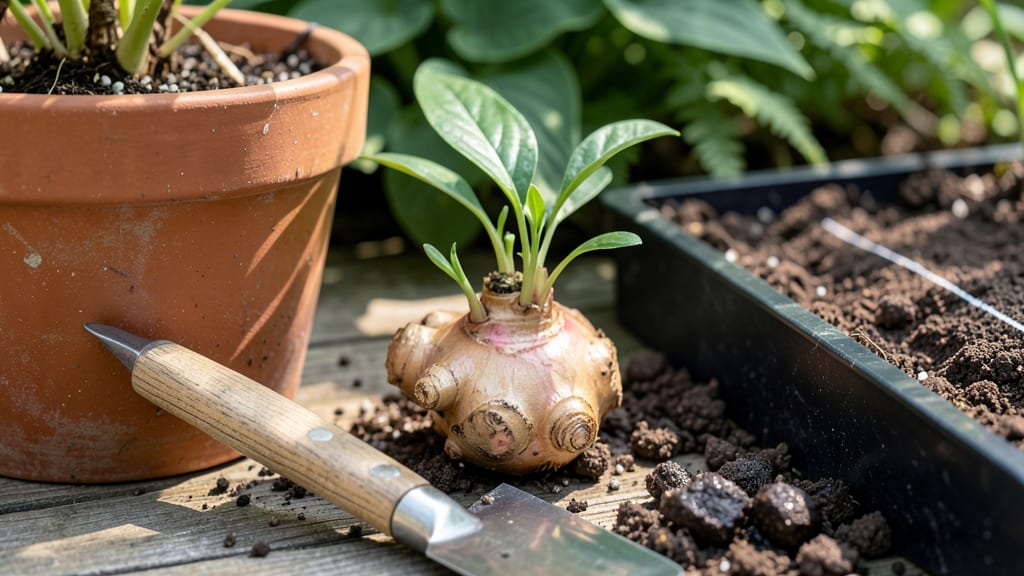
Timing your ginger planting in North Carolina could mean the difference between a bountiful harvest and wasted effort. Unlike other crops, ginger thrives only when soil temperatures stay consistently warm—something that’s tricky to nail down in NC’s 6b-8a zones where frost lingers unpredictably.
Most gardeners in the Tar Heel State plant their 🌿 ginger rhizomes between March and April, but that window shifts depending on whether you’re in the humid Coastal Plain or the drier Piedmont.
Get it wrong, and you risk stunted growth or worse—frost damage that kills your plants before they even sprout.
In this guide, I’ll break down exactly when to plant for your specific microclimate, plus pro tips for preparing soil and protecting young shoots. Whether you’re a first-timer or a seasoned grower, these strategies will help you avoid common pitfalls and maximize your harvest.
Ready to grow ginger like a local? Let’s dive into the secrets that keep NC gardens thriving year after year.
NC ginger planting calendar: best months by microclimate Zone
North Carolina’s three distinct microclimates—Coastal Plain, Piedmont, and Mountains—each demand customized ginger planting windows to avoid frost damage. The Coastal Plain (Zones 8a-8b) enjoys earlier last frost dates (mid-February to early March), while the Piedmont (Zones 7b-8a) typically waits until late March.
Mountain regions (Zones 6b-7a) face last frosts as late as April 15, requiring patience for safe planting.
Ginger rhizomes thrive in warm soil (65°F+ consistently), so timing aligns with soil temperature, not just air temperature. In Coastal NC, soil warms quickly after February 15, while Western NC may need to wait until mid-April.
Humidity also plays a role—Coastal areas benefit from spring rains, while drier Piedmont zones may need supplemental irrigation.
For zero-frost success, aim to plant 4-6 weeks after your area’s last frost date. This buffer ensures rhizomes establish roots before summer heat arrives. In Zone 8a (Coastal Plain), that’s March 1-15; in Zone 7a (Mountains), April 15-30 is ideal.
| Microclimate Zone | Last Frost Date | Ideal Planting Window | Soil Temp Goal | Key Consideration |
|---|---|---|---|---|
| Coastal Plain (Zones 8a-8b) | Feb 15 - Mar 1 | Mar 1 - Mar 15 | 65°F+ (consistent) | High humidity; monitor for fungal risks |
| Piedmont (Zones 7b-8a) | Mar 1 - Mar 15 | Mar 15 - Apr 1 | 65°F+ (consistent) | Moderate humidity; needs consistent moisture |
| Mountains (Zones 6b-7a) | Apr 1 - Apr 15 | Apr 15 - Apr 30 | 65°F+ (consistent) | Cooler nights; extend season with mulch |
If you’re in Zone 8a (Coastal NC), don’t wait past March 15—soil stays warm enough for ginger, but summer’s intense heat arrives quickly. For Piedmont growers, April 1 is your cutoff; planting later risks stunted rhizome growth before harvest season.
Mountain gardeners should prioritize soil warmth over calendar dates—wait until your soil thermometer reads 65°F for 3+ days.
Pro tip: Use black plastic mulch to warm soil faster in cooler zones. Lay it down 2-3 weeks before planting to create a microclimate that mimics Coastal NC’s natural conditions. This trick shaves 10-14 days off your planting timeline in Piedmont and Mountain regions.
For fall planting (a riskier but possible option in Zone 8a), aim for late August to early September. Rhizomes need 8-10 weeks to establish before first frost, so time it so harvest occurs before November 15. This works best in Coastal NC where winters are milder.
Regardless of zone, avoid planting ginger in May. While soil is warm, summer’s brutal heat stresses young plants, and harvest timing becomes unpredictable. Stick to spring planting for reliable yields, and save fall attempts for experienced growers in Zone 8a.
Remember: Ginger is a long-term crop—it takes 10-12 months to mature. Planting too late means smaller rhizomes or even no harvest before winter. When in doubt, plant early and use row covers for frost protection if needed.
🌱
How to test soil warmth before planting ginger in NC
Ginger rhizomes need consistent soil temperatures of 65°F or warmer to sprout successfully. In North Carolina’s variable spring climate, waiting for the right warmth is key—especially in cooler Piedmont and Mountain regions.
Planting too early in cold soil leads to rot, while waiting too long risks missed harvest windows. Here’s how to check your soil’s readiness before planting.
Use a soil thermometer (available for under $10) to measure 2-3 inches deep, where ginger roots will grow. Test temperatures at midday for 3-5 consecutive days—consistent readings of 65°F+ mean it’s safe to plant. Morning tests may show cooler temps, so always check midday for accuracy.
⚠️ CALLOUT WARNING
Ginger rhizomes planted in soil below 60°F will rot within 7-10 days. Even if air temps seem warm, soil warms slower, especially in shaded or clay-heavy areas. Test first!
DIY Fix: Use black plastic mulch 2 weeks before planting to raise soil temps by 5-10°F.
If your soil isn’t warm enough, try these NC-specific tricks:
- Raise beds with compost to warm faster (test temps 1 week earlier than ground soil).
- Plant near south-facing walls or under clear plastic tunnels to trap heat.
- Use straw mulch after planting to retain warmth.
For Coastal Plain growers, soil may warm by late February, while Mountain regions often wait until mid-April. Check local NC State Extension frost maps for your exact zone—timing varies 100+ miles across the state.
Once soil hits 65°F+, plant 2-inch-deep rhizomes with buds facing up and 4 inches apart. Water deeply to settle soil and keep moist (not soggy) until sprouts appear in 2-4 weeks.
Pro tip: Plant test rhizomes 1-2 weeks early in a small pot to gauge soil readiness. If they sprout, your garden’s soil is ready!