
Flowers
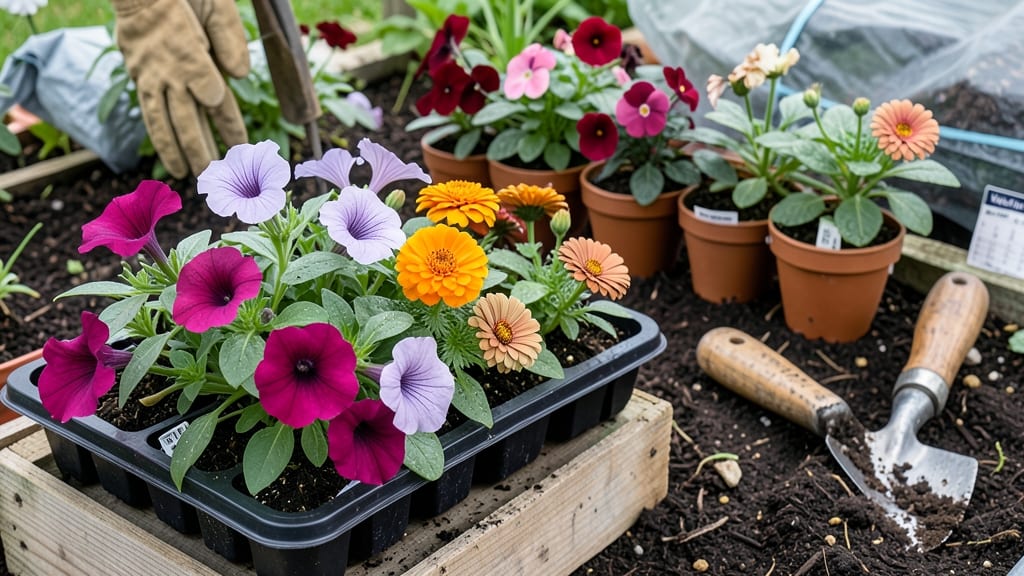
Knowing when it is safe to plant flowers in Ohio is the difference between a garden bursting with color and one left vulnerable to frost. Planting too early can turn vibrant 🌸 flowers into frost casualties, while waiting too long might mean missing the best blooming season.
The exact last frost date for your zone is the game-changer between a thriving garden and a disappointing one.
Ohio’s 6a zone typically sees its last frost around April 15, but that date can shift dramatically depending on whether you're in urban Columbus or rural Appalachia. Understanding these nuances is the key to timing your flower planting perfectly for maximum growth and color.
I’ll walk you through the safe planting windows for annuals, perennials, and bulbs—plus pro tips to extend your season without risking frost damage. Whether you’re a first-time gardener or a seasoned green thumb, these insights will help you avoid common mistakes and get the most out of your Ohio garden.
From cold-hardy varieties to soil prep secrets, you’ll discover everything you need to know to plant with confidence. Let’s get those 🌸 flowers growing strong and blooming bright!
Ohio last frost dates by zone: exact timelines for safe flower planting
Ohio’s diverse climate means frost dates can vary dramatically from north to south. The Ohio State University Extension tracks average last frost dates across the state, but your exact timing depends on your USDA hardiness zone (5A-6B) and local microclimates.
In Zone 5A (northwest Ohio), the last frost typically hits April 25-30, while Zone 6B (southwest Ohio) often sees frost-free soil by April 10-15. These dates shift 7-10 days earlier in urban areas due to the "heat island effect."
For precision planting, I recommend using the USDA Interactive Plant Hardiness Map to confirm your zone. Then, add 2-3 weeks of buffer time after the average last frost date—this accounts for unpredictable late frosts.
For example, if your zone’s average is April 20, wait until May 5 for frost-sensitive flowers like petunias or geraniums.
🌱Pro Tip: Check the National Weather Service’s 10-day forecast for your county. If they predict below 32°F within 5 days of planting, delay your schedule by another week.
| Zone | Avg. Last Frost | Safe Planting Window | Soil Temp. Threshold |
|---|---|---|---|
| 5A (Northeast) | April 25-30 | May 10-15 | 50°F (10°C) |
| 5B (Central) | April 15-20 | May 1-5 | 50°F (10°C) |
| 6A (Southwest) | April 10-15 | April 25-May 1 | 50°F (10°C) |
| 6B (Extreme SW) | March 30-April 5 | April 15-20 | 50°F (10°C) |
Microclimates play a huge role in Ohio. Urban gardens in cities like Columbus or Cleveland may warm up 3-5 days earlier than rural areas due to concrete and buildings retaining heat.
Conversely, valleys and low-lying areas (like parts of Appalachian Ohio) often experience later frosts. To adjust, plant cold-hardy flowers like pansies or snapdragons 2-3 weeks earlier in these zones.
Another critical factor is soil temperature. Most flowers won’t thrive until the soil reaches at least 50°F (10°C). In cooler zones like 5A, this can mean waiting until late May for heat-loving annuals like marigolds or zinnias.
I always test soil temperature with a digital thermometer—it’s the most accurate way to avoid false starts.
💧Watering Hack: If you’re eager to plant but soil temps are still low, mulch heavily with straw or shredded leaves to insulate roots and speed up warming.
For perennials and bulbs, you can often plant as early as March in Ohio, but annuals and tender perennials (like lavender) need that frost-free window.
I’ve seen gardeners in Zone 6B plant cosmos seeds as early as March 15 under row covers, but they’re still at risk until after the last frost.
🌿Ohio-Specific Tip: The Ohio Department of Natural Resources provides local frost data—check their week
Pro tips to extend your Ohio flower planting season without risking frost damage
Ohio’s unpredictable spring weather can turn your flower planting into a gamble—one day’s frost can undo weeks of prep work. But with the right strategies, you can safely extend your planting season by 2-4 weeks without risking frost damage to delicate blooms.
The secret lies in understanding cold-hardy varieties, protective tools, and soil temperature cues.
Start by choosing early-season flowers like pansies or sweet peas, which tolerate light frosts down to 20°F. These tough bloomers can often be planted 4-6 weeks before your average last frost date, giving you a head start.
Pair them with row covers or cloches for extra insulation on chilly nights.
Soil temperature is more critical than air temperature. Wait until the soil reaches at least 50°F at a 4-inch depth—this ensures roots can establish before stress sets in.
For tender annuals like marigolds or geraniums, wait until the nighttime temperature consistently stays above 50°F for 5-7 days. If you’re eager to plant earlier, use black plastic mulch to warm the soil 5-10°F faster than bare ground.
This trick is especially useful in urban areas, where concrete absorbs heat and can create microclimates.
Don’t overlook season extenders like cold frames or low tunnels. These simple structures can push your planting window back by 3-4 weeks in early spring and delay fall planting by 2-3 weeks.
Just ensure they have ventilation to prevent overheating during the day. For container gardens, move pots closer to south-facing walls or under patio heaters on frost-prone nights.
Avoid these common timing mistakes: planting warm-season flowers like zinnias before Memorial Day, assuming your local nursery’s advice without checking your exact zone, or ignoring microclimates (e.g., valleys frost later than hilltops). Always cross-reference your USDA zone with Ohio’s historical frost data—your neighbor’s garden might not match yours!
Pro tip: Mark your calendar for Mother’s Day weekend (mid-May) as a safe bet for most Ohio zones. By then, the risk of frost drops below 10%, and your flowers will have 8-10 weeks of growing season ahead before fall’s first frost. Happy planting! 🌸