
Plants
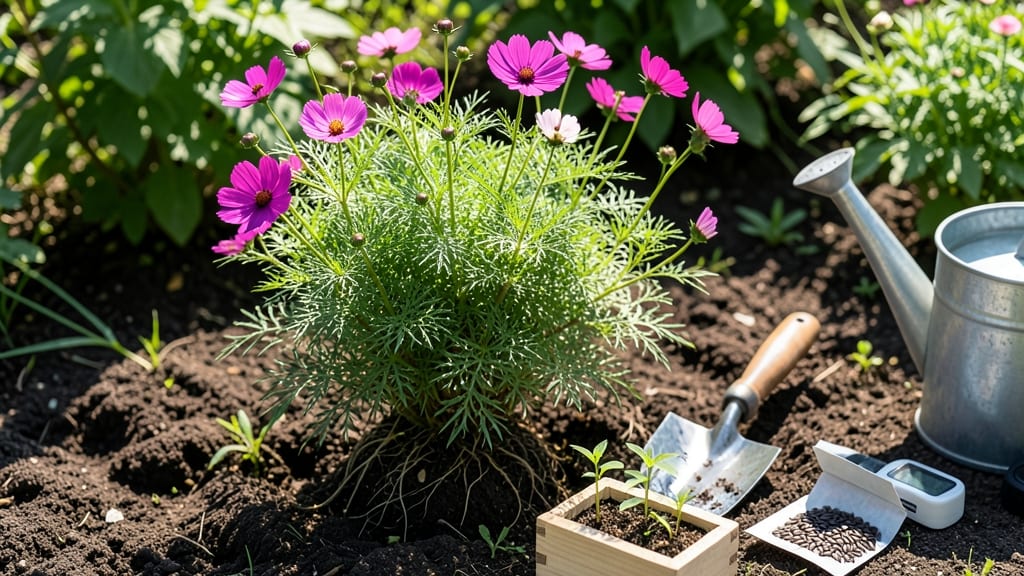
Planting cosmos seeds at the right time in Zone 7 can mean the difference between a garden bursting with nonstop color from summer through fall and a season of disappointment.
These cheerful 🌸 flowers are easy to grow, but timing is everything—especially when you want them to thrive in your specific climate.
Most gardeners in Zone 7 make the mistake of waiting too late in spring, only to watch their cosmos struggle with heat or bolt too quickly. The secret? Start seeds indoors or sow them directly after your last frost date—typically around mid-April—when soil temperatures hit at least 60°F.
This ensures strong, healthy plants ready to bloom just as summer kicks in.
But here’s the game-changer: for continuous blooms all season, don’t stop there. Stagger your plantings every 3–4 weeks through late summer. This simple trick keeps your garden vibrant well into fall, even as temperatures dip.
Whether you’re a beginner or a seasoned gardener, these tips will help you grow cosmos that outperform expectations.
Ready to transform your garden into a floral paradise? Let’s dive into the exact planting schedule, soil prep, and companion plants that will make your cosmos the star of the show—without the guesswork.
Best planting times for cosmos seeds in Zone 7: direct sowing vs transplants
Cosmos seeds thrive in Zone 7 with the right timing, and understanding the difference between direct sowing and transplanting is key to success. Since cosmos are annuals in this zone, they’ll die back with frost, so planning your planting schedule ensures continuous blooms from summer through fall.
In Zone 7, the last average frost date is around April 15, and the first frost typically arrives by November 15. This gives you a 190-day frost-free period, perfect for two planting windows: early spring and late summer.
Let’s break down the best times for each method.
🌱 Comparison Table: Direct Sowing vs Transplants for Cosmos in Zone 7
| Method | Best Planting Window | Soil Temperature | Frost Risk | Bloom Timeline |
|---|---|---|---|---|
| Direct Sowing | April 15–May 15 (spring) or August 1–September 1 (fall) | 60°F+ (15°C+) | Low (after last frost) | 60–75 days after sowing |
| Transplants | April 1–May 10 (spring) or July 15–August 1 (fall) | 55°F+ (13°C+) | Low (hardened seedlings) | 50–60 days after transplanting |
🌿 Note: For fall planting, aim to sow seeds 8–10 weeks before the first frost to ensure blooms before cold sets in.
For direct sowing, wait until the soil temperature consistently reaches 60°F (15°C)—this usually aligns with late April to mid-May in Zone 7. Cosmos seeds germinate quickly in warm soil, often sprouting within 5–10 days if kept moist.
If you’re sowing in fall, target early August to give seedlings enough time to mature before frost.
If you’re using transplants, start seeds indoors 4–6 weeks before your last frost date. In Zone 7, this means sowing indoors by early March.
Harden off seedlings for 7–10 days before transplanting outdoors after the last frost. For fall transplants, start seeds indoors in late June to transplant by mid-July.
One of my favorite tricks for nonstop blooms is to stagger plantings every 3–4 weeks from spring through early summer. This ensures that as one batch finishes blooming, another takes over.
For example, sow a batch in mid-April, another in late May, and a final one in early July—this keeps your garden in color from June through October.
Cosmos are drought-tolerant once established, but they need consistent moisture during germination and early growth. Water seeds lightly every 2–3 days until sprouts appear, then reduce to 1 inch per week once seedlings are 2 inches tall.
Mulching around plants helps retain moisture and keeps roots cool during Zone 7’s hot summers.
When planting, choose a spot with full sun (6+ hours daily) and well-draining soil. Cosmos thrive in average garden soil but benefit from a light application of compost before planting.
Avoid heavy clay soils, which can lead to root rot or stunted growth. If your soil is dense, mix in sand or perlite to improve drainage.
Finally, don’t forget that cosmos are self-seeding annuals, meaning they’ll often reseed themselves in your garden. If you love their easy-going nature, let a few plants go to seed at the end of the season—they’ll pop up on their own next year!
Just thin them in early spring to avoid overcrowding.
Best planting times for cosmos seeds in Zone 7: direct sowing vs transplants
Timing is everything when planting cosmos seeds in Zone 7, where warm springs and mild falls create perfect conditions for their 60-90 day growth cycle.
Unlike some finicky flowers, cosmos thrive when sown directly into the garden, but knowing the ideal soil temperature and frost dates ensures you don’t miss a beat.
In Zone 7, the last frost date typically falls around April 15, but soil temperatures need to reach at least 60°F (15°C) before planting. This usually aligns with mid-April to early May for spring plantings.
For a fall display, you can even sow seeds in late summer (August)—they’ll bloom before the first frost hits around November 15.
| Method | Best Time | Soil Temp | Notes |
|---|---|---|---|
| Direct Sowing | Mid-April to early May | 60°F+ (15°C+) | Fastest germination, no transplant shock |
| Transplants | Late April to early June | 55°F+ (13°C+) | Use for succession planting |
| Fall Sowing | Late July to August | 65°F+ (18°C+) | Extend blooms into fall |
For direct sowing, scatter seeds ¼ inch deep in well-draining soil and keep them moist until germination, which typically occurs in 7-14 days. If you opt for transplants, harden them off for 7-10 days before setting them out to avoid shock from Zone 7’s variable spring weather.
Pro tip: Use black plastic mulch to warm the soil faster in early spring plantings. This trick helps you start sowing 2-3 weeks earlier than the average last frost date, giving your cosmos a head start on the summer blooming season.
Remember, cosmos are annuals in Zone 7, so they’ll self-seed prolifically if left undisturbed. This means you can enjoy wildflower-like displays year after year with minimal effort—just let a few plants go to seed at the end of the season!
If you’re aiming for nonstop color, plan to sow seeds in two batches: once in early spring and again in late summer. This ensures your garden stays vibrant from June through October without gaps.