
Flowers
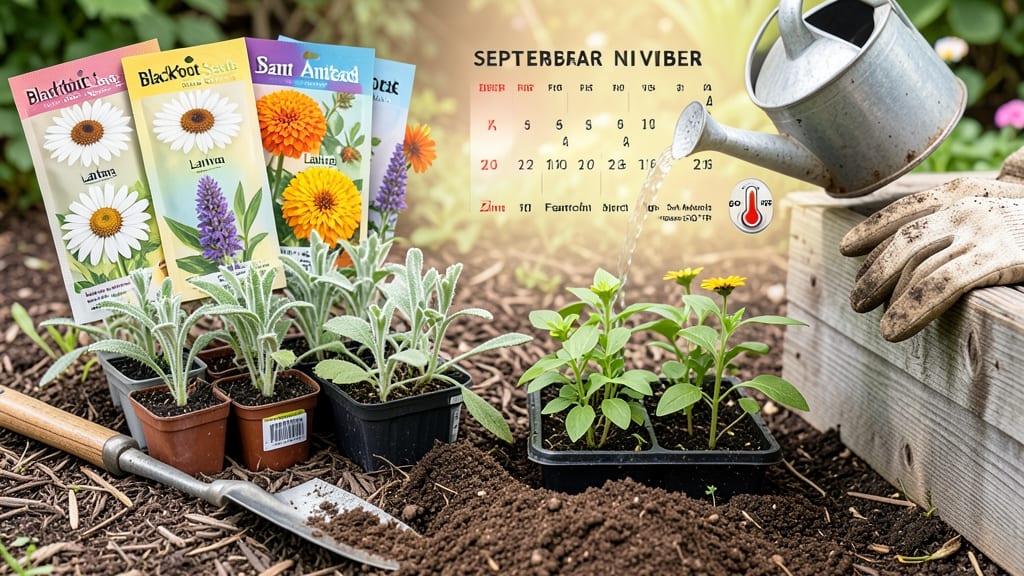
Timing when to plant flowers in San Antonio just right can mean the difference between a vibrant garden and a sad, wilted disappointment. With 90°F+ summers and rare winter freezes, knowing when to plant is the key to success—especially in USDA Zone 8a.
Most gardeners here make the mistake of planting too early or too late, risking heat stress or frost damage. But the secret to year-round blooms lies in understanding San Antonio’s unique climate—where fall and winter are your best friends for planting.
In this guide, I’ll break down the exact months to plant annuals, perennials, and seasonal flowers, plus how to adjust for urban heat islands and microclimates. Whether you’re a beginner or a seasoned gardener, these tips will help you avoid common pitfalls and keep your garden thriving.
Ready to transform your yard into a colorful oasis? Let’s dive into the perfect planting schedule for San Antonio’s heat and humidity.
San Antonio’s best flower planting months by season: a heat-zone guide
San Antonio’s USDA Zone 8b climate demands precise timing to avoid heat stress or frost damage. While many gardeners focus on spring, the best planting window here is actually fall and winter, when temperatures are mild and soil stays moist longer.
This strategy helps flowers establish strong roots before summer’s brutal heat arrives.
Summer planting is risky—90°F+ temperatures can shock young plants, leading to wilting or death within days. Instead, prioritize heat-tolerant annuals like Lantana or Zinnias for late-summer transplants, but only after June 15 when soil temps drop slightly. For perennials, September through November is ideal for root development.
Winter planting (December–February) works surprisingly well for cold-hardy flowers like Pansies and Sweet Alyssum. These thrive in San Antonio’s mild winters (rarely below 25°F) and bloom early. Just avoid planting near January’s occasional frost—stick to December or February for safety.
Spring planting (March–April) is limited to cool-season crops like Calendulas or Sweet Peas, which must be in the ground by mid-March to avoid summer heat. Overheating soil can kill seedlings before they sprout, so use shade cloth or wait until soil temps drop below 80°F.
| Season | Best Planting Months | Flowers to Plant | Key Tip |
|---|---|---|---|
| Fall | September–November | Perennials, Bulbs, Pansies | Soil stays moist; roots establish before summer. |
| Winter | December–February | Pansies, Sweet Alyssum, Snapdragons | Avoid frost dates; use mulch for protection. |
| Spring | March–April (early) | Calendulas, Sweet Peas, Marigolds | Plant before soil hits 80°F; use shade cloth. |
| Summer | June–July (late) | Lantana, Zinnias, Portulaca | Wait until after June 15; water deeply daily. |
San Antonio’s alkaline soil (pH 7.5–8.5) can stunt flower growth if not amended. Before planting, mix in compost or peat moss to lower pH slightly. For containers, use a well-draining potting mix with perlite to prevent root rot—a common issue in our heavy clay soils.
Urban heat islands (like downtown) can raise temperatures by 5–10°F compared to suburban areas. If you’re in a hot microclimate, opt for heat-tolerant varieties like Mexican Sunflower or Blackfoot Daisy, which thrive in 100°F+ heat. Always check plant tags for heat tolerance ratings.
Mulching is non-negotiable in San Antonio. Apply 2–3 inches of mulch (like pine bark or straw) to retain moisture and regulate soil temperature. This is especially critical in summer, when mulch can reduce watering needs by 30–50%.
Just keep mulch 6 inches away from stems to avoid rot.
Finally, monitor local weather forecasts for unexpected cold snaps (even in winter). If frost is predicted, cover tender plants with frost cloth or move potted flowers to a sheltered spot. A little extra care ensures your garden stays vibrant year-round, even in San Antonio’s unpredictable climate.
With these seasonal guidelines, you’ll avoid the most common mistakes—like planting too early in spring or skipping fall prep—and enjoy continuous blooms from winter Pansies to summer Lantana. Happy planting! 🌸
Top 5 flowers to plant in San Antonio by season (with planting deadlines)
San Antonio’s climate rewards gardeners who choose the right flowers for each season. The last planting deadlines are critical—miss them, and your blooms may struggle with heat stress or frost damage. I’ve picked five standout varieties that thrive here, with exact dates to get them in the ground.
For summer-blooming stars, focus on heat-tolerant annuals like Lantana and Zinnias. These handle 90°F+ temps with ease, but planting must wrap up by April 15 to avoid transplant shock during peak heat. I’ve seen Lantana still flowering beautifully in July when planted early!
Winter brings cooler temps, making Pansies and Snapdragons perfect choices. These cold-hardy annuals can handle light frosts, but aim to plant them by November 15. My Northside garden stays cooler, so I often plant these a week earlier than Southside neighbors to beat potential early freezes.
Summer Bloomer | Last Planting: April 15
Why? Thrives in full sun and drought conditions. Deadhead spent blooms to encourage non-stop color from June to October.
Pro Tip: Mix with Blackfoot Daisy for a low-water pollinator magnet.
Winter Bloomer | Last Planting: November 15
Why? Handles 30°F temps and blooms until spring. Choose deep purple/blue varieties for urban heat island resilience.
Pro Tip: Add compost to alkaline San Antonio soil for vibrant colors.
Summer/Fall Bloomer | Last Planting: May 1 or September 1
Why? Disease-resistant and attracts butterflies. The Benary’s Giant variety reaches 2 feet tall—perfect for cut flower arrangements.
Pro Tip: Plant in raised beds to improve drainage in clay-heavy soil.
Spring/Fall Bloomer | Last Planting: March 15 or October 1
Why? Drought-tolerant perennial with hummingbird magnet blooms. Autumn Sage varieties handle 100°F+ temps better than most.
Pro Tip: Prune back by 1/3 in early spring to encourage bushier growth.
Year-Round (Annual) | Last Planting: February 15 or September 1
Why? Pest-repellent and heat-loving. French Marigolds bloom non-stop from March to November with minimal care.
Pro Tip: Interplant with vegetables to deter aphids and nematodes.
Timing matters just as much as soil prep. For example, I always amend San Antonio’s clay soil with compost and gypsum before planting perennials like Salvia. The gypsum helps break up compaction, while compost adds organic matter to hold moisture during summer droughts.
Don’t forget: Container gardening extends your planting window. I’ve successfully grown Pansies in pots on my balcony through December freezes by moving them to sheltered spots during cold snaps. Just ensure containers have drainage holes to prevent root rot in our humid summers.
Protect your investments by checking the 10-day forecast before planting. If 30°F temps are predicted within a week, delay tender annuals until after the cold front passes. My Southside garden gets hit harder by late freezes, so I wait until February 15 for heat-loving flowers like Petunias.