
Plants
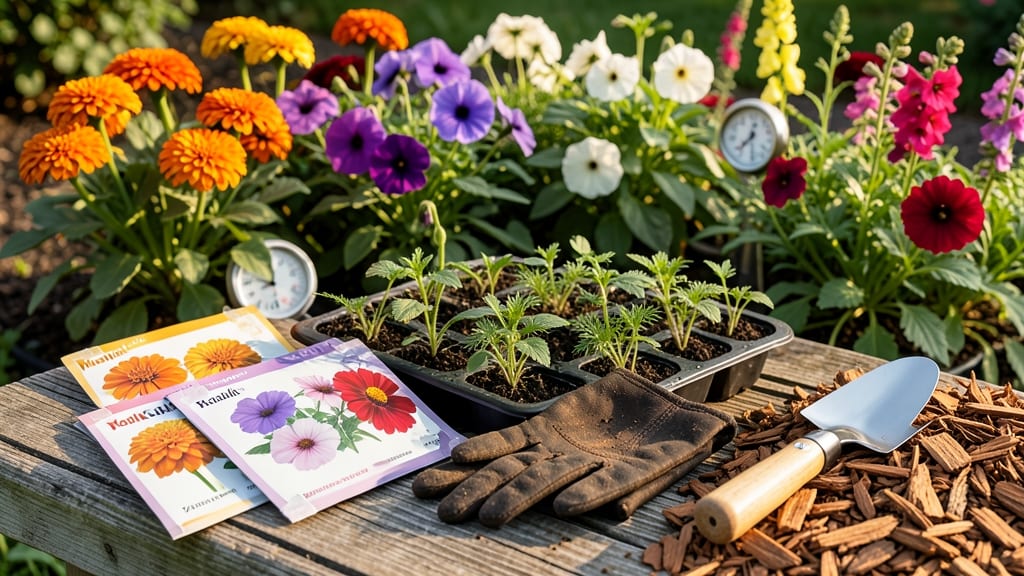
Planting annuals 🌸 in Michigan at the wrong time can mean the difference between a showstopping garden and a sad, frost-nipped disappointment.
The secret to vibrant blooms and bountiful harvests isn’t just luck—it’s knowing when to put those seeds in the ground so they thrive in your 5-6 USDA zone climate.
Most gardeners in Michigan wait until after the last frost date—typically around April 15 in the Lower Peninsula—but timing varies by region. Whether you’re in Detroit or the Upper Peninsula, soil temperature matters just as much as calendar dates.
I’ll show you exactly when to start planting for zero-fail results, plus how to extend your growing season for fall blooms.
From heat-loving marigolds to cold-tolerant petunias, each annual has its own ideal window. You’ll learn how to read frost forecasts, prep your soil, and even protect young plants from late surprises. Let’s make sure your garden doesn’t miss a single bloom—no matter what Mother Nature throws your way.
Ready to turn your Michigan yard into a year-round paradise? The first step is getting those annuals in the ground at the perfect moment. Here’s how to nail it every time.
Michigan’s frost dates & soil temperature guide for annual planting
Michigan’s frost dates and soil temperatures are the #1 factors for successful annual planting. The Upper Peninsula typically sees its last frost around May 15, while the Lower Peninsula averages April 15 to May 1.
These dates shift yearly, so always check USDA Plant Hardiness Zone maps (Michigan spans Zones 4-6) and local weather forecasts.
Most annuals thrive when soil temps hit 50-60°F. Use a soil thermometer to verify—cool soil delays germination. Cold-sensitive plants like begonias and impatiens need warmer soil (60°F+), while marigolds and zinnias tolerate cooler 50°F soils. Michigan State University’s Garden Hotline provides real-time soil data for your county.
Pro tip: Hardening off seedlings for 7-10 days before transplanting boosts survival rates. Start this process when nighttime temps stay above 40°F consistently. For fall planting, begin 8-10 weeks before first frost (usually October 15 in most areas).
🌱
Heat-tolerant annuals like vinca and portulaca can handle Michigan’s summer heatwaves (often exceeding 90°F), while coleus and caladiums prefer partial shade during peak sun. For vegetable annuals, warm-season crops (e.g., tomatoes, peppers) need soil temps above 60°F—wait until late May in most areas.
Urban gardeners in Detroit or Grand Rapids often experience microclimates with warmer pockets. Test your soil’s drainage by digging a hole—if water pools after 6 hours, amend with compost or sand. Michigan’s clay-heavy soils benefit from raised beds, which warm up faster in spring.
Always monitor local weather alerts—late spring frosts (like the 2018 April freeze) can devastate early plantings. If frost threatens, cover tender plants with frost cloth or old blankets secured with bricks. For fall-blooming annuals, start seeds indoors in July to ensure they mature before frost.
🌡️
Best annuals to plant by month in Michigan (with success tips)
Michigan’s growing season is short but sweet—timing your annuals by month maximizes blooms and harvests. May is prime for heat-loving favorites like petunias and marigolds, while July lets you sow fast-growing zinnias for late-season color.
Let’s break down the best annuals to plant each month and how to keep them thriving.
Start with cold-hardy annuals like pansies and snapdragons in late April (after frost risk passes). These tough plants handle 50°F soil temps and even light frosts. For vegetable annuals, bush beans and radishes love cool spring soil—plant them by May 1 for summer harvests.
🌱 Michigan Annual Planting Calendar
- April (Late): Pansies, Snapdragons, Lettuce, Spinach
- May: Petunias, Marigolds, Zinnias, Basil, Tomatoes
- June: Sunflowers, Vinca, Portulaca, Cucumbers
- July: Cosmos, Nasturtiums, Second Planting of Beans
- August: Fall Bloomers (Asters, Chrysanthemums)
For succession planting, stagger sowings every 2-3 weeks in May and June. Zinnias and bush beans respond well—plant one batch, then another when the first shows signs of flower fatigue or bolting. This ensures continuous blooms or harvests until frost.
Michigan’s USDA Zones 5-6 mean late-season heat can stress annuals. Choose heat-tolerant varieties like Lantana or Portulaca for July plantings—they thrive in 90°F+ temps and drought-like conditions. Pair them with shade-loving annuals like impatiens under trees for balanced garden zones.
Don’t overlook fall annuals! Plant asters and mums by August 1 for September-October color. These cool-season stars handle fall frosts better than spring-planted annuals. Use row covers if temps dip below 40°F to extend their season.
Pro tip: Mark your calendar for Michigan’s first frost (usually mid-October) and plan 8-10 weeks beforehand for fall annuals. This gives them time to root and bloom before winter sets in. Happy planting! 🌻