
Plants
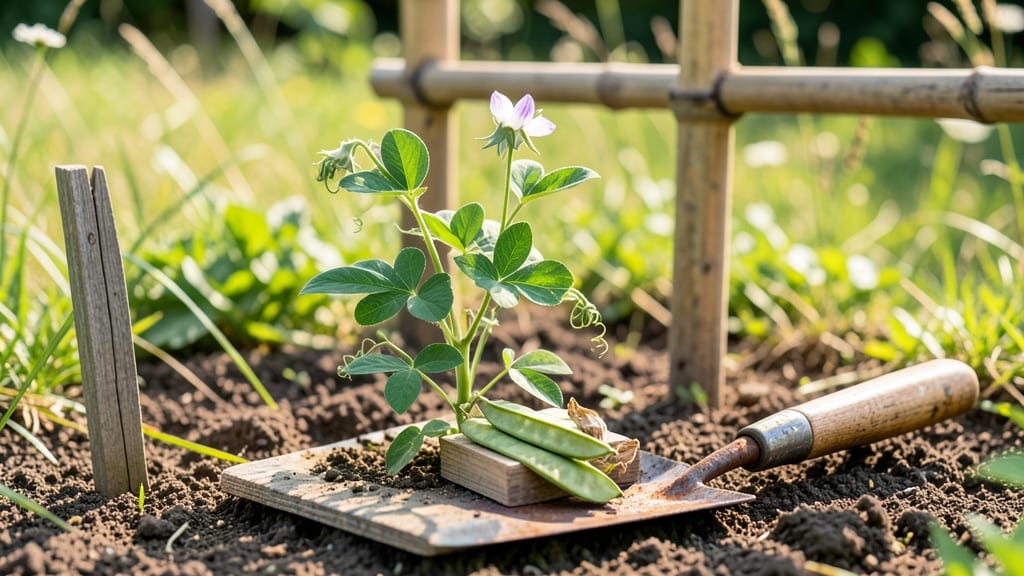
To grow sweet, crisp English peas by knowing when to plant English peas in Zone 8, timing is everything—and getting it wrong means sad, bitter peas (or none at all).
The key lies in planting during those narrow cool-season windows when temperatures hover between 40°F and 70°F, letting your peas thrive before summer’s heat sends them into a panic.
Most gardeners in Zone 8 swear by two planting windows: late winter to early spring (February–March) and fall (September–October). But here’s the catch: planting too early in fall risks bolting, while spring planting must happen 4–6 weeks before your last frost date—usually by mid-February—to avoid heat stress.
I’ll break down exactly when to start seeds, how to adjust for microclimates, and which varieties hold up best in Zone 8’s tricky transitions.
You’ll also discover how to stretch your harvest with succession planting and cold protection tricks, so you’re enjoying fresh peas from November through June. No more guessing—just foolproof timing for the most productive pea patch in your garden.
Ready to ditch the trial-and-error? Let’s get your English peas in the ground at the perfect moment for zero-bolt, zero-stress success.
Best planting dates for English peas in Zone 8 (avoid bolting & heat stress)
In Zone 8, English peas thrive in cool weather but struggle when temperatures climb above 75°F. The key is planting during two distinct windows: late winter/early spring and fall.
These timings ensure your peas mature before summer’s heat triggers bolting—when plants rush to flower and produce bitter pods.
For spring planting, aim for 4-6 weeks before your last frost date (typically mid-February to early March in Zone 8). This gives seedlings time to establish roots before soil warms. If you plant too early, peas may germinate slowly in cold soil, leaving them vulnerable to rot or pests.
Fall planting offers a second harvest opportunity. Sow seeds 8-10 weeks before your first frost (usually late September to early October). This timing lets peas mature before winter chill sets in. Avoid planting too late—peas need 60-70 days to harvest, and cold soil can stall growth.
🌱 Pro Tip: Check your local frost dates using the USDA Plant Hardiness Zone Map or a microclimate calculator. Coastal areas in Zone 8 may have later frost dates than inland regions, so adjust accordingly.
| Planting Window | Ideal Months | Soil Temp | Key Considerations |
|---|---|---|---|
| Spring Planting | February–March | 45–60°F | Plant 4–6 weeks before last frost; avoid soggy soil. |
| Fall Planting | September–October | 50–65°F | Sow 8–10 weeks before first frost; use cold-hardy varieties. |
| Avoid Planting | April–May | Above 75°F | Peas bolt or fail to thrive in summer heat. |
Soil temperature is just as critical as air temperature. Peas germinate best in soil between 45–60°F. Use a soil thermometer to confirm readiness—cold soil delays germination, while warm soil (above 70°F) can cause seed rot. In Zone 8, spring soil warms quickly, so act fast once temperatures stabilize.
Prepare your soil by amending it with compost or aged manure to improve drainage and fertility. Peas are nitrogen-fixing, meaning they add nutrients to the soil, but they still benefit from a balanced fertilizer (5-10-10) at planting time. Avoid over-fertilizing with nitrogen, as it promotes leafy growth over pods.
For container growing, use deep pots (at least 12 inches deep) with well-draining soil. Containers warm up faster than in-ground beds, so monitor soil moisture closely. Place pots in a protected spot (like a patio with afternoon shade) to shield peas from afternoon heat.
If you’re unsure about your local frost dates, rely on historical weather data from your county’s agricultural extension office. For example, Los Angeles (Zone 10) has later frost dates than Phoenix (Zone 9), even though both are in Zone 8’s general range. Microclimates matter!
Once planted, keep soil consistently moist but not waterlogged. Peas need 1 inch of water per week, delivered in the morning to prevent fungal diseases. Mulch with straw to retain moisture and suppress weeds, which compete for nutrients.
With the right timing, you’ll enjoy crisp, sweet peas from spring into fall. Start with bolt-resistant varieties like ‘Sugar Snap’ or ‘Wando’ for Zone 8’s variable climate. Happy planting!
How to extend your pea harvest in Zone 8: succession planting & cold protection
Zone 8’s mild winters and hot summers create a unique opportunity to harvest English peas twice a year—but only if you plan strategically. The key is succession planting and cold protection to shield tender seedlings from unexpected chills or heat spikes.
By staggering plantings and using simple row covers, you can push your harvest window by 4-6 weeks in both spring and fall.
Start with your fall planting in early September, when soil temperatures drop below 75°F (24°C). This gives peas time to establish roots before winter, while avoiding the summer heat that triggers bolting.
Use black plastic mulch to warm the soil slightly and prevent weeds, then cover young plants with frost cloth if temperatures dip below 32°F (0°C).
Step-by-Step Guide to Extending Your Pea Harvest
-
Step 1: Fall Planting (Early September)
Sow seeds 4-6 weeks before first frost (typically mid-September in Zone 8). Choose bolt-resistant varieties like 'Sugar Snap' or 'Oregon Sugar Pod'.
-
Step 2: Cold Protection
Apply row covers or straw mulch 2-3 inches deep to insulate roots. Remove covers during the day if temperatures rise above 50°F (10°C).
-
Step 3: Spring Succession Planting (February-March)
Sow new seeds every 2-3 weeks starting 6 weeks before last frost. Use shade cloth (30-50%) if planting in late March to protect from heat stress.
-
Step 4: Heat Tolerance Hacks
For late spring plantings, choose heat-tolerant varieties like 'Tom Thumb' or 'Green Arrow'. Water deeply in the early morning to reduce stress.
-
Step 5: Harvest Management
Pick peas every 2-3 days to encourage continuous production. Stop harvesting when pods turn yellow or peas inside shrink.
Don’t overlook microclimates in your garden. Areas near walls or under trees may stay cooler by 5-10°F (3-6°C), allowing you to plant 2-3 weeks later than the general guideline. Test your soil temperature with a soil thermometer—peas thrive when soil is between 45-75°F (7-24°C).
For container growers, use 5-gallon pots with a fast-draining mix (60% compost, 30% potting soil, 10% perlite). Place pots in partial shade during summer to prevent bolting. Remember, English peas are cool-season crops, so they’ll sulk if exposed to consistent temperatures above 80°F (27°C) for more than a week.
Pro tip: Pair peas with radishes or lettuce in the same bed. Radishes mature quickly and mark the spot where peas can follow, while lettuce thrives in the same cool conditions. This interplanting strategy maximizes your garden space and extends both harvests.