
Plants
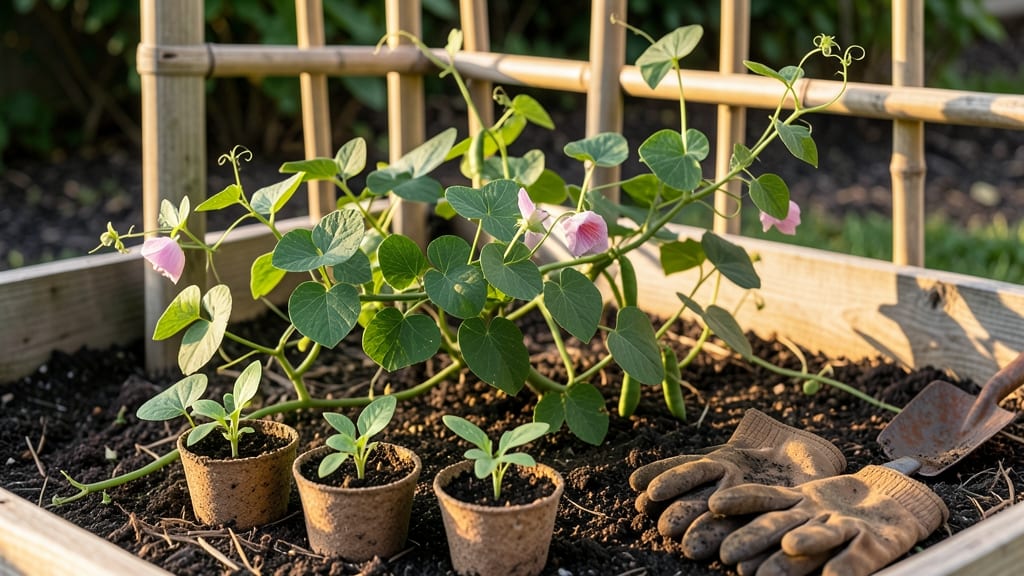
Planting Dixie Lee peas at the right time in North Carolina makes all the difference between a bountiful harvest and struggling seedlings. With Zone 7b's unpredictable spring weather, knowing when to put those seeds in the ground ensures your 🌱 vines thrive from the start.
Most gardeners in NC aim for early spring planting between February and April, but timing is everything—too soon and frost will nip them, too late and you miss peak production.
I’ll break down the ideal frost-free windows and how to adjust for your specific corner of the state, whether you’re in Raleigh or Asheville.
Don’t overlook the fall planting window either! August through September gives you a second chance at fresh peas before winter sets in. We’ll cover soil temperature tricks and companion planting tips to maximize your yield, so you’re never left wondering why your peas underperformed.
Ready to grow Dixie Lee peas like a pro? Let’s dive into the exact planting schedule that works for NC’s climate—no guesswork, just guaranteed success.
NC Zone 7b frost dates for Dixie Lee peas: planting windows explained
North Carolina’s Zone 7b climate creates a perfect window for growing Dixie Lee peas, but timing matters. The average last spring frost in cities like Raleigh, Greensboro, and Winston-Salem typically falls between March 15 and April 1.
Planting too early risks frost damage, while waiting too late can delay harvests. Let’s break down the ideal planting schedule for both spring and fall crops.
For spring planting, aim to sow seeds 2-3 weeks before your local last frost date. In most of NC’s Zone 7b, this means early March in southern regions (like Fayetteville) to mid-March in northern areas (like Asheville).
Dixie Lee peas are cold-hardy but prefer soil temperatures above 40°F (4°C) for optimal germination.
If you miss the spring window, don’t worry—fall planting is also possible! Start seeds 80-90 days before the first frost (usually mid-October for a November harvest). This gives your peas enough time to mature before cool autumn temperatures slow growth.
Here’s a quick reference for NC Zone 7b frost dates and planting windows:
| Planting Season | Ideal Planting Window | Last Frost Date | Harvest Window |
|---|---|---|---|
| Spring | Early March – Mid-April | March 15 – April 15 | May – June |
| Fall | Mid-August – Early September | November 15 | October – November |
For continuous harvests, consider succession planting every 2 weeks in spring. Start with a small batch in early March, then add more seeds until mid-April. This ensures you have fresh Dixie Lee peas from May through June, just in time for summer meals.
In fall, focus on planting by early September to avoid late-season heat stress. Dixie Lee peas prefer cooler temperatures (60-70°F), so planting too late can lead to bitter pods or stunted growth. Aim for a harvest before October’s heat wave hits.
Remember, soil temperature is just as critical as air temperature. Use a soil thermometer to confirm your garden bed is above 40°F (4°C) before planting. If your soil is still too cold, try black plastic mulch or a cold frame to warm it up faster.
Local pest risks like pea weevils and aphids can also affect timing. Planting in early spring (before pests peak) or using row covers can help protect your crop. Always monitor your plants for signs of chewed leaves or sticky residue.
With these Zone 7b frost dates in mind, you’ll be well on your way to a bountiful Dixie Lee pea harvest—whether you’re growing for fresh eating, freezing, or canning. Happy planting! 🌱
NC Zone 7b frost dates for Dixie Lee peas: planting windows explained
North Carolina’s Zone 7b climate offers two prime windows for planting Dixie Lee peas: early spring and late summer. The key is avoiding frost—peas are frost-sensitive and won’t survive temperatures below 28°F.
In Raleigh, Greensboro, and Winston-Salem, the average last frost date falls around March 15, while the first frost typically arrives by November 15. Timing your plantings around these dates maximizes your harvest potential.
For spring plantings, start seeds indoors 4-6 weeks before your last frost date or sow directly outdoors 2-3 weeks before. This gives young plants enough time to establish roots before warmer weather arrives.
In NC, that means late February to early April is ideal. If you miss this window, don’t worry—fall plantings in August to early September can yield another harvest before frost sets in.
| Planting Window | Action | Notes |
|---|---|---|
| Late February | Start seeds indoors | 4-6 weeks before last frost |
| Early April | Direct sow outdoors | 2-3 weeks before last frost |
| August | Direct sow for fall harvest | 90-100 days before first frost |
| Early September | Last chance for fall planting | Harvest before frost |
Pro tip: Use NC State Extension’s Frost Calculator for your exact location—microclimates in Piedmont NC can vary by 1-2 weeks. For example, higher elevations like Boone may have later last frosts (around April 1), while coastal areas like Wilmington can plant earlier (as early as January).
Always check soil temperatures too—Dixie Lee peas need 40°F+ soil to germinate properly.
If you’re aiming for a continuous harvest, stagger plantings every 2 weeks in spring and 3 weeks in fall. This ensures fresh pods throughout the season.
For example, plant one batch in late February, another in early March, and a final one in mid-March for a staggered harvest from May to June. The same logic applies to fall plantings—just reverse the timeline.
Don’t overlook fall plantings, even if you’re new to gardening. Dixie Lee peas thrive in cooler fall temperatures and often produce sweeter pods when grown this way.
Just be sure to harvest before hard frost—peas won’t survive freezing, but you can blanch and freeze excess pods for winter meals. A row cover can extend your fall season by 2-3 weeks if frost threatens early.
Remember, soil temperature matters more than air temperature for peas. Use a soil thermometer to confirm your garden bed is at least 40°F before planting. If it’s colder, wait or use black plastic mulch to warm the soil faster.
In NC’s Zone 7b, this is rarely an issue after mid-March, but early spring can be unpredictable. Patience pays off—rushing leads to poor germination and stunted plants.