
Plants
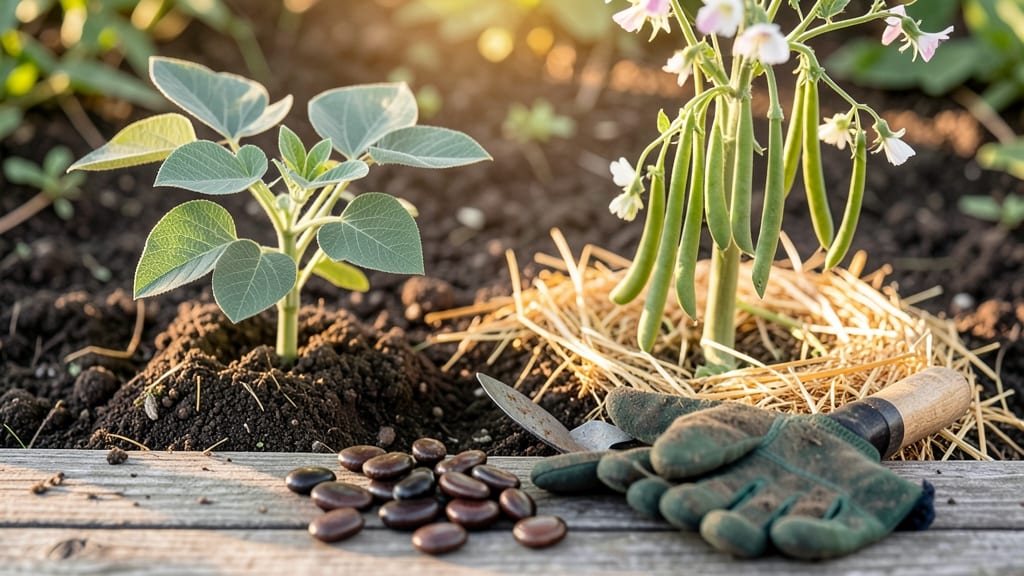
Planting fava beans at the wrong time in Zone 8 could mean missing out on their sweet, buttery flavor entirely—these cool-season legumes need just the right window to thrive.
With Zone 8’s mild winters, you’ve got two prime chances to grow them: fall or early spring, but timing matters more than you might think.
The key is planting 6-8 weeks before your first frost—typically between September and October for fall harvests or February to March for spring ones. Too early, and they bolt; too late, and they struggle with heat.
I’ll show you exactly how to align your planting with Zone 8’s microclimates for foolproof success.
Even if you’ve tried fava beans before, you might be overlooking simple tricks like mulching or choosing the right variety for your local frost dates. Whether you’re a seasoned gardener or just starting, these insights will help you maximize your yield without the guesswork.
Ready to grow fava beans that taste like they came from a Mediterranean market? Let’s break down the best planting times, soil prep, and even how to extend the season if needed—so you can enjoy fresh, homegrown pods all the way through harvest.
Best planting windows for fava beans in Zone 8’s cool season
Fava beans (Vicia faba) are cool-season powerhouses that thrive in Zone 8’s mild winters and spring transitions. Unlike heat-loving crops, they demand soil temperatures between 40°F and 75°F for optimal germination and growth.
In Zone 8, this means focusing on fall and early spring plantings—two distinct windows where your garden stays cool enough for success.
Zone 8’s last frost date (Dec 15) and first frost date (Jan 15) create a unique opportunity: fava beans can be planted in late summer/fall to overwinter and produce in early spring, or in early spring for a late-winter harvest.
This dual strategy maximizes your growing season while avoiding summer’s scorching heat.
For fall plantings, aim to sow seeds 6-8 weeks before your first frost—typically late September to early October. This gives plants enough time to establish roots before winter slows growth. In early spring, plant February to early March for a harvest before summer arrives.
Here’s the key: Soil temperature matters more than air temperature. Use a soil thermometer to confirm 50°F-60°F soil temps before planting. If your soil is warmer than 75°F, germination slows or fails entirely—even in cooler Zone 8 air.
| Planting Window | Ideal Months | Soil Temp Range | Harvest Window | Notes |
|---|---|---|---|---|
| Fall Planting | Late Sept - Early Oct | 50°F-65°F | Feb - April | Overwinters; mulch heavily |
| Early Spring Planting | Feb - Early March | 55°F-70°F | May - June | Avoid summer heat stress |
Zone 8 gardeners often face microclimate challenges—coastal areas stay milder, while inland zones can drop faster. If you’re near the coast, you might push fall plantings into early November, but inland gardeners should stop by mid-October to avoid winterkill.
Test your soil’s cold tolerance by planting a few seeds in late August to see how quickly they germinate.
Pro tip: Prep your soil in late summer (August) by amending with compost and aged manure. Fava beans fix nitrogen, but they still need phosphorus-rich soil for strong root development. Aim for a pH of 6.0-7.0—test your soil in August to adjust before planting.
For extended growing seasons, try succession planting in fall: sow a second batch in mid-October for a staggered harvest. Use row covers in winter to protect young plants from freezing temps below 20°F. This trick works especially well in Zone 8a (cooler microclimates) where winters are harsher.
Remember: Fava beans hate heat. If your spring planting extends into April or May and temps rise above 80°F, your plants will bolt or produce bitter pods. Monitor your local 7-day forecast and adjust planting dates accordingly—sometimes waiting 2 weeks later can make all the difference.
Start with soaked seeds (8-12 hours in water) to speed germination in cooler soil. Plant 1-2 inches deep and 2-3 inches apart in rows 18 inches apart for easy harvests. Thin seedlings to 3-4 inches apart once they’re 2 inches tall—this prevents overcrowding and disease.
With these timing strategies, you’ll enjoy tender, flavorful fava beans twice a year in Zone 8—once in early spring and again in late winter from your fall crop. The key is cool soil, patience, and microclimate awareness—master these, and you’re on your way to a legendary harvest! 🌱
Best planting windows for fava beans in Zone 8’s cool season
Fava beans love cool temperatures and struggle when Zone 8’s summer heat arrives. The key to success is planting during two distinct windows: late summer/fall and early spring. These timings align with soil temperatures below 75°F and avoid the peak heat stress that can stunt growth or kill seedlings.
For fall plantings, aim for late August through October—this gives seeds time to germinate before winter slows growth. In early spring, plant between February and March to harvest before summer arrives. Both windows require well-drained soil and partial shade to protect young plants from intense afternoon sun.
Zone 8’s microclimates can shift frost dates, so check your local last frost average (typically January 15 in most of Zone 8). Plant fava beans 6-8 weeks before the first frost for a winter harvest, or 4-6 weeks before the last frost for a spring harvest.
| Planting Window | Ideal Months | Soil Temp | Harvest Time |
|---|---|---|---|
| Fall Planting | Late August-October | 50-75°F | February-April |
| Early Spring | February-March | 55-70°F | May-June |
To extend the growing season, prepare your soil in late summer by adding compost and mulching with straw. This keeps roots cool and retains moisture. If you’re planting in containers, use black fabric to absorb heat and protect seedlings from intense afternoon sun.
For Zone 8 gardeners, the earliest harvests come from fall plantings, while spring plantings yield later in the season. Both methods work, but fall planting often produces larger yields because plants mature before summer heat arrives.
Always plant 1-2 inches deep and 2-3 inches apart for optimal spacing. Thin seedlings to 6 inches apart once they reach 3-4 inches tall to prevent overcrowding and improve airflow.