
Plants
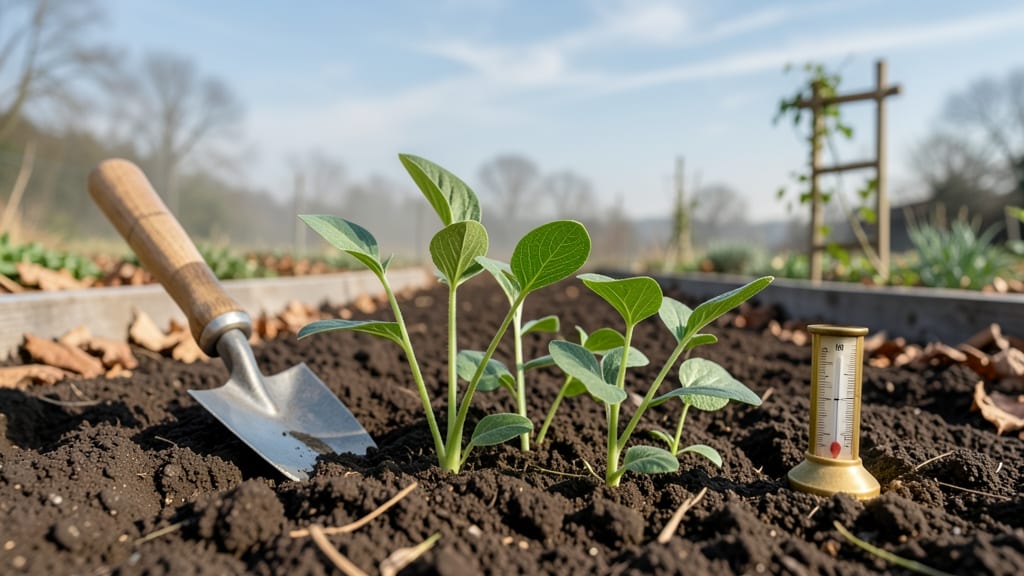
Planting fava beans in Zone 6 at the wrong time means watching your crop vanish overnight from frost—or worse, waiting months for a harvest that never comes. These hardy legumes 🌱 actually love the cool weather, but getting the timing right is the key to avoiding disappointment.
Most gardeners in Zone 6a rush to plant too late in spring, missing the sweet spot between late March and early April when soil temperatures hit that perfect 40-60°F range.
But here’s the game-changer: you can also sow them in early fall (August-September) for a second harvest before winter sets in.
I’ve learned the hard way that skipping frost dates can turn a promising crop into a sad memory. Whether you’re a first-timer or a seasoned gardener, this schedule will help you avoid common pitfalls and maximize your yield—without the guesswork.
Ready to grow fava beans that thrive? Let’s dive into the exact planting windows, frost tolerance tricks, and companion plants that work best in Zone 6’s unpredictable climate.
Optimal planting windows for fava beans in Zone 6 (with frost tolerance guide)
Fava beans are one of the most cold-hardy vegetables you can grow in Zone 6, but their planting window is narrow. Unlike heat-loving crops, they thrive when soil temperatures hover between 40°F and 60°F—perfect for early spring or late summer.
Missing this range means slower germination or stunted growth. Let’s break down the exact timing and frost tolerance rules to maximize your harvest.
In Zone 6, your best bets are early spring (March–April) or late summer (August–September). Spring plantings give you a June–July harvest, while fall plantings yield in October–November.
The key? Avoid planting when nighttime temps dip below 28°F—fava beans can survive brief frosts down to 15°F, but young seedlings are far more delicate.
Here’s the frost tolerance breakdown you need to know: - Established plants (3+ inches tall): Survive 15°F with minimal damage. - Seedlings (1–2 inches tall): Die at 28°F or below. - Seeds: Germinate best at 50–60°F soil temps.
| Planting Window | Ideal Soil Temp | Frost Risk | Moon Phase Tip |
|---|---|---|---|
| Early Spring (March 1–April 15) | 40–60°F | Low (after last frost) | Plant during waxing moon for faster growth. |
| Late Summer (August 1–September 15) | 50–65°F | Moderate (before first frost) | Avoid full moon—slower germination. |
| Late Winter (Feb 15–March 1) | 45–55°F (with cold frame) | High (use row covers) | Best for succession planting. |
For Zone 6 gardeners, the last frost date (around April 15) signals the start of your primary planting window. If you’re eager to start earlier, use a cold frame or row cover to protect seedlings from late frosts.
Just beware: soil that’s too cold (below 40°F) will delay germination by weeks.
Pro tip: Moon phases matter for fava beans. Plant during the waxing moon (when the moon is growing) to boost root development. Avoid the waning moon if you want strong, fibrous pods—this phase can make them tougher.
Microclimates in Zone 6 can shift planting windows by 2–3 weeks. If you’re in a valley or near a large body of water, expect cooler soil longer. Conversely, south-facing slopes warm up faster—ideal for early starts. Always check your local frost-free date and adjust accordingly.
One common mistake is planting too late in spring. By May 1, soil temps often exceed 65°F, stressing fava beans. If you miss the spring window, switch to fall planting—just ensure your pods mature before the first frost (October 15).
Aim for a 90-day harvest window from planting to pod readiness.
For continuous harvests, try succession planting: Sow seeds every 2–3 weeks in spring or fall. This stretches your harvest from June to November in Zone 6. Just remember: fava beans need full sun (6+ hours) and well-draining soil to thrive.
Now that you’ve got the timing down, let’s talk about soil prep. Fava beans love phosphorus-rich soil (pH 6.0–7.5). Work in compost or bone meal before planting to encourage strong root growth. Avoid fresh manure—it can burn delicate seedlings.
Ready to plant? Grab your seeds, mark your calendar for the waxing moon, and get those beans in the ground before the window closes. Your Zone 6 garden will thank you with a bounty of sweet, nutty pods!
How to extend your fava bean season in Zone 6 (cold frame, row cover, and succession tips)
Zone 6’s short growing season doesn’t mean you’re limited to just two planting windows for fava beans. With the right tools, you can push your harvests earlier or later. Cold frames and row covers are game-changers for extending your season—just use them wisely to avoid humidity-related diseases.
For earlier spring plantings, start seeds indoors in late January under grow lights. Transplant them into a cold frame by mid-February, when soil temps hit 40°F. Remove the frame once nighttime temps stay above 35°F consistently. This trick can shave off 2-3 weeks from your traditional schedule.
🌱 Extending Your Fava Bean Season: Pros & Cons
Cold Frame
- ✅ Extends season by 3-4 weeks
- ✅ Protects from light frosts (28°F)
⚠️ Risk of over-heating in sun
Row Cover
- ✅ Lightweight and breathable
- ✅ Works for late fall plantings
⚠️ Needs staking in wind
Succession Planting
- ✅ Staggered harvests all season
- ✅ No extra gear needed
⚠️ Requires space management
For fall extensions, sow seeds in early September under a floating row cover. This protects tender seedlings from 30°F+ frosts while still allowing light and airflow.
Remove covers during the day if temps rise above 50°F to prevent overheating. You can even get a second harvest in late fall!
Succession planting is another smart strategy. Instead of one big planting, sow small batches every 2-3 weeks from March through May. This ensures a steady supply of fresh pods and reduces the risk of losing your entire crop to a single late frost.
Just mark your planting dates with stakes or flags to stay organized.
If you’re experimenting with overwintering, try planting in late September under heavy mulch (straw or leaves). Fava beans can survive 15°F with protection, and you might get an early spring harvest. Monitor soil moisture—overwintered plants need less water but still benefit from occasional drinks during dry spells.
Pro tip: Pair your extended-season fava beans with cold-hardy companions like kale or spinach. They’ll share space efficiently and even improve soil health for next year’s plantings. Just avoid planting near onions or garlic—they’re not fan friends! 🌱