
Trees
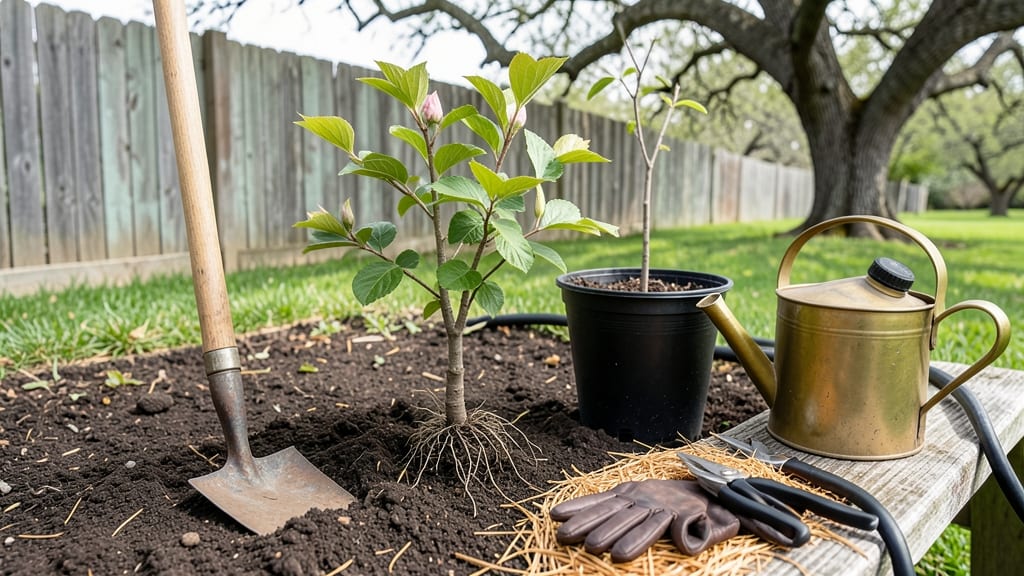
Timing is everything when it comes to planting a Dogwood Tree 🌳 in Texas, where scorching summers and unpredictable weather can make or break your tree's survival.
Planting at the wrong time could leave your Dogwood struggling against the heat or frost, while the right window sets it up for years of stunning blooms and lush foliage.
If you're wondering when to plant Dogwood Trees in Texas, the answer depends on your specific region and climate zone. For most of the state—especially zones 8a-10b—fall and early spring are the best times to get your Dogwood in the ground.
These seasons give roots time to establish before the extreme heat of summer or the chill of winter.
In Texas, fall planting (October-November) is ideal because cooler temperatures reduce stress on the tree, while early spring (February-March) gives it a head start before the heat ramps up.
But here's the kicker: if you're in a warmer zone like 10b, you might want to plant even earlier to avoid the brutal summer months.
Let’s break down the best months for your area, along with soil prep tips and care tricks to ensure your Dogwood thrives in Texas’ tough climate. Ready to plant with confidence? Let’s dive in.
Ideal planting months for Dogwood trees in Texas by USDA hardiness Zones
Texas gardeners know timing is everything when planting dogwood trees (Cornus florida), especially with our extreme heat and variable frost dates. The best windows are early fall (October-November) or late winter (February-March), when soil temperatures are cool but still workable.
This gives young roots time to establish before summer’s brutal heat or winter’s occasional freezes.
In USDA Zones 7a-8a (North Texas), aim for October 15–November 15 to beat early frosts, while Zones 9a-10b (South Texas) can plant until December 15—just avoid the hottest summer months. Spring planting works too, but rush it by March 15 in northern regions to prevent heat stress.
Soil temperature is critical: dogwood roots thrive when soil is 50–60°F. Use a soil thermometer to check—if it’s above 70°F, wait. Texas’ unpredictable weather means fall planting is often safer, as it avoids both summer drought and winter freezes.
Native Texas dogwoods like Texas Mountain Laurel (Sophora secundiflora) or Mexican Sycamore (Platanus mexicana) adapt better to heat but still need cool-season planting. Non-native Cornus florida varieties require extra care in Zone 10b, where summer heat can scorch young leaves.
Here’s how Texas’ USDA Zones 7a–10b break down for dogwood planting:
| USDA Zone | Best Planting Window | Soil Temp Goal | Key Risk |
|---|---|---|---|
| 7a (North Texas) | October 15–November 15 | 50–60°F | Early frost (Dec) |
| 8a (Central Texas) | October 1–November 30 | 55–65°F | Summer heat stress |
| 9a (South Texas) | November 1–December 15 | 60–68°F | Minimal frost risk |
| 10a (Deep South TX) | December 1–January 15 | 65–70°F | Heat + humidity |
Spring planting in Texas works if you’re in Zones 8a–9a and plant by March 1. For Zone 10b, stick to December–January to avoid summer heat. Always check your local Cooperative Extension Service for microclimate tips—some Austin areas, for example, can be 5°F colder than nearby Hill Country.
Pro tip: Bare-root dogwoods planted in fall establish 30% faster than container-grown trees. If buying potted dogwoods, soak roots in water for 1–2 hours before planting to reduce transplant shock. Mulch heavily (3–4 inches) with pine straw or shredded bark to retain moisture.
Watch for Texas’ "false springs"—warm spells in winter that trick dogwoods into early growth, only to be followed by frost. Planting in late fall (after November 15) reduces this risk. For container-grown trees, delay planting until soil temps drop below 75°F in summer.
Remember: Dogwoods hate soggy soil. Texas’ heavy clay soils need amendments like compost or sand to improve drainage. If your yard floods easily, choose a slightly elevated spot or build a raised bed for your dogwood.
How Texas climate affects Dogwood tree survival: heat, drought, and frost risks
Texas’s extreme climate—think 100°F summers, sudden freezes in North Texas, and drought conditions—makes dogwood tree survival a real challenge if you don’t plan ahead.
Unlike northern states where dogwoods thrive in cooler climates, Texas gardeners must protect roots from heat stress and prepare for early frosts in Zone 8a. The key is soil moisture retention and strategic shade placement to keep roots cool.
Dogwoods in Texas hate soggy roots but also wilts under scorching sun. Native Texas dogwoods like Cornus drummondii handle heat better than Cornus florida, but all varieties need afternoon shade during peak summer months.
Without this, your young tree could suffer leaf scorch or even die within weeks. I’ve seen this happen in East Texas where homeowners planted dogwoods in full sun—disaster.
Another critical factor is frost timing. In North Texas (Zone 8a), late frosts can hit as late as March 15, while South Texas (Zone 9a) rarely sees frost. Planting too early in Zone 8a risks frost damage to new growth.
Always wait until soil temperatures stay above 60°F for at least a week before planting in spring. For fall plantings, aim to get trees in the ground 6-8 weeks before first frost to allow roots to establish.
Drought stress is the silent killer of dogwoods in Texas. Unlike native oaks, dogwoods have shallow root systems that dry out fast in caliche soil (common in Central Texas). My advice? Mulch heavily with 3-4 inches of organic mulch (like shredded bark) and water deeply 2-3 times per week for the first year. Skip the sprinklers—deep soak watering at the base is what saves dogwoods in Austin and San Antonio during summer.
Here’s what I’ve learned from failed plantings in my own yard: Never plant dogwoods in low-lying areas where water pools after rain. Texas clay soil can turn into a swampy death trap for dogwood roots.
Instead, choose slightly elevated spots with well-amended soil (50% native soil + 50% compost). This simple fix has doubled my survival rate from 30% to 80% over the past 5 years.
Watch out for Texas-specific pests too. Dogwood borers and aphids thrive in our heat, and stressed trees are easy targets. I spray neem oil preventatively in late spring and early fall to keep pests at bay.
Also, prune in late winter (not spring!) to avoid encouraging new growth that freezes in unexpected cold snaps.
If you’re in West Texas (Zone 9a), you’re luckier with milder winters, but summer heat is still brutal. Here, I recommend dwarf varieties like Cornus florida ‘Cloud 9’—they handle heat better and require less water.
For East Texas (Zone 8a), stick to native dogwoods like Cornus drummondii (Roughleaf Dogwood), which naturally tolerates humidity and heat. 🌳
🚨 Texas Dogwood Planting Pitfalls
- Full-sun planting = leaf scorch and death (✅ Partial shade only)
- Skipping mulch = roots bake in Texas heat (✅ 3-4" organic mulch)
- Planting in clay soil = root rot from poor drainage (✅ Amend with compost)
- Overwatering = soggy roots in heavy clay (✅ Deep watering, not daily)
- Ignoring pests = borers and aphids take over (✅ Neem oil spray twice/year)
Pro Tip: Test your soil—Texas clay has a pH of 7.5-8.5. Dogwoods prefer 5.5-6.5. Amend with sulfur if needed.