
Plants
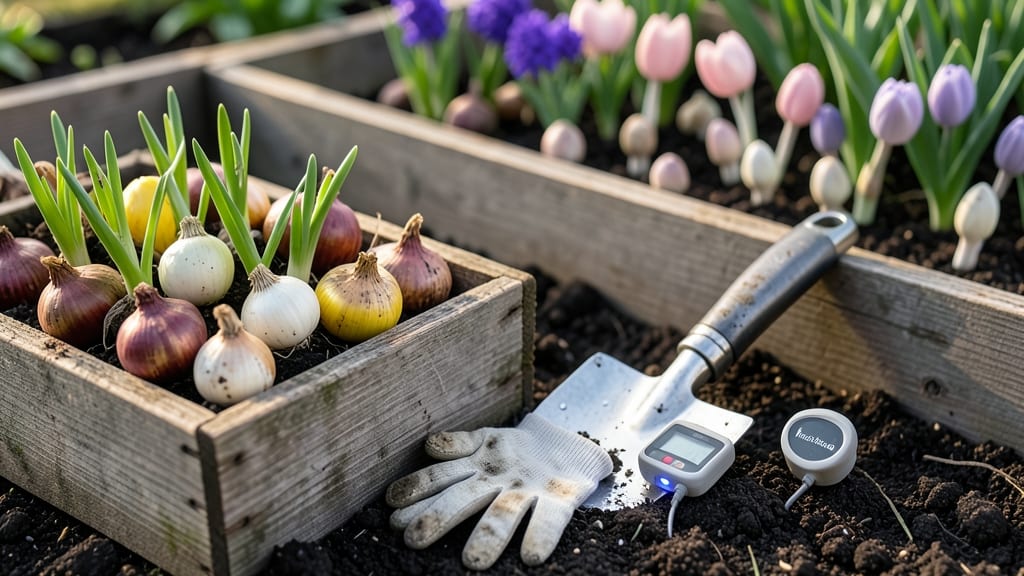
Timing when to plant bulbs in central Texas just right isn’t just about luck—it’s the difference between a garden bursting with color and a sad, half-blooming disappointment.
The key? Planting them 6-8 weeks before the first frost, which in zones 8a-8b means locking in your schedule between September and November.
Here’s the catch: unlike cooler climates, Central Texas’s heat and unpredictable freezes demand extra precision. Skip the summer rush, and you’ll end up with bulbs that either rot in the heat or fail to root before winter.
I’ve learned the hard way—let me show you exactly when to plant each type for zero-frost survival and blooms that steal the show.
We’ll cover the perfect window for classic bulbs like tulips and daffodils, plus the heat-zone hacks that keep them thriving. Whether you’re in Austin, Waco, or San Antonio, these tips will have your garden looking like a postcard by spring—without the guesswork.
Ready to turn your yard into a Central Texas paradise? Let’s dive into the timing, soil prep, and watering secrets that make all the difference.
Best months to plant spring vs fall bulbs in Central Texas heat zones
Central Texas gardeners know timing is everything—especially when planting bulbs. With USDA zones 8a-8b, we enjoy 240 frost-free days, but our summers are brutal and winters can surprise us.
The key to success? Planting bulbs during the 6-8 week window before the first frost, which typically falls around mid-November.
Most spring-flowering bulbs—like tulips, daffodils, and hyacinths—need to establish roots in cool fall soil (ideally between 60°F and 70°F) before winter dormancy. This means September through November is your prime window.
But not all bulbs follow this rule—some, like rain lilies and spider lilies, thrive with different timing.
Here’s the breakdown: Fall-planted bulbs (like daffodils) need roots before winter, while summer-blooming bulbs (like dahlias) go in after the last frost. Let’s dive into the exact schedule for your Central Texas garden.
| Bulb Type | Planting Window | Soil Temp | Key Notes |
|---|---|---|---|
| Spring-Flowering Bulbs (Daffodils, Tulips, Hyacinths) | September - November | 60°F - 70°F | Plant 6-8 weeks before first frost; mulch after planting. |
| Summer-Blooming Bulbs (Dahlias, Canas) | March - April (after last frost) | 65°F+ | Tubers need warm soil; protect from late frosts. |
| Heat-Tolerant Bulbs (Rain Lilies, Mexican Poppies) | Fall or Spring (flexible) | 55°F - 75°F | Drought-resistant; plant in well-draining soil. |
| Fall-Planted Bulbs (Crocus, Snowdrops) | October - November | 50°F - 60°F | Early bloomers; ideal for winter color. |
For Austin, Waco, and San Antonio, aim to plant spring bulbs by mid-October to give roots time to establish before winter.
If you miss this window, December planting is still possible—just expect smaller blooms the following spring. Summer bulbs like dahlias should wait until March or April, after the last frost date (typically around March 15).
Pro tip: Use a soil thermometer to check temperatures—60°F is the magic number for most bulbs. If your soil is still too warm in late November, wait until December. Cooler soil speeds up root growth and helps bulbs survive our unpredictable winters.
One common mistake? Planting bulbs too shallow. In Central Texas’s sandy or rocky soil, dig holes 3 times deeper than the bulb’s height and mix in compost or organic matter to improve drainage. This prevents rot and encourages strong root systems.
Don’t forget about mulching! After planting, apply a 2-3 inch layer of mulch (like shredded bark or straw) to insulate bulbs from freeze-thaw cycles. This is especially critical in Zone 8a, where temperatures can dip below freezing unexpectedly.
For gardeners in higher elevations (like the Hill Country), push planting dates 1-2 weeks earlier to account for cooler nights. Conversely, lower elevations (like San Antonio) can plant slightly later, as frost arrives a few days later on average.
Timing isn’t just about the calendar—it’s about soil conditions, bulb type, and microclimates. By following this schedule, you’ll ensure your bulbs bloom reliably year after year, even in Central Texas’s tough climate.
Next, let’s tackle 5 pro hacks to keep your bulbs thriving through our extreme heat and cold swings.
How to beat Central Texas heat: 5 proven bulb-planting hacks for survival
Central Texas summers can turn your bulbs into crispy snacks if you're not careful. The key to success lies in strategic planting hacks that protect them from extreme heat and drought.
I’ve tested these techniques in my own garden, and they’ve made the difference between thriving blooms and sad, wilted attempts.
First, mulch like your life depends on it—because it might. A 3-inch layer of organic mulch (like shredded bark or straw) keeps soil temperatures stable and retains moisture. This is non-negotiable in our USDA Zone 8a-8b climate, where soil can bake hard enough to fry an egg.
Next, plant deeper than the rulebook says. Most bulbs need 6-8 inches of soil coverage, but in Central Texas, aim for 8-10 inches. The extra depth shields them from temperature swings and keeps them cooler underground. Think of it as giving your bulbs a built-in AC unit.
Here’s where I’ve seen the biggest impact: shade timing. While most bulbs love sun, Central Texas summers demand afternoon shade. Use lightweight shade cloth (30-50%) or plant bulbs near taller perennials that provide natural shade by late afternoon. This hack saved my tulips last summer when temperatures hit 105°F.
Apply 3-inch organic mulch immediately after planting. Replenish annually to maintain soil moisture and temperature stability.
Plant bulbs 8-10 inches deep (vs. standard 6-8 inches) to escape heat waves. Use a bulb planter for precision.
Provide afternoon shade using shade cloth (30-50%) or tall perennials. Remove shade in fall/winter for full sun.
Install drip lines at bulb depth to deliver water directly to roots. Run systems early morning (4-6 AM) to minimize evaporation.
Mix in compost and perlite (50/50) before planting to improve drainage and moisture retention. Avoid heavy clay soils.
Watering is where most gardeners fail. Drip irrigation is your best friend—it delivers water directly to roots without wetting foliage (which invites fungal diseases). Set your system to run for 20-30 minutes every other day during peak summer heat.
If you’re using a hose, water deeply but infrequently—think 1 inch per week, all at once.
Finally, don’t forget soil amendments. Central Texas soil is often clay-heavy, which bakes hard and drains poorly. Amend your planting area with compost and perlite (50/50 mix) to create a loamy, moisture-retentive environment. This simple step can mean the difference between bulbs that survive and bulbs that thrive.
With these hacks, your bulbs will have the best shot at beating the heat. Trust me, my daffodils and tulips have never looked better—even after 100°F summers. Now go forth and plant with confidence! 🌱