
Plants
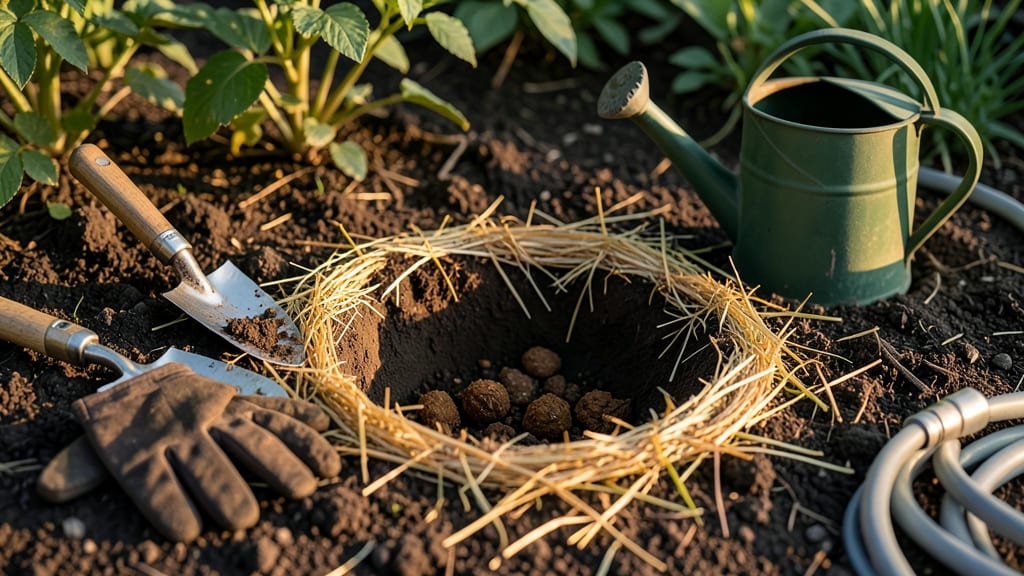
Planting dahlias in Maine’s Zone 5B-6B climate means timing is everything—get it wrong, and you’ll either lose your tubers to frost or miss out on summer’s show-stopping blooms.
The key to success lies in waiting until after the last frost date (typically mid-May) when soil temperatures hit a steady 60°F, signaling it’s safe to plant.
Why does this matter? Dahlias are heat-loving plants that won’t thrive in cold soil, and Maine’s unpredictable spring weather can throw off even the most well-laid plans.
If you plant too early, your tubers may rot; too late, and your blooms won’t have enough time to mature before frost hits in October. The sweet spot? Aim for early to mid-June for maximum blooming potential.
But here’s the good news: with the right preparation, you can extend your dahlia season in Maine. From hardening off tubers to choosing cold-hardy varieties, I’ll walk you through every step to ensure your 🌼 dahlias put on a spectacular show—no matter how short the growing season feels.
Ready to transform your garden into a summer paradise? Let’s dive into the exact timeline, soil prep tips, and pro strategies that’ll have your dahlias thriving from June until the first frost.
Maine’s ideal dahlia planting dates by frost zone 5B timeline
Maine’s Zone 5B climate demands precision when planting dahlias—timing is everything to avoid frost damage or missed blooming seasons. The average last frost date in most of Maine falls around May 15, but this can vary by 1-2 weeks depending on your specific microclimate.
For dahlia tubers, which are sensitive to cold, you’ll want to wait until the soil temperature consistently stays above 60°F (15°C).
In my experience, planting 4-6 weeks after the last frost date gives dahlias enough time to establish roots before Maine’s unpredictable summer heat arrives. This typically lands in late May to early June for most gardeners.
However, if you’re in a cooler inland area, like northern Maine, you may need to push planting to mid-June to ensure safety.
Before you even think about planting, harden off your tubers. Store them in a cool, dark place until 2-3 weeks before your target planting date, then gradually expose them to room temperature and light. This mimics natural conditions and helps prevent shock when they hit your garden soil.
Here’s the critical timeline you need to follow for Maine’s Zone 5B:
| Stage | Action | Maine Timeline |
|---|---|---|
| Tuber Storage | Keep tubers in cool, dark place (40-50°F) | February-April |
| Hardening Off | Gradually expose to light/room temp | 2-3 weeks before planting |
| Soil Prep | Amend with compost, ensure drainage | April-May |
| Planting Window | Plant after last frost, soil 60°F+ | Late May-Early June |
| First Blooms | Expect blooms 8-10 weeks after planting | July-August |
One of the biggest mistakes I see Maine gardeners make is planting too early to beat the frost. Dahlias planted in cold soil (below 50°F) struggle to establish roots, leading to stunted growth or even death.
Always check soil temperature with a soil thermometer—it’s the most reliable way to confirm readiness.
If you’re unsure about your local frost dates, consult your county’s agricultural extension office or use a local weather app that tracks frost history. For example, Portland’s last frost often comes a week earlier than Bangor’s, so adjust accordingly.
Pro tip: Mark your calendar for June 15 as your absolute last planting date—any later, and you risk missing the blooming window entirely.
For container gardening in Maine, you can push your planting window slightly later. Containers warm up faster and can be moved to protected spots during unexpected cold snaps. Just ensure your pots have drainage holes and use a lightweight potting mix to prevent waterlogging.
Once planted, mulch heavily around your dahlias to maintain soil warmth and moisture. A 3-inch layer of straw or shredded leaves works wonders in Maine’s variable climate. This also helps suppress weeds, which can compete with your dahlias for nutrients during their critical first 6 weeks of growth.
Remember, dahlias are annuals in Maine, so focus on enjoying their mid-summer to early fall blooms before the first frost hits around October 1.
With the right timing, you’ll have cut flowers from July through September—plenty of time to enjoy their beauty or even sell bouquets at local markets!
How to extend your Maine dahlia season with smart planting strategies
Maine’s cool climate means dahlias need extra care to thrive beyond the typical 90-day growing season. I’ve learned that hardening off tubers and choosing the right varieties can add 3-4 weeks to your blooming window.
Start by chilling your tubers for 4-6 weeks in a cool, dark place before planting—this mimics winter dormancy and jumpstarts growth when warmth arrives.
For early blooms, select cold-hardy varieties like ‘Café au Lait’ or ‘Bishop’—these tolerate cooler soils better than tropical types. Pair them with row covers in late spring to protect young plants from unpredictable frost after your last frost date (typically May 15 in Zone 5B).
Here’s how to balance heat-loving and cold-tolerant varieties for maximum impact: Plant early-blooming types first (like ‘Thomas Edison’) near your south-facing fence for extra warmth, then add mid-to-late season varieties (like ‘Arabian Night’) as soil warms in June.
🌱
Cold-Hardy Varieties
Heat-Loving Varieties
- Bloom earlier in cooler Maine summers
- Tolerate 50°F soil temps better
- Lower risk of rot in damp conditions
- Smaller, less dramatic blooms
- May struggle in July heat
- Bold, showstopper blooms for late summer
- Thrive in July-August heat
- Longer blooming season (6-8 weeks)
- Need warmer soil (60°F+) to establish
- More water-sensitive in humidity
To stretch your season even further, try container gardening—pots warm up faster than garden beds and can be moved to protected microclimates. I’ve had success with black plastic pots (they absorb heat) placed on patio stones to elevate roots away from cold soil.
For late-season protection, wrap taller varieties in frost cloth once nighttime temps drop below 50°F.
Finally, don’t overlook succession planting: After harvesting early blooms, replace them with new tubers in mid-July to extend color until frost. This two-phase approach ensures your garden stays vibrant from June through September—even in Maine’s challenging climate.
🌼