
Companion Plants
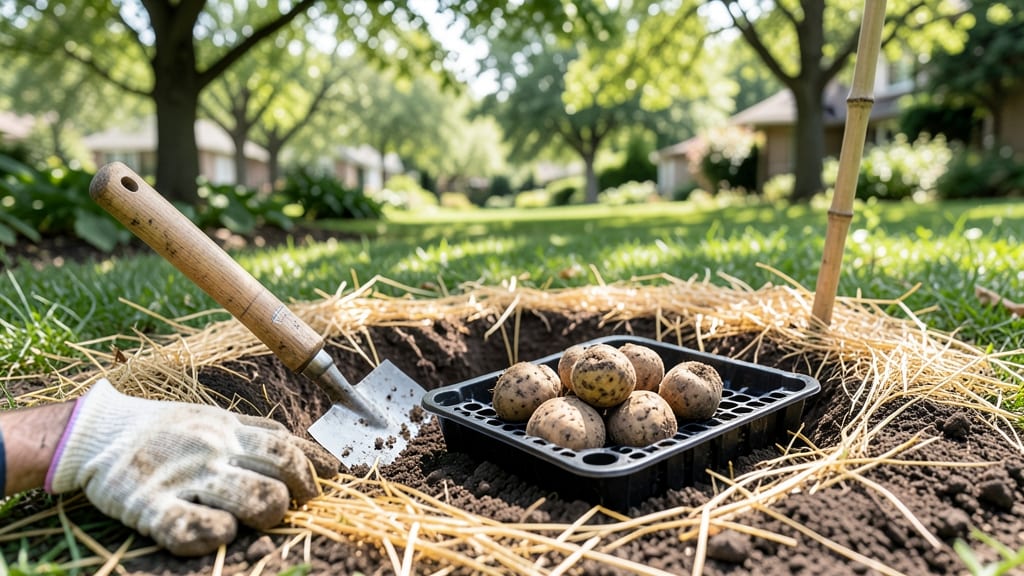
Timing your dahlia 🌸 planting in Pennsylvania can mean the difference between a showstopping summer garden and a sad, frost-nipped disappointment. The ideal window—mid-April to early June—aligns perfectly with when the ground warms and the last frost typically passes, but getting it wrong risks stunted growth or worse.
I’ve learned the hard way that rushing dahlias into cold soil (below 55°F) slows root development, leaving them vulnerable to pests and disease. Meanwhile, planting too late cuts your bloom time short, robbing you of those vibrant July to October displays.
The key? Knowing your microclimate—whether you're in Zone 6a or a slightly warmer pocket of the state.
In this guide, I’ll break down the exact frost-free timeline for Pennsylvania, including how to adjust for urban heat islands or mountain valleys. You’ll also discover 3 critical signs your dahlias are ready to go in the ground—and what to do if you miss the window entirely.
Let’s get those tubers in the soil at the perfect moment.
Whether you’re a first-time gardener or a seasoned pro, mastering this timing will give you dahlias that thrive from first bloom to frost. Ready to transform your garden? Let’s dive in.
Pennsylvania’s dahlia planting timeline by hardiness zones (5b-7a)
Timing your dahlia planting in Pennsylvania depends on USDA hardiness zones and last frost dates. Most of PA falls in zones 5b-7a, with Pittsburgh (6a) and Philadelphia (7a) having the warmest microclimates. Soil temperature is the critical factor—wait until it reaches 55°F+ consistently before planting tubers.
This usually aligns with mid-April to early June, but regional variations matter.
For Zone 5b (northwest PA), aim for late May planting to avoid late spring frosts, which can damage tender tubers.
In Zone 6a (central PA), early to mid-May works best, while Zone 7a (southeast PA) can start as early as mid-April. Urban areas like Philadelphia often warm up faster due to heat islands, while mountain valleys stay cooler longer.
Here’s how to align your planting with PA’s microclimates and frost-free windows:
Use a soil thermometer to confirm 55°F soil temps—this is more reliable than air temperature. Dahlia tubers won’t sprout until soil warms, so rushing can lead to rot or stunted growth.
In Zone 5b, consider starting tubers indoors in early April to jumpstart growth, then transplant after last frost.
If you’re in a transition zone (e.g., Lancaster County), err on the side of planting later. A 50/50 chance of frost exists until May 15 in these areas.
For container dahlias, you can plant 2 weeks earlier since pots warm up faster, but still monitor nighttime temps.
Pro tip: Mark your calendar for Mother’s Day weekend (May 12–14)—this is a safe middle-ground planting date for most of PA. By then, 90% of frost risks have passed, and soil temps are reliably warm.
Pair this with black plastic mulch to raise soil temps by 5–10°F and extend your planting window.
For late bloomers, prioritize heat-tolerant varieties like ‘Café au Lait’ or ‘Thomas Edison’, which handle Zone 7a’s summer heat better than delicate pompom types. In cooler zones, opt for shorter varieties like ‘Bishop’
Microclimate-specific adjustments for faster or slower planting
Pennsylvania’s microclimates can shift your dahlia planting window by 2-4 weeks, depending on where you live. Urban areas like Philadelphia often experience heat islands, warming soil faster than rural zones. Meanwhile, mountain foothills near Pocono may stay colder longer.
River valleys (like the Susquehanna) create frost pockets, delaying planting by 10-14 days. Use a soil thermometer to confirm 55°F+ before planting—this is your true cue, not just calendar dates.
Row covers or cold frames can extend your season in Zone 5b areas. For example, covering tubers in late April (when soil hits 45°F) lets you plant 2 weeks earlier without frost risk.
South-facing slopes warm up 3-5 days faster than north-facing beds. Plant tubers here first, then move to cooler spots as soil warms. Avoid low-lying areas—they trap cold air and delay planting by up to 3 weeks.
| Microclimate | Adjustment | Action |
|---|---|---|
| Urban Heat Islands (e.g., Philly) | Plant 1-2 weeks earlier | Test soil at 55°F |
| Mountain Foothills (e.g., Poconos) | Delay by 2 weeks | Use row covers |
| River Valleys (e.g., Susquehanna) | Delay by 10-14 days | Choose south-facing beds |
| South-Facing Slopes | Plant 3-5 days earlier | Prioritize these spots |
If you’re in Zone 7a (like Lancaster), you can push planting to early April with black plastic mulch. This raises soil temps by 5-8°F, giving dahlias a head start. Just remove mulch once tubers sprout to avoid overheating.
For late bloomers, consider container growing. Pots warm up faster and let you move plants to protected spots if frost threatens. Use 5-gallon containers for dwarf varieties like 'Café au Lait', which thrive in partial sun if needed.
Pro Tip: Mark your last frost date on a calendar, then add 2-3 weeks as a buffer. Pennsylvania’s weather is unpredictable—better safe than sorry with $10 tubers at stake! 🌿