
Plants
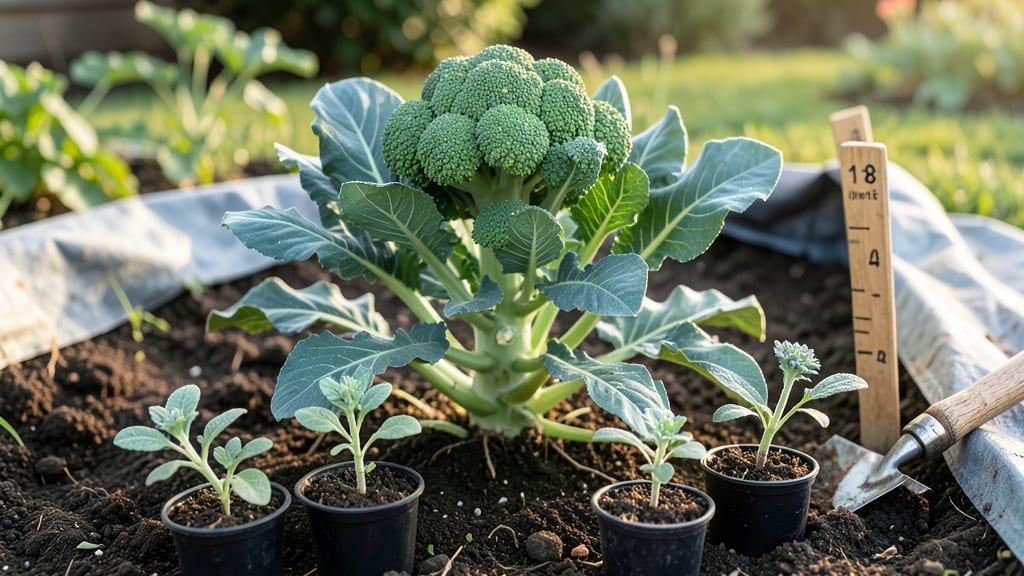
Timing your broccoli 🥦 planting in Utah isn’t just about following a calendar—it’s about outsmarting the state’s tricky frost patterns and high desert climate. One late frost can turn your seedlings into sad, stunted plants, while summer heat sends broccoli bolting faster than you can say "harvest fail."
If you’ve ever stared at your garden calendar wondering, "Should I plant now?" only to watch your broccoli bolt or freeze, you’re not alone.
Utah’s USDA zones 5b-7b mean frost dates shift dramatically from the Wasatch Front to the Salt Lake Valley, and getting those 4-6 weeks before last frost windows right is everything.
Here’s the good news: with a few smart adjustments—like choosing cold-hardy varieties and using row covers—you can stretch your planting window from March to September and enjoy fresh broccoli from spring through fall.
Let’s break down exactly when to plant for your specific elevation and how to protect your crop from Utah’s most notorious weather surprises.
Whether you’re a first-time gardener or a veteran grower dealing with another unpredictable spring, these location-specific tips will help you avoid common mistakes and maximize your harvest. Ready to grow broccoli that thrives, not just survives?
Utah’s broccoli planting zones: frost dates by elevation
Utah’s diverse landscapes—from the Wasatch Front’s valleys to the mountainous high deserts—create wildly different frost-free windows for broccoli.
In USDA Zones 5b-7b, your elevation dictates when to plant, with Salt Lake City’s valley floors typically frost-free by mid-April and higher elevations (8,000+ ft) often waiting until late May.
For accurate timing, check your local last frost date using resources like the Utah Climate Center or Almanac’s Frost Calculator. Microclimates matter too—urban areas like Provo may warm faster than rural Cache Valley due to heat islands. Always add a 2-week buffer to account for late frosts.
Broccoli thrives in cool weather (50°F-75°F), so aim to plant when soil temps hit 50°F+. In Utah’s Zone 6 (e.g., Ogden), this usually means early March for seedlings, while Zone 7b (St. George) can start as early as late February.
🌱
If you’re in Zone 7b (like St. George), prioritize fall planting (August-September) to avoid summer’s 100°F+ heat, which causes broccoli to bolt. For higher elevations (Zone 5b), opt for cold-tolerant varieties like ‘Waltham 29’ or ‘De Cicco’ and use black plastic mulch to warm soil faster.
Pro tip: Use a soil thermometer to confirm temps—broccoli seeds need 50°F+ to germinate, while seedlings tolerate 35°F+ with protection. In Utah’s valleys (Zone 7a), this often aligns with late February for early starts.
For mountain gardeners (Zone 5b), extend your season with row covers or a low tunnel. These can push your last frost back by 2-4 weeks, giving you a longer harvest window in shorter growing seasons.
🌿
Remember, Utah’s frost dates shift yearly. Always monitor local forecasts and adjust your planting by 1-2 weeks if spring arrives late. For example, the 2023 late frost in April caught many gardeners off guard—don’t let it happen to you!
💧
Step-by-step broccoli planting schedule for Utah’s climate
Timing your broccoli planting in Utah requires precision, especially with our variable frost dates and high desert conditions. For spring plantings, aim to transplant seedlings 4-6 weeks before your last frost date, typically between late February and early April depending on elevation.
In Utah’s USDA zones 5b-7b, this often lands in March for most gardeners.
Direct sowing is another option, but it must happen 2-3 weeks before your last frost to ensure seedlings mature before summer heat sets in. This usually means late March to early April for lowland areas like Salt Lake Valley, while higher elevations like Park City may wait until mid-April.
Staggered plantings every 2 weeks can extend your harvest window.
- 🌱 February-March: Start seedlings indoors under grow lights (6-8 weeks before last frost).
- 🌿 Late March: Harden off seedlings (acclimate to outdoor temps for 7-10 days).
- 📍 Early April: Transplant seedlings 4-6 weeks before last frost into prepared beds.
- 🌱 Mid-April: Direct sow remaining seeds 2-3 weeks before last frost.
- 🌡️ May-June: Monitor for bolting (rapid flowering) if temps exceed 80°F.
- 🍃 June-August: Harvest spring broccoli; prepare for fall planting.
- 🌾 August-September: Plant fall crop 10-12 weeks before first frost.
Utah’s late-spring cold snaps can devastate young broccoli plants, so always have row covers ready. If nighttime temps drop below 40°F, protect seedlings with frost cloth or move pots to a sheltered location. For direct-sown seeds, ensure soil temps reach 50°F+—use a soil thermometer to confirm readiness.
Fall planting is equally critical in Utah, with seeds sown August-September for a October-November harvest. Choose cold-hardy varieties like ‘Waltham 29’ or ‘De Cicco’ to withstand Utah’s early October frosts. Space plants 18-24 inches apart to allow airflow and reduce disease risk in Utah’s humid mountain valleys.
Pro tip: Mulch heavily after planting to retain moisture in Utah’s dry winds and suppress weeds. Use straw or wood chips, keeping mulch 2-3 inches away from stems to prevent rot. This is especially important in high-desert areas where soil moisture evaporates quickly.
With these steps, you’ll avoid the common Utah pitfalls of bolting or stunted growth, ensuring a reliable broccoli harvest twice a year—once in spring and again in fall. Happy planting! 🥦