Plants
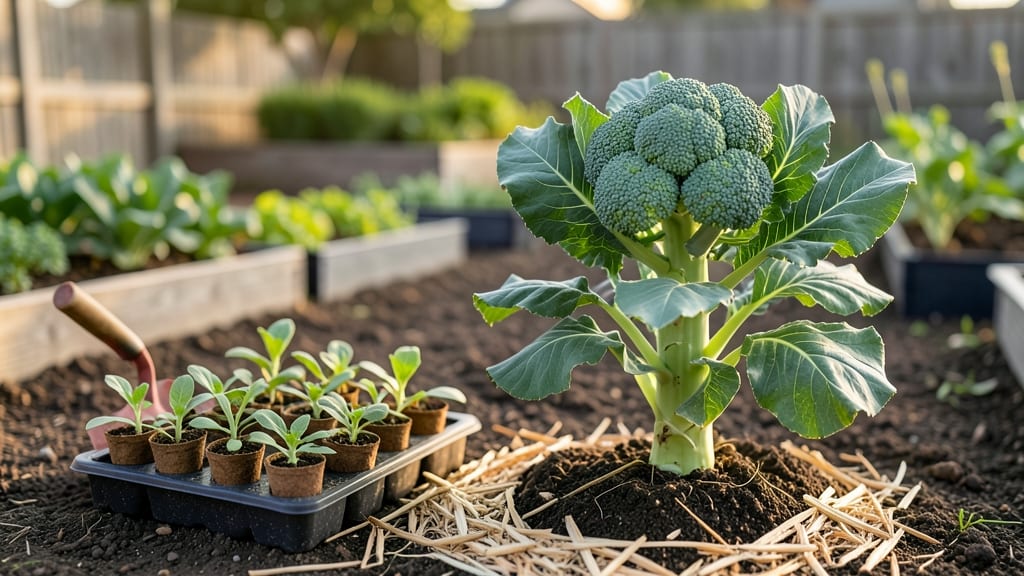
Planting broccoli in North Florida isn't just about timing—it's about outsmarting the unpredictable frost dates that can turn your 🥦 dreams into a sad, wilted memory.
The key to success lies in knowing exactly when to put those seedlings in the ground, whether you're aiming for a fall harvest or a spring bounty. With the right strategy, you can enjoy homegrown broccoli from November through May, even in our warm winters.
North Florida’s USDA Zone 8a-9a climate means you’ve got two prime windows to plant: late summer for fall harvests and early spring for those crisp spring heads.
But here’s the catch—getting the timing wrong can mean bolting plants or stunted growth, especially if you’re dealing with coastal humidity or inland heat spikes. The secret? Planting 4-6 weeks before the first frost for fall crops and 6-8 weeks before the last frost for spring.
I’ve learned the hard way that rushing or waiting too long makes all the difference. Whether you’re a first-time gardener or a seasoned green thumb, these insights will help you avoid common pitfalls and maximize your yield.
Let’s dive into the exact months and microclimate tweaks that work best for North Florida’s broccoli lovers.
From soil prep to frost protection, I’ll walk you through every step to ensure your broccoli thrives—no matter where you are in the state. Ready to grow your best crop yet? Let’s get started.
North Florida’s broccoli planting calendar: month-by-month frost-free guide
Timing your broccoli planting in North Florida hinges on avoiding unpredictable frost while capitalizing on cool-season growth. The USDA Zones 8a-9a here mean you can grow broccoli year-round—but fall and spring are your sweet spots for maximum yield.
I’ve broken down the ideal planting windows for Jacksonville, Gainesville, and Tallahassee, including heat-tolerant varieties for summer attempts.
For fall harvests, aim to plant September through October when soil temperatures drop below 75°F. This gives your broccoli 60-80 days to mature before first frost (typically mid-December). Inland areas like Gainesville may experience frost 1-2 weeks earlier than coastal Jacksonville, so adjust accordingly.
Spring planting kicks off in January-February for a April-May harvest. Plant 6-8 weeks before your last frost date (mid-February in most of North Florida) to ensure heads form before summer heat sets in. Coastal regions like Tallahassee often have warmer microclimates, allowing slightly later spring plantings.
Here’s your month-by-month planting guide, including frost risk and variety recommendations:
| Month | Planting Window | Frost Risk | Best Varieties | Harvest Window |
|---|---|---|---|---|
| August | Direct sow for late fall | Low (coastal) / Medium (inland) | 'De Cicco' (fast-maturing) | December-January |
| September | Ideal start (transplant or direct sow) | Low | 'Waltham 29' (cold-hardy) | November-December |
| October | Last chance for fall | Medium (late frost risk) | 'Calabrese' (heat-tolerant) | December-January |
| January | Spring prep (transplant) | Low | 'Green Goliath' (disease-resistant) | April-May |
| February | Last spring window | Low (before last frost) | 'Packman' (compact) | May-June |
🌱 Pro Tip: Use row covers for October plantings to extend the season by 2-3 weeks.
Summer planting is risky but possible with heat-tolerant varieties like 'Calabrese' or 'Green Magic'. Sow in late May-June for a July-August harvest before bolting. However, broccoli thrives best in cool weather (50-75°F), so summer crops often struggle with Florida’s humidity and heat.
To protect your broccoli from unpredictable frost, use black plastic mulch or cloches in late fall. Inland areas like Gainesville may see 28°F frosts, while coastal Jacksonville rarely drops below 32°F. Monitor your local UF/IFAS Extension frost alerts for real-time updates.
For container growing, plant in January-February or September-October using 5-gallon pots with well-draining soil. Containers warm up faster, so water daily in summer to prevent bolting. My 5-gallon pots in Jacksonville produced 3 heads per plant when planted in September!
Remember: Soil temperature matters more than air temperature. Use a soil thermometer to confirm 50-75°F before planting. If your soil runs warmer than 80°F, wait 2-4 weeks or use shade cloth to cool it down.
🌿 Key Takeaway: Plant September-October for fall harvests and January-February for spring, adjusting for your local microclimate. Coastal areas have longer growing windows than inland zones—use this to your advantage!
5 Critical factors that determine your broccoli’s success in North Florida’s climate
North Florida’s humidity and variable temperatures can turn broccoli into a finicky crop if you don’t account for these 5 key factors. Unlike cooler climates, your plants face heat stress in summer and bolting risks when days get too long.
Let’s break down what really matters for your broccoli’s survival and productivity.
First, soil temperature is non-negotiable. Broccoli seeds need 45-50°F soil to germinate, but roots hate heat above 80°F. In Jacksonville’s Zone 8B, this means fall planting (September-October) gives roots ideal 60-70°F conditions, while spring plantings must go in by mid-January to avoid heat stress.
Day length is another silent killer. Broccoli is a short-day plant, meaning it bolts when days exceed 14 hours of light. By late February in Tallahassee, days hit 12+ hours—plant too late, and you’ll get bitter, flower-stalk broccoli instead of heads. Use shade cloth (30-50%) if extending the season.
Don’t overlook microclimate differences between coastal and inland North Florida. A Jacksonville garden might see 5°F warmer nights than one in Gainesville, pushing your planting window 2 weeks earlier.
For example, I’ve had success planting ‘De Cicco’ broccoli in late August near the coast, while inland growers wait until mid-September.
Finally, frost timing is deceptive. While Tallahassee’s first frost averages mid-December, a 28°F night can still damage young plants. Use lightweight row covers or straw mulch to protect seedlings during winter’s unpredictable dips.
Pro tip: Monitor the UF/IFAS frost forecast and plant succession crops every 3 weeks for continuous harvests.
Master these factors, and you’ll outsmart North Florida’s climate—no more wasted seeds or bitter harvests. Start with soil prep now, and your broccoli will thank you with tight, flavorful heads all season long. 🌱