
Plants
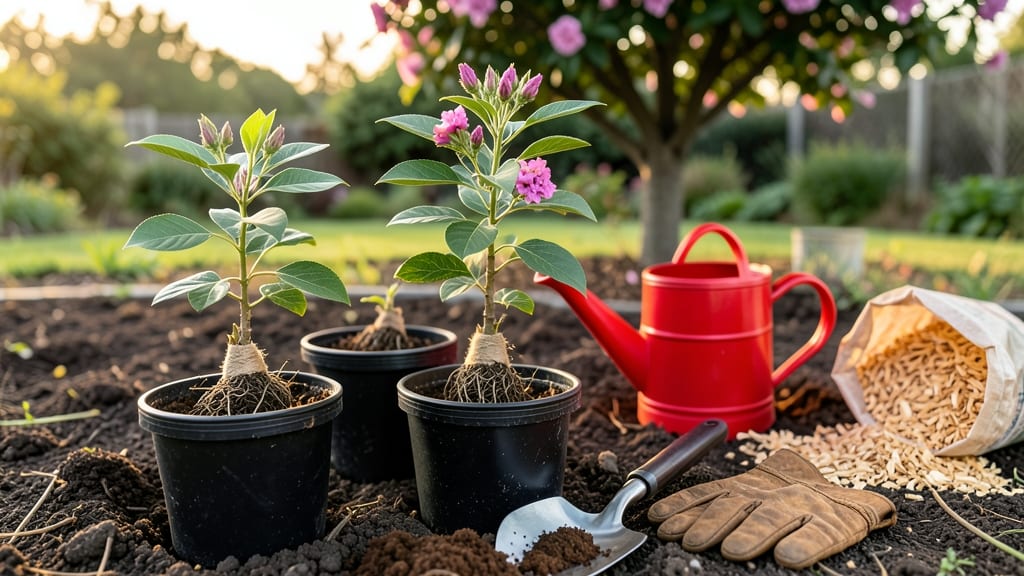
Planting crape myrtles in Oklahoma isn't just about timing—it's about matching your 🌱 to the state's unpredictable heat zones. Get the schedule wrong, and you might end up with stunted growth or no blooms at all, despite all your hard work.
With Oklahoma's USDA zones ranging from 6-8, the ideal window shifts depending on where you live. Northern areas need to plant earlier to avoid late spring frosts, while southern regions can push planting later into the season.
I'll break down exactly when to get your crape myrtles in the ground for maximum success.
The key is planting when soil temperatures hit 60°F—warm enough to encourage root growth but not so hot that young plants struggle. This usually falls between March and May, but local microclimates can change everything. Let's explore how to read your climate's signals.
Even if you miss the perfect window, don't worry—container planting and strategic mulching can extend your opportunities. I'll share how to give your crape myrtles the best possible start, no matter when you get them in the ground.
Best planting windows for Oklahoma crape myrtles by heat zone
Oklahoma’s USDA zones 7a-8b create a unique challenge for planting crape myrtles—too early, and frost threatens young roots, while too late risks summer heat stress before roots establish.
The key is matching your local heat zone to the ideal planting window of early spring or late fall, when soil temperatures hover between 60°F and 70°F.
In northern Oklahoma (zone 7a), aim for April to early May, while southern areas (zone 8b) can extend windows until June or even early July.
For container-grown crape myrtles, flexibility increases—you can plant as late as mid-summer in southern Oklahoma, provided you provide consistent moisture and afternoon shade. However, bare-root plants demand stricter timing, as their roots need 4-6 weeks to establish before summer’s brutal heat arrives.
Always check your local average last frost date (typically March 15-April 15 in OK) and add a 2-3 week buffer for safety.
Here’s how to align your planting with Oklahoma’s heat zones for maximum success:
| USDA Zone | Best Planting Window | Soil Temp Goal | Key Consideration |
|---|---|---|---|
| 7a (Northern OK) | April 1–May 15 | 60°F–65°F | Frost risk until late April |
| 7b (Central OK) | March 20–May 1 | 65°F–70°F | Balanced frost/heat risk |
| 8a (Southern OK) | April 15–June 1 | 70°F–75°F | Extended heat tolerance |
| 8b (Southeast OK) | April 1–July 15 | 75°F+ (containers) | Late planting with shade |
Late fall planting (October–November) is also viable in zones 7b-8b, but stop by November 15 to allow roots to harden before winter. In zone 7a, fall planting is riskier due to earlier frosts—opt for bare-root plants and protect with mulch if attempting it.
Pro tip: Use a soil thermometer to confirm temperatures—60°F+ is ideal for root growth.
Microclimates matter! Urban areas like Oklahoma City often experience 5°F warmer soil temps than rural zones, while mountainous regions (e.g., Ozark Plateau) may need 2-3 weeks later planting.
Adjust based on your yard’s sun exposure—south-facing slopes warm faster, while north-facing areas stay cooler longer. Always prioritize well-draining soil, as crape myrtles hate soggy roots.
For container crape myrtles, extend your window by 4-6 weeks—they warm up faster and can handle July planting in southern Oklahoma if given daily watering and afternoon shade.
Just remember: container roots dry out 3x faster than in-ground plants, so monitor moisture closely. Use fabric pots for better aeration if pushing late-season limits.
One common mistake? Planting too early in cool, wet springs. Crape myrtles rot in cold, soggy soil, so wait until soil is workable (not muddy) and daytime temps stay above 55°F.
A simple fist test works: If soil crumbles when squeezed, it’s ready. If it sticks, wait 1-2 weeks. Patience here prevents root rot and sets up a stronger plant for summer blooms.
If you’re in transition zones (7a/7b or 8a/8b), split your planting: 50% in early spring (March) and 50% in late spring (May) to hedge against unpredictable weather. This two-phase approach ensures at least one batch thrives, even if one window fails.
For new gardeners, start with container crape myrtles—they’re forgiving and let you experiment with timing without risking a full yard.
Remember: Pruning timing matters too! If you plant in late spring (May–June), delay pruning until next winter to avoid stressing the plant during its first critical growth phase. For fall plantings, prune lightly in late winter to encourage strong spring regrowth. Always use
Best planting windows for Oklahoma crape myrtles by heat zone
Oklahoma’s USDA zones 7a-8b create dramatic differences in planting success for crape myrtles. In northern OK (7a), cooler springs delay soil warming, while southern OK (8b) faces early heat stress.
My rule of thumb? Plant when soil temperatures hit 60°F—that’s your sweet spot for root establishment before summer’s brutal heat.
The ideal window spans mid-April to early June for most regions, but timing shifts based on microclimates. For example, Tulsa’s 7b zone allows late-May plantings, while Oklahoma City’s 7a demands earlier action. Let’s break it down by zone for foolproof results.
| Zone | Ideal Planting Window | Soil Temp Goal | Key Consideration |
|---|---|---|---|
| 7a (OKC, Stillwater) | Mid-April to early May | 60-65°F | Frost risk until late May |
| 7b (Tulsa, Lawton) | Late April to early June | 60-68°F | Balanced spring warmth |
| 8a (Ada, Ardmore) | Early April to late May | 65-70°F | Early heat arrives by June |
| 8b (McAlester, Texarkana) | Late March to early May | 65-72°F | Longer frost-free season |
Fall plantings are possible but risky—October’s last window works in 8b zones, but northern areas face early frost threats. My test? Bury a thermometer in moist soil—if temps drop below 50°F at night, delay planting.
Container-grown crape myrtles adapt better to late starts, but bare-root plants need 6+ weeks of warm soil to thrive.
For container planting, extend your window by 4-6 weeks—pots warm faster than ground soil. Just ensure containers have drainage holes and use lightweight potting mix. I’ve seen June plantings succeed in containers when paired with 50% shade cloth during the hottest afternoons.
Pro tip: Amend native Oklahoma clay with compost and perlite to improve drainage. These trees hate soggy roots, and our summer downpours can turn planting holes into mud pits. Aim for well-draining soil with a pH of 5.5-6.5—most native Oklahoma soil needs adjustment.
Watch for: Leaf scorch in early plantings (sign of heat stress) or blackened stems from late frosts. Both mean you planted at the wrong time. Adjust your schedule based on local weather forecasts—I always check the NOAA’s Oklahoma climate maps for real-time soil temp data.
For new gardeners, I recommend bare-root plantings in early May—they establish faster than potted trees. If you’re in zone 7a, mark your calendar for April 15th as your deadline.
In zone 8b, you’ve got until May 10th to plant without stress. The key? Soil temperature > air temperature—always prioritize root comfort over calendar dates. 🌱