
Plants
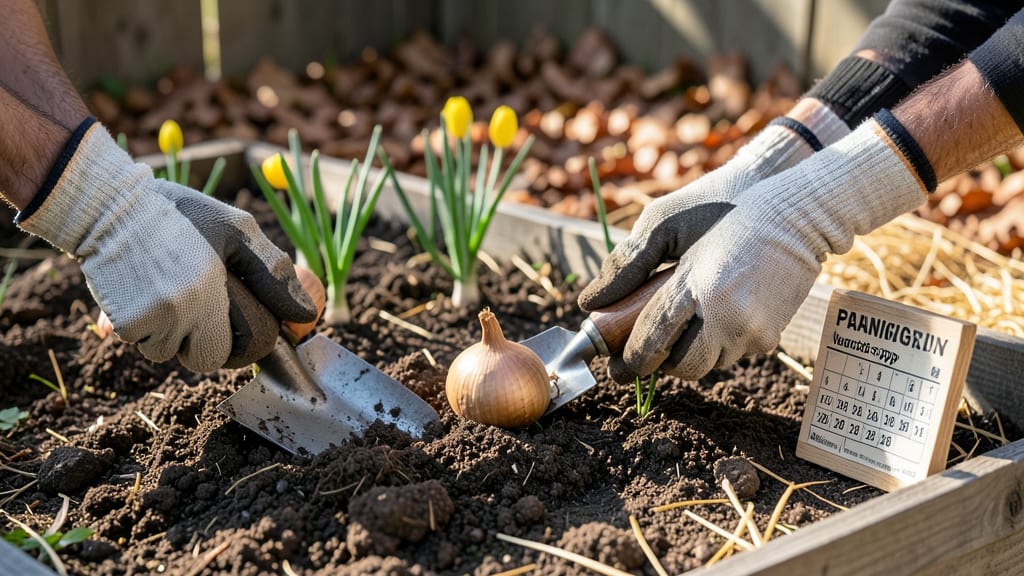
Planting daffodils in Portland, Oregon, isn’t just about avoiding frost—it’s about matching your bulbs to the city’s chill-hour zones for reliable spring blooms. With USDA Zone 8a weather, timing your 🌼 daffodil planting between September and November ensures they get the cold snap they need to thrive.
Most gardeners focus on frost dates, but Portland’s microclimates mean your bulbs might need an extra 4-6 weeks in the ground before winter sets in.
Whether you’re prepping for a sunny urban yard or a shadier spot, understanding these nuances is the key to vibrant 🌼 daffodils that return year after year.
I’ve tested the best strategies for Portland’s soil and weather, from mulching to container planting, so you can skip the guesswork. Let’s break down exactly when to plant—and how to protect your bulbs from late frosts—so your garden bursts into color by April.
Ready to transform your yard? These 3 simple steps will give you the confidence to plant at the perfect moment, no matter where you live in the city. Let’s get started!
Portland’s ideal daffodil planting timeline by chill-hour zones
Portland’s USDA Zone 8a-9a climate means daffodils need 300-500 chill hours to bloom reliably. Unlike frost dates, chill hours measure cold exposure below 45°F—critical for breaking dormancy. Most Portland areas accumulate enough chill by late November, but timing varies by microclimate.
For reliable spring blooms, plant bulbs 6-8 weeks before ground freeze (typically mid-September to November). Pre-chilled potted daffodils can go in earlier (August), but bare bulbs need soil temps below 60°F to root properly.
Urban heat islands (like downtown) may need earlier planting (September), while cooler areas (e.g., Sauvie Island) can wait until late October. Always check soil temperature—use a soil thermometer to confirm it’s below 60°F at 4" depth.
| Planting Window | Chill Hours Needed | Portland Microclimate | Action |
|---|---|---|---|
| Late August - Early September | 300+ (pre-chilled bulbs) | Urban heat islands (downtown) | Plant potted daffodils; mulch heavily |
| Mid-September - October | 400-500 (bare bulbs) | Most residential areas | Plant bare bulbs 6" deep; water deeply |
| Late October - November | 500+ (cool microclimates) | Cooler areas (Sauvie Island, hills) | Plant bulbs; add extra mulch for insulation |
| December (emergency) | Not recommended | Anywhere | Only if soil is workable; use winter mulch |
Bare bulbs need 6-8 weeks to establish roots before winter. If you miss the September-October window, wait until December—but expect smaller blooms the first year. Always plant pointy-end up and 3x deeper than bulb height (typically 6-8 inches).
For container gardening, use well-draining pots with sand/perlite mixes. Plant bulbs closer together (2-3" apart) and keep pots in shade until roots form. Move containers to sunny spots in spring to trigger blooming.
Pro tip: Mark your planting spots with flags or stakes—Portland’s winter rains can wash away mulch, exposing bulbs to rot. Use gravel or pine needles as a drainage layer before adding mulch.
After planting, water deeply once to settle soil. Avoid overwatering—daffodils rot in soggy soil. In late fall, add 2-3 inches of mulch (straw or leaves) to insulate bulbs from freeze-thaw cycles.
Remember: Chill hours > frost dates. Even if frost hits early, bulbs need cold exposure to bloom. Use a thermometer to track chill accumulation—aim for 400+ hours by January for reliable spring color.
For late-blooming varieties (like 'Ice Follies'), plant earlier (September). Early bloomers (like 'Tête-à-Tête') can wait until October. Always check the chill-hour requirements on your bulb packaging.
🌼 Portland’s chill-hour magic turns fall planting into spring’s golden reward—just time it right!
How to adjust planting for Portland’s microclimates and soil conditions
Portland’s volcanic soil and urban heat islands create unique challenges for daffodil planting. While the city sits in USDA Zone 8a-9a, microclimates can shift planting windows by 2-4 weeks. Urban areas often stay 5-10°F warmer than rural zones, delaying frost and extending the planting window.
For containers, plant daffodils 4-6 weeks earlier than ground planting (late August) since pots warm faster. Use well-draining mixes with perlite to prevent bulb rot—a common issue in Portland’s wet winters. In-ground plantings should wait until mid-September to avoid waterlogged soil.
🌱 Portland-Specific Planting Adjustments
- Plant 2-3 weeks later (mid-October)
- Use mulch heavily to offset heat
- Choose early-blooming varieties
- Plant 4-6 weeks earlier (late August)
- Raise beds 6+ inches for drainage
- Avoid low-lying spots that flood
- Plant late August (4-6 weeks early)
- Use pots with drainage holes
- Move to shade in summer to prevent overheating
- Amend with compost + sand (50/50)
- Plant on mounds for drainage
- Add gypsum if soil tests high in clay
Portland’s volcanic soil often compacts easily, so loosen the soil to 6-8 inches deep before planting. Mix in compost or aged manure to improve drainage—daffodils hate soggy roots. If your soil is heavy clay, create raised beds or plant on slopes to prevent water pooling.
For late frosts (common in Portland’s April), protect newly planted bulbs with straw mulch (4-6 inches thick). This insulates roots without suffocating them. In urban areas, where nights stay warmer, you can push planting to early November—just monitor weather forecasts.
Remember: Pre-chilled bulbs (from nurseries) can handle late planting (December), but fresh bulbs need 6-8 weeks in the ground before frost. Test your soil’s drainage by digging a hole—if water pools after 6 hours, amend the site before planting.
Finally, avoid planting near large trees or structures that create microclimates. South-facing slopes warm faster, while north-facing areas stay cooler—adjust your timing accordingly. With these adjustments, your daffodils will thrive despite Portland’s quirks! 🌸