
Flowers
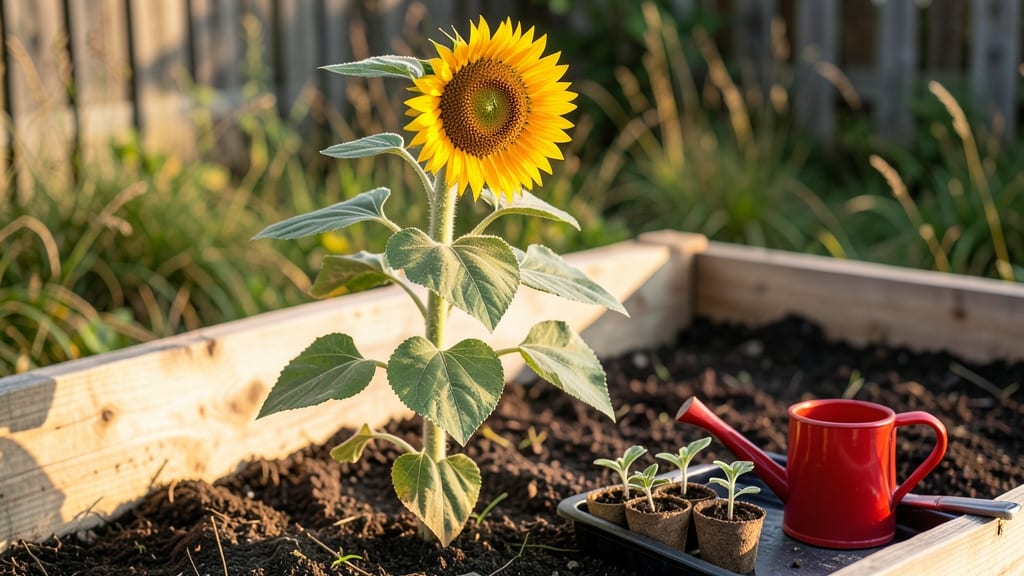
Planting sunflowers in Texas at the wrong time means watching them wilt before they ever reach their towering, 12-foot glory. The key to bold blooms lies in timing—whether you're in North Texas's cooler climate or South Texas's scorching heat.
I've grown sunflowers across Texas, and the difference between a thriving 🌻 and a sad, drooping plant comes down to one thing: planting them when the soil is warm enough to support rapid growth but before summer's relentless heat takes over.
Let me show you exactly when to start seeds or set out transplants in your specific region.
Most Texas gardeners plant sunflowers in late spring, but the exact window varies by zone. In North Texas, you can start as early as March, while South Texas gardeners should wait until April or even May to avoid early-season heat stress.
The goal? Get those seeds in the ground 60-90 days before your first expected frost.
Whether you're aiming for giant varieties or compact cutting sunflowers, this guide will help you pick the perfect planting time for your Texas heat zone. Let's dive into the details so you can enjoy sunflowers that stand tall all summer long.
Texas heat-zone planting calendar for sunflowers (with frost & heat deadline maps)
Texas gardeners know sunflowers 🌻 love the heat—but timing is everything. Plant too early, and a late frost will fry your seedlings. Wait too long, and summer’s scorching winds will stunt their growth.
The key is knowing your Texas heat zone, which dictates when to plant for 60-90 day bloom windows before summer’s peak.
Sunflowers thrive in USDA Zones 7-11, but Texas spans three distinct regions: North (cooler springs), Central (moderate), and South (hot year-round). Each has unique frost dates and heat thresholds that determine the perfect planting window.
For example, North Texas can start in late March, while South Texas waits until mid-April to avoid early heat stress.
Here’s your region-by-region guide with frost-free deadlines and ideal planting dates to ensure sunflowers reach their full 5-12 foot height before summer’s worst heat arrives.
| Texas Region | USDA Zone | Last Frost Date | Ideal Planting Window | Bloom Window | Heat Warning |
|---|---|---|---|---|---|
| North Texas | 7-8 | March 15-April 1 | Late March to early April | June-August | Avoid planting after May 15 |
| Central Texas | 8a-9a | February 15-March 15 | Mid-March to early April | May-July | Use shade cloth after June 1 |
| South Texas | 9a-11 | January 15-February 15 | Mid-April to May 1 | July-September | Plant only after soil reaches 65°F |
For North Texas gardeners, aim to plant 4-6 weeks before your last frost date (typically March 15-April 1). This gives sunflowers enough time to sprout before temperatures rise above 85°F, which can stunt growth.
Varieties like 'Autumn Beauty' thrive in these conditions and produce multi-colored blooms that last through summer.
Central Texas offers a longer window due to milder springs. Planting between mid-March and early April ensures blooms by May-July, avoiding the brutal 100°F+ afternoons of August. Choose drought-tolerant varieties like 'ProCut' if you’re in Zone 8a, as they handle heat better than standard types.
South Texas gardeners have the latest planting window—wait until mid-April to May 1 to avoid early heat stress. The soil must reach 65°F+ for seeds to germinate. Varieties like 'Moulin Rouge' (red blooms) perform well here and can handle consistent 90°F+ days with proper watering.
Regardless of your region, succession planting every 2-3 weeks after your initial window extends your bloom time. For example, a North Texas gardener could plant March 15, April 1, and April 15 for blooms spanning June through August.
This strategy works especially well for cut flower gardens or pollinator-friendly landscapes.
Always check your local AgriLife Extension for micro-climate adjustments. Urban areas like Austin or San Antonio may have 5-10°F warmer microclimates than rural zones, shifting your ideal planting window by 1-2 weeks. Use a frost calendar from your county’s extension office for precision.
Finally, avoid planting sunflowers in late summer (after June 1 in North Texas or July 1 in South Texas). The long days and intense heat can cause bolting (rapid stem elongation) without proper bloom development.
Stick to the spring window for the most reliable, towering sunflowers that bring joy all summer long.
How to extend your Texas sunflower season (succession planting & heat-tolerant varieties)
Texas summers can be brutal for sunflowers—90°F+ temperatures and drought conditions often cause them to bolt or wilt before flowering. But with the right succession planting and heat-tolerant varieties, you can enjoy sunflowers from spring through fall without losing your investment to the heat.
Start by choosing drought-resistant varieties like 'Moulin Rouge' (deep red blooms) or 'ProCut' (compact, great for containers). These varieties thrive in high heat and low water conditions, making them ideal for Texas gardens. Pair them with succession planting to stretch your harvest window.
Here’s how to extend your sunflower season like a pro:
Plant sunflowers in 3-week intervals from March to July. This ensures a continuous bloom cycle and prevents all your plants from maturing at once.
Use 30-50% shade cloth during peak afternoon heat (12 PM–4 PM) to protect young seedlings. This slows bolting and keeps plants healthier longer.
Apply 3–4 inches of mulch (straw or wood chips) to retain soil moisture and regulate root temperature. This is especially critical in South Texas, where heat radiates from the ground.
Water deeply at the base using drip lines to avoid leaf scorch. Early morning watering (6–8 AM) minimizes evaporation and fungal risks.
After flowering, prune spent blooms to redirect energy to seed production. Leave 1–2 mature heads for seeds, but harvest the rest to encourage new growth.
For North Texas gardeners, focus on early spring and late summer plantings to avoid late frost (March) and early heat spikes (August). In Central and South Texas, you can push plantings into September for a fall harvest before winter sets in.
Pro tip: Interplant sunflowers with heat-loving companions like marigolds or zinnias to attract pollinators and deter pests. This keeps your garden vibrant and productive all season long.