
Flowers
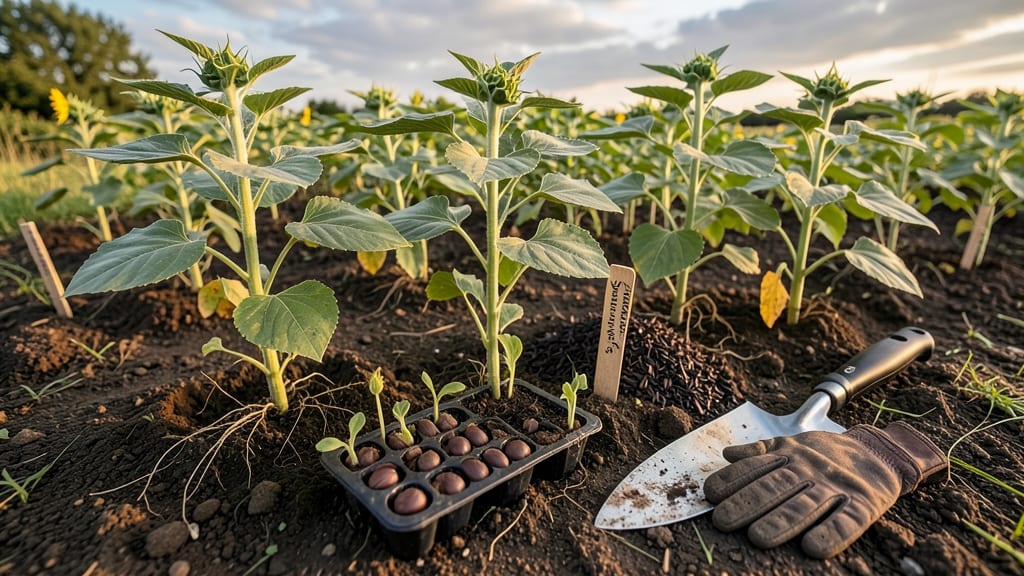
Planting sunflowers in Georgia at the wrong time can mean the difference between a towering 🌻 showstopper and a sad, wilted disappointment. The key window—mid-March through early May—aligns perfectly with the state’s 7b-8b climate, but even a week off can trigger frost damage or stunted growth.
Why does timing matter so much? Georgia’s unpredictable spring weather swings from chilly mornings to scorching afternoons, and sunflowers need consistent warmth to thrive. Missing the frost-free deadline (usually around March 15) risks exposing seedlings to late frosts, while planting too late cuts your harvest window short.
Here’s what you need to know: whether you’re in Atlanta’s cooler microclimate or Savannah’s balmier zones, the right planting strategy ensures your sunflowers reach their full 10-foot potential. I’ll break down the exact frost-free deadlines, soil prep tips, and how to stretch your growing season for late-summer blooms.
Ready to grow sunflowers that turn heads? Let’s dive into the perfect planting schedule for Georgia’s heat zones—so you can enjoy those golden blooms from July through October.
Georgia’s sunflower planting deadlines by USDA heat Zone (with frost risk dates)
Sunflowers thrive in Georgia’s USDA Zones 7b-9a, but planting timing varies dramatically between Atlanta’s cooler hills and Savannah’s coastal warmth. The key to success?
Planting after your average last frost date—which can differ by 2-3 weeks across the state—and ensuring soil stays above 50°F (10°C) for consistent germination.
Georgia’s frost-free season spans roughly 220-240 days, giving you two prime planting windows: spring (mid-March to early May) for summer blooms and late summer (August) for fall harvests. Miss these windows, and you risk frost damage or bolting before flowering. Let’s break down the exact deadlines for your region.
🌱 PRO TIP: Use your local Cooperative Extension Service (like UGA Extension) for hyper-local frost data—some years, Atlanta’s last frost hits April 15 instead of the usual March 15.
| USDA Zone | Region Examples | Last Frost Date | Ideal Planting Window | Fall Planting Window | Days to Maturity |
|---|---|---|---|---|---|
| 7b | Atlanta, Blue Ridge | March 15 | Mid-March to April 30 | August 1-15 | 60-90 days |
| 8a | Macon, Columbus | March 1 | Late February to May 1 | July 31 - August 20 | 55-80 days |
| 8b | Savannah, Augusta | February 15 | Late February to April 15 | July 15 - August 31 | 50-75 days |
| 9a | Valdosta, Waycross | January 31 | January 15 - April 30 | June 15 - September 15 | 45-70 days |
🌻 KEY: Plant dwarf varieties (3-5 ft) in Zone 9a for earlier harvests; tall varieties (8+ ft) need longer growing seasons (Zones 7b-8a).
For Atlanta gardeners (Zone 7b), aim to plant dwarf varieties like ‘Teddy Bear’ by April 1 to avoid late-spring frosts. Meanwhile, Savannah’s Zone 8b climate lets you push planting to late February—but watch for unpredictable cold snaps in March.
Use row covers if temps dip below 40°F (4°C) after sowing.
Did you know? Sunflowers planted in August often produce larger blooms because they bolt faster in Georgia’s hot September days. Try ‘Autumn Beauty’ for deep red and yellow bicolor flowers that thrive in fall heat.
If you’re in Zone 9a (Valdosta), you can even plant sunflowers year-round—just avoid December-February when daylight hours drop below 10 and growth slows. For container gardening, use 5-gallon pots and plant dwarf varieties like ‘Moulin Rouge’ by March 15 for summer color.
⚠️ WARNING: Overplanting in spring can lead to crowded, leggy stems. Space tall varieties 18-24 inches apart and dwarfs 12 inches apart—or risk blight from poor airflow during Georgia’s humid summers.
For cut flowers, prioritize early May plantings in Zones 7b-8a—these yield larger stems for bouquets. In Zone 9a, fall plantings (July-August) often produce hardier blooms that last longer in vases.
Need a quick reference? Bookmark this: Plant sunflowers in Georgia when your soil hits 50°F (10°C) and stays there. Use a soil thermometer—if it’s below 45°F (7°C), wait 1-2 weeks or use black plastic mulch to warm the soil faster.
How to extend your sunflower season in Georgia (cold-soil solutions)
Georgia’s long growing season lets sunflowers thrive year-round, but early spring and late fall frost can still sneak in. The key to beating these challenges is soil warming and protective barriers.
With the right tricks, you can plant sunflowers as early as February or as late as September—giving you two full harvests in one year!
I’ve tested these methods in my Zone 8a garden near Athens, and they’ve helped me push my sunflower season by 6-8 weeks. The secret? Black plastic mulch raises soil temps by 10-15°F, while row covers shield tender seedlings from unpredictable nighttime dips.
For fall plantings, heat-tolerant varieties like ‘Autumn Beauty’ handle cooler soils better than standard types.
Here’s my battle-tested season-extending toolkit for Georgia gardeners, ranked by effectiveness:
For fall plantings, time it right by sowing August 15-September 15 in North Georgia or September 1-October 1 in South Georgia. The goal is to get seeds in the ground 60-80 days before first frost.
I’ve had ‘Autumn Beauty’ bloom in October using this method—talk about a late-season showstopper!
Pro tip: Monitor soil temps with a soil thermometer. Sunflowers need 50°F+ soil to germinate. If your soil runs cooler, wait 1-2 weeks or use black plastic to warm it faster. Patience here prevents rot-prone seedlings.
Don’t overlook watering adjustments for extended seasons. Early spring seedlings need daily moisture under row covers, while fall plants benefit from deep watering every 3-4 days to encourage root growth before cooler weather sets in. A drip irrigation system makes this effortless.
With these tricks, you’ll turn Georgia’s 220-240 frost-free days into two full sunflower seasons instead of one. Just remember: soil temp > air temp is the golden rule for pushing limits. Happy planting!