
Flowers
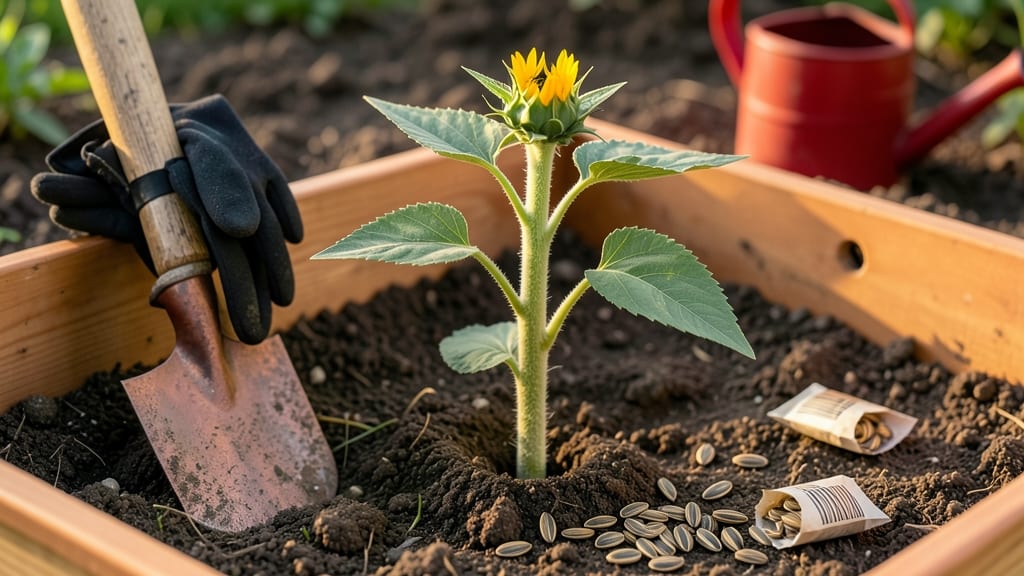
Planting sunflowers in Louisiana isn’t just about sticking seeds in the dirt—it’s about timing them perfectly to beat the heat and frost. If you miss the window, your towering 🌻 might bolt too fast or wilt before blooming.
I’ve grown sunflowers here for years, and the difference between a thriving garden and a sad, stunted one comes down to these two key planting seasons: spring and fall.
The best time to plant sunflowers in Louisiana’s 8a-9b zones is after your last frost date—typically by mid-February for spring planting—or in late summer, around August, for a fall harvest. Skip the summer months, and you’ll risk wilting plants or premature flowering.
I’ll show you exactly how to align your schedule with Louisiana’s climate for sunflowers that reach their full, radiant potential.
Here’s the game-changer: sunflowers don’t need to start indoors. You can plant them directly in the ground, but choosing the right variety makes all the difference. Heat-tolerant types like ‘Autumn Beauty’ thrive in Louisiana’s summer, while ‘Russian Giant’ needs cooler spring or fall conditions.
Let’s break down the best varieties and planting deadlines so you can grow sunflowers that stand tall and proud all season long.
Ready to grow sunflowers that turn heads? I’ll walk you through the exact months to plant, how to prepare your soil, and even how to extend your growing season.
Whether you’re a beginner or a seasoned gardener, these tips will help you avoid common mistakes and enjoy sunflowers from June through December—no guesswork required.
Louisiana heat zones and sunflower planting deadlines by month
Louisiana’s USDA zones 8b-9a create a unique growing window for sunflowers, where heat and humidity demand precise timing. Unlike cooler climates, sunflowers here can bolt if planted too early or wilt in summer’s peak if sown too late.
My goal? Help you nail those planting deadlines for bold, healthy blooms all season long.
The last average frost date in Louisiana typically falls between late February and early March, while the first frost arrives around late November to early December.
This gives us a 240-280 frost-free day window—perfect for two planting seasons: spring and fall. Let’s break it down month by month.
🌱
| Season | Planting Window | Soil Temp | Heat Zone Tip |
|---|---|---|---|
| Spring | February 15 - April 15 | 60°F+ | Plant after last frost; avoid April heatwaves. |
| Early Summer | May 1 - June 15 | 70°F+ | Use shade cloth for seedlings. |
| Fall | August 1 - September 15 | 75°F+ | Sow 8-10 weeks before first frost for late blooms. |
| Late Fall | September 16 - October 15 | 65°F+ | Choose fast-maturing varieties only. |
For spring planting, I recommend starting seeds indoors 4-6 weeks before your last frost date if you’re in Zone 8b. In Zone 9a, you can sow directly outdoors as early as mid-February, but monitor soil temperatures—below 55°F can stunt germination.
If you’re aiming for summer blooms, direct-sow seeds in early May after the soil has warmed to at least 70°F. This avoids the April heat stress that can cause seedlings to wilt.
For fall sunflowers, plant in August to ensure blooms appear before the first frost in November.
Pro tip: Louisiana’s humidity levels can lead to fungal issues like powdery mildew. To combat this, I always space seeds 6-12 inches apart and use well-draining soil mixed with compost. This improves airflow and reduces moisture retention around the stems.
🌿
Direct sowing is the best method for sunflowers in Louisiana, as they hate transplanting. However, if you’re growing dwarf varieties like ‘Moulin Rouge’, you can start them indoors in early February for a head start. Just be sure to harden them off for 7-10 days before moving outdoors.
For tall varieties like ‘Russian Giant’, which can reach 12-16 feet, plant them in early spring or late summer to avoid wind damage during Louisiana’s thunderstorm season. Stake them early or use cage supports to keep them upright.
🪴
One common mistake I see is planting sunflowers too close to summer’s peak. If you sow seeds after June 15, the intense heat can cause the plants to bolt prematurely or produce small, underdeveloped blooms.
Instead, aim for early summer or fall plantings to maximize your chances of show-stopping sunflowers.
Finally, keep an eye on your local weather forecasts. Louisiana’s climate can shift quickly—what starts as a mild spring can turn into a sudden heatwave. If you notice your seedlings wilting in 90°F+ temperatures, provide afternoon shade with a lightweight row cover until they establish deeper roots.
With these deadlines and tips, you’ll be well on your way to growing sunflowers that rival Louisiana’s skyline—tall, vibrant, and full of life! ☀️
How to extend your sunflower season in Louisiana’s humid heat
Louisiana’s humid heat and high summer temperatures can stress sunflowers, causing premature bolting or fungal diseases. But with the right strategies, you can keep your sunflowers thriving from spring to fall.
Start by choosing shade-cloth solutions for young plants during peak afternoon heat—this prevents wilting while still allowing 6+ hours of morning sun.
Another key tactic is deep, infrequent watering. Sunflowers are drought-tolerant once established, but shallow roots need 1-2 gallons per week during growth. Water early in the morning to avoid fungal risks from evening moisture.
Mulch around the base with 2-3 inches of straw to retain moisture and regulate soil temperature.
- Use 30-50% shade cloth for seedlings during 10 AM–4 PM in June–August.
- Plant companion crops like marigolds or basil to deter pests and improve airflow.
- Apply balanced fertilizer (10-10-10) every 4-6 weeks during growing season.
- Avoid overhead watering—use drip irrigation to keep foliage dry.
- Harvest seed heads early in fall to prevent bird damage before first frost.
For fall planting, aim for August–September sowing to ensure blooms before December’s first frost. Choose heat-tolerant varieties like ‘Autumn Beauty’ or ‘Teddy Bear’—they handle 90°F+ temperatures better than standard types.
If you notice yellowing leaves, it could signal nutrient deficiency or overwatering. Adjust care by reducing water and adding a light nitrogen boost.
One of my favorite tricks is succession planting. Sow new seeds every 2 weeks from February to May and again in August to enjoy continuous blooms. This spreads out your harvest and reduces pressure on any single plant.
Just ensure each batch gets full sun exposure—even partial shade can stunt growth in Louisiana’s climate.
Finally, watch for common pests like aphids or sunflower moths. A neem oil spray or soapy water solution works wonders without harming pollinators. With these adjustments, your sunflowers will reach their full height and radiant color—even in Louisiana’s toughest heat!