
Plants
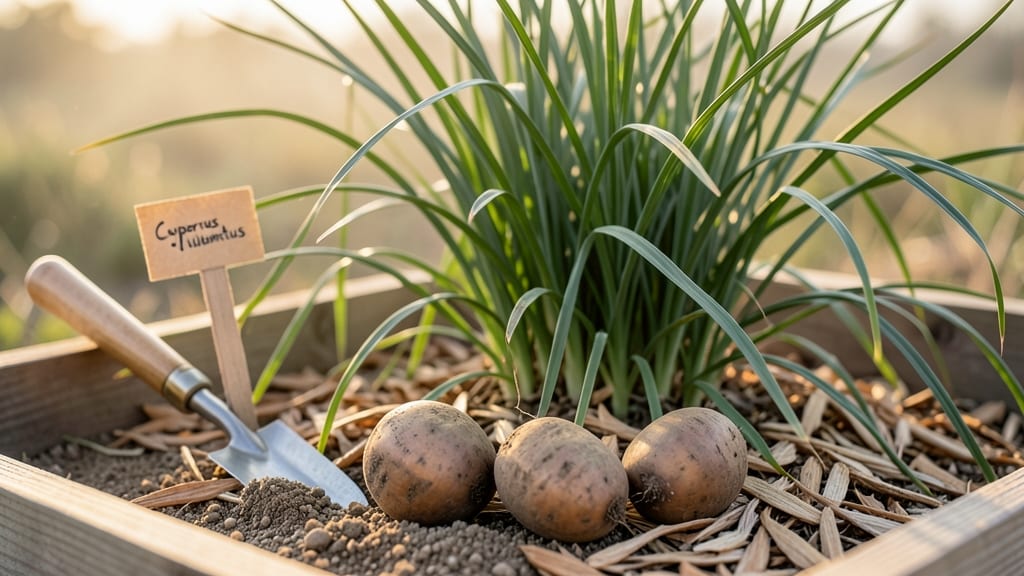
Planting chufa in Georgia comes down to one critical question: Can you beat the frost while avoiding summer's scorching heat? These tiger nuts 🌾 need precise timing to thrive in your 7b-8b zone, where late frosts linger into March and humidity spikes by May.
I've learned the hard way that planting too early risks frost damage to delicate sprouts, while waiting too long means stunted growth from Georgia's relentless summer sun.
The sweet spot? A March-April window that balances soil warmth with moisture—just as the last frost passes and before temperatures climb past 85°F.
What makes this even trickier is Georgia's regional variations: Atlanta's urban heat islands warm faster than the mountains, creating microclimates where your neighbor's perfect timing might fail you. Let me show you how to read your local frost dates and adjust for these differences.
By the end, you'll know exactly when to pop those chufa seeds in the ground for maximum yield—and how to stretch your growing season with simple tricks that work in Georgia's subtropical climate.
Georgia’s chufa planting timeline: frost risk vs spring heat tolerance
Georgia’s chufa (Cyperus esculentus) planting success hinges on understanding your USDA Zone 7b-8b and local frost patterns. The state’s last spring frost typically arrives between mid-March (north) and early March (south), while first fall frosts hit mid-November in most regions.
Planting too early risks frost damage to young sprouts, while waiting too long exposes tender seedlings to scorching summer heat.
For optimal chufa growth, aim to plant seeds 4-6 weeks before your last frost date. This window ensures tubers establish roots before soil temperatures exceed 85°F, which can stunt development.
In Atlanta’s urban heat islands, this might mean starting seeds indoors by late February, while mountain regions (Zone 7b) can plant directly outdoors in early April.
Here’s how Georgia’s regional microclimates impact your planting timeline:
| Region | USDA Zone | Last Frost Date | Ideal Planting Window | Heat Risk |
|---|---|---|---|---|
| North GA (Dalton, Blue Ridge) | 7b | Mid-April | Late March–Early April | Moderate (cooler nights) |
| Central GA (Atlanta, Macon) | 8a | Early April | Late February–March | High (urban heat) |
| South GA (Savannah, Valdosta) | 8b | Mid-March | February–Early March | Very High (humid heat) |
In Atlanta’s Zone 8a, I recommend starting seeds indoors by late February to transplant outdoors after April 15.
For Savannah’s Zone 8b, direct sowing in late February works well, but use shade cloth if temperatures exceed 90°F during seedling stages. Mountain regions like Dahlonega (Zone 7b) should wait until mid-April to avoid late frosts.
Adjust your timeline if you’re using raised beds, which warm up 2-3 weeks faster than in-ground soil. Test soil temperatures with a thermometer—chufa seeds need 60°F+ to germinate. In sandy soils, which dry out quickly, plant 1-2 weeks earlier to capitalize on spring moisture.
For extended harvests, stagger plantings every 2-3 weeks between February and April. This ensures a continuous supply of tiger nuts from August through October, avoiding the peak summer drought that can stress mature plants.
In drier years, prioritize April plantings to align with Georgia’s natural rainfall patterns.
Watch for false springs—unexpected cold snaps in March can still damage young chufa. Use row covers or mulch to insulate soil and protect seedlings. In cooler microclimates, like near lakes or elevation changes, delay planting by 1-2 weeks to account for slower soil warming.
If you miss the spring window, consider fall planting in September for a winter harvest. However, chufa requires 120-150 days to mature, so fall plantings must be timed to avoid first frost.
In Zone 8b, this means planting by September 15 for a late November harvest before dormancy sets in.
Pro tip: Use a planting calendar like the Georgia Climate Project’s frost maps to track local trends.
For example, Athens (Zone 8a) averages 3 late frosts in April, so I recommend waiting until April 10 for direct sowing. Track your own data for 2-3 years to refine your timing—Georgia’s climate varies yearly!
Remember, chufa thrives in heat but struggles with waterlogged soil. In humid Georgia summers, prioritize well-draining soil and drip irrigation to prevent tuber rot. With the right timing, you’ll enjoy bountiful harvests of this drought-tolerant, nutrient-rich crop.
How to calculate your local chufa planting window using Georgia’s climate data
Georgia’s microclimates can vary drastically—from Atlanta’s urban heat islands to the mountainous north—so a one-size-fits-all approach won’t work. To pinpoint your ideal planting window, start by checking your USDA zone (7b-8b) and cross-reference it with NOAA frost data for your county.
For example, North Georgia (Zone 7b) typically sees its last frost around March 15, while South Georgia (Zone 8b) can plant as early as February 15.
Next, monitor soil temperatures—chufa seeds need consistent 60°F+ soil to germinate. Use a soil thermometer or check local agricultural extension reports (like UGA’s climate tool) for real-time updates.
If your soil is still below 60°F by late March, opt for raised beds, which warm up faster than in-ground soil.
📋 Step-by-Step Planting Window Calculation
- Step 1: Check your last frost date (NOAA or local extension office).
- Step 2: Add 4-6 weeks to your last frost date for safe planting.
- Step 3: Verify soil temperature ≥60°F (use a thermometer or online tools).
- Step 4: Adjust for heatwaves—if temps exceed 90°F, delay until late spring.
- Step 5: For raised beds, plant 2 weeks earlier than in-ground soil.
Don’t forget to account for Georgia’s summer heat. Chufa struggles with prolonged 90°F+ temperatures, so if your area hits consistent heatwaves by June, consider staggered plantings in February and April to spread out harvests.
For container growing, move pots to shadier spots during peak afternoon sun to prevent stress.
For urban gardeners in cities like Atlanta or Savannah, heat islands can push planting dates 1-2 weeks earlier than rural areas. Use weather apps (like Weather Underground) to track microclimate shifts and adjust accordingly.
If you’re in Zone 7b, err on the side of late March to avoid frost, while Zone 8b gardeners can safely start in early March.
Pro tip: Test your soil’s drainage before planting—chufa hates soggy roots. Amend heavy clay with compost or sand to improve aeration. Once your soil is prepped, plant seeds 1 inch deep, spacing them 6 inches apart in rows 12 inches apart to allow airflow and reduce disease risk.
Finally, keep an eye on local weather forecasts for unpredictable cold snaps, especially in North Georgia. If a late frost is forecasted after planting, use row covers or cold frames to protect young seedlings until they’re established.
With these steps, you’ll maximize your chufa’s growth potential and avoid common pitfalls like frost damage or summer heat stress.
🌱