
Plants
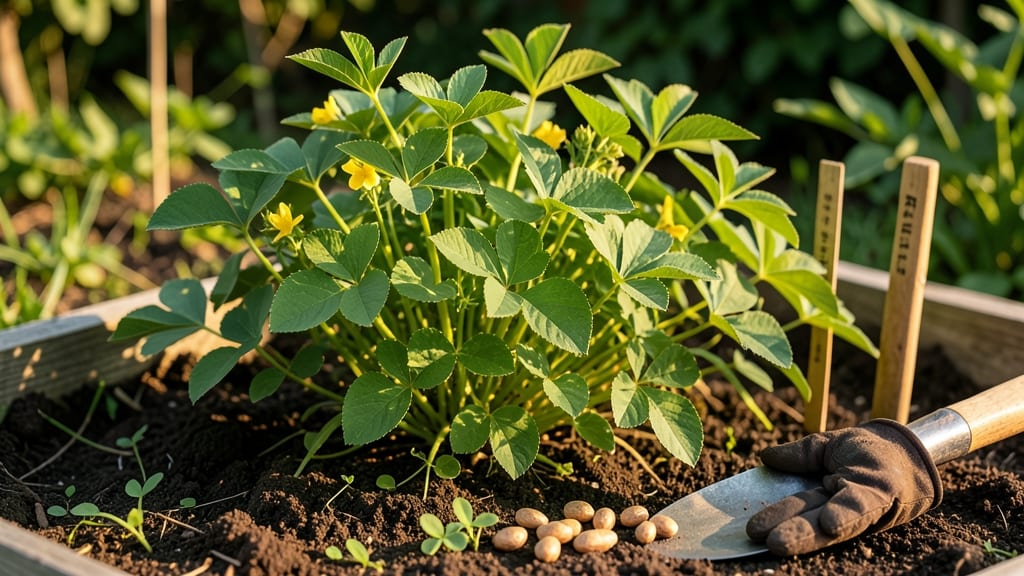
Planting peanuts in Georgia isn’t just about timing—it’s about catching that perfect window when the soil is warm enough to fuel their growth and the weather cooperates to avoid frost or drought.
If you’ve ever wondered why some gardeners get a bountiful harvest while others struggle, the answer often lies in when they planted their 🥜. The right schedule can mean the difference between thriving plants and wasted effort.
For Georgia’s 7b-8b climate zone, the ideal planting window runs from mid-April through mid-June, but there’s more to it than just dates. Soil temperature is the real game-changer—peanuts need the ground to be a steady 70°F or warmer before seeds go in.
Too early, and frost can still sneak in; too late, and you risk stunted growth before harvest season arrives.
I’ve learned that even within Georgia, regional microclimates play a huge role. Northern areas might need to wait until late April, while southern zones can start as early as March if the weather holds.
The key is balancing heat, moisture, and your local frost dates to give those peanuts the best shot at success.
Ready to unlock the secrets to a thriving peanut patch? Let’s break down exactly when to plant, how to prep your soil, and what to watch for—so you can enjoy a harvest from September through October without the guesswork.
Ideal planting windows for Georgia peanuts by region
Georgia’s diverse climate means peanut planting times vary dramatically from North to South. In USDA Zone 7b (North Georgia), your window is tight—wait until mid-April to early May when soil warms to 70°F+.
Meanwhile, Central Georgia (Zone 7b-8a) gardeners can start as early as late March, while South Georgia (Zone 8b) has flexibility until mid-June.
Peanuts are heat-loving legumes, and planting too early risks frost damage or stunted growth. The key is aligning your schedule with soil temperature, not just calendar dates. A soil thermometer is your best friend here—wait until readings hit 86°F+ at 2 inches deep for optimal germination.
For North Georgia growers, aim for April 15–May 15. This gives plants enough time to mature before fall frosts (typically mid-November).
In Central Georgia, you can push it slightly earlier (March 30–May 10), while South Georgia’s longer growing season lets you plant until June 15.
Pro tip: Use black plastic mulch to warm soil faster in cooler regions. This can shave 1–2 weeks off your planting timeline by raising soil temps by 5–10°F. Just be sure to remove it once plants emerge to prevent overheating.
For container growing, adjust your schedule by 2–3 weeks later. Pots heat up faster but also dry out quicker, so monitor soil moisture closely. If you’re in North Georgia, consider starting seeds indoors in late March and transplanting after the last frost (usually April 15).
Peanuts need 120–150 days to mature, so calculate backward from your first frost date. In South Georgia, you might even squeeze in a second planting in early June for a late-season harvest. Just ensure your plants get full sun (8+ hours daily) and well-draining soil to avoid rot.
Don’t forget: Peanut varieties like Virginia-type (larger pods) and Runner-type (drought-tolerant) have slightly different needs. Always check the seed packet for days to maturity and adjust your timeline accordingly. For example, Runner-types mature faster (90–110 days) and can handle later plantings.
If you’re in Central Georgia, split your planting into two batches: one in early April and another in mid-May. This staggered approach spreads out harvests and reduces risk from unpredictable weather.
Just mark your calendar for September–October harvests when foliage turns yellow and pods rattle when shaken.
Finally, watch your local weather forecasts in the weeks before planting. If rainfall is forecasted, delay planting by 1–2 weeks to avoid waterlogged soil, which peanuts hate
Key factors that determine your peanut planting timeline
Peanuts thrive in Georgia’s heat, but soil temperature is the #1 factor for successful planting. These legumes need consistent warmth to germinate—86°F (30°C) or higher at a 4-inch depth.
Without this, seeds rot instead of sprouting. I always check my soil with a thermometer before planting, especially in North Georgia where spring lingers cooler.
Another critical factor is moisture balance. Peanuts hate soggy soil but also struggle in drought. Aim for well-drained loamy soil with 60% sand—Georgia’s red clay needs amending with compost.
I test drainage by digging a hole: if water pools after 6 hours, amend with perlite or sand to improve airflow.
🌱
Georgia’s unpredictable spring weather adds another layer of complexity. I monitor NOAA forecasts for heat waves—if temperatures spike to 95°F+ (35°C) before planting, delay until conditions stabilize. Peanut seeds need steady warmth to avoid uneven germination.
For container growers, timing shifts slightly. Potted peanuts need warmer soil to compensate for heat loss. I plant mine 2 weeks later than in-ground varieties and use black plastic mulch to raise soil temps by 5–10°F. This trick extends the planting window into early June for small-scale growers.
Finally, don’t overlook microclimates. A south-facing slope in North Georgia might warm up faster than a valley. I once planted early on a sunny hillside in early April and got a full harvest—while my neighbor’s flat land struggled until May.
Scout your site for sun exposure and wind protection before finalizing dates.
☀️