
Plants
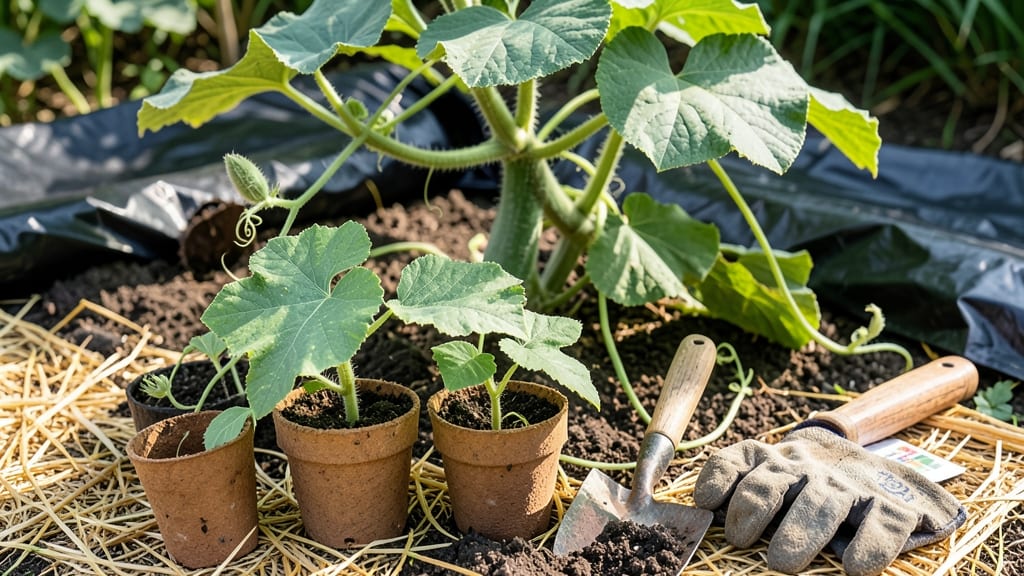
Planting cantaloupe in Michigan at the wrong time can mean the difference between a bountiful harvest of sweet, ripe melons and a sad pile of frost-nipped vines.
The key to success lies in waiting for that perfect frost-free window—typically between mid-April and early June, once soil temperatures hit a steady 60°F+.
For gardeners in USDA Zones 5b-6b, timing isn’t just about dates—it’s about heat and patience. Cantaloupe thrives in Michigan’s climate when given the right conditions, but rushing the process can lead to stunted growth or worse.
I’ve learned that even a few degrees too cool can delay fruiting by weeks, so knowing your local last frost date is non-negotiable.
What you’ll discover here is how to align your planting schedule with Michigan’s unpredictable weather patterns. From choosing the right varieties to extending your growing season with simple tricks, I’ll show you exactly when and how to plant for the juiciest 🍈 cantaloupe harvests—no guesswork required.
Whether you’re a first-time gardener or a seasoned pro, getting this right means fewer disappointments and more homegrown sweetness on your table by summer’s end. Let’s make sure your cantaloupe season starts—and stays—on the right track.
Michigan cantaloupe planting dates by USDA Zones 5b/6a (with frost risk alerts)
Cantaloupe thrives in Michigan’s USDA Zones 5b/6a, but timing is critical—frost kills seedlings instantly, while planting too late cuts harvests short. The 70-90 day growing season demands precise scheduling to avoid fall frosts that hit by mid-October.
For Detroit, Grand Rapids, and Traverse City, last frost dates vary by 1-2 weeks, so always check local forecasts.
Direct sowing after soil warms to 60°F+ (usually mid-May) is ideal—transplants struggle in Michigan’s cool springs. Cantaloupe hates cold soil, so wait until nighttime temps stay above 50°F consistently. Use black plastic mulch to warm soil faster if needed.
Here’s your Michigan cantaloupe planting timeline, broken down by region and frost risk:
| Region | Last Frost Date | Optimal Planting Window | First Frost Risk | Harvest Window |
|---|---|---|---|---|
| Detroit (Zone 6a) | May 10-15 | May 20 - June 5 | Mid-October | July 15 - August 30 |
| Grand Rapids (Zone 5b) | May 15-20 | May 25 - June 10 | Late September | July 20 - August 25 |
| Traverse City (Zone 5b) | May 10-15 | May 20 - June 5 | Early October | July 10 - August 20 |
⚠️ Pro Tip: Use row covers to extend harvests by 2-3 weeks if planting early!
For earlier harvests, opt for fast-maturing varieties like ‘Athena’ (65 days) or ‘Hale’s Best’ (75 days). These beat Michigan’s short growing season while still delivering sweet, juicy fruit. Avoid slow varieties like ‘Ambrosia’ unless you’re prepared to harvest before frost.
Soil temperature is your #1 priority—cantaloupe roots won’t develop below 60°F. Use a soil thermometer to confirm readiness. If temps dip, delay planting or use black plastic mulch to warm the ground. Cold soil = stunted vines, and you’ll lose your crop before it starts.
Heatwaves can also stress cantaloupe plants in Michigan’s humid summers. Provide afternoon shade during 90°F+ days to prevent blossom drop. Drip irrigation keeps roots cool while delivering consistent moisture—critical for fruit set. Morning watering reduces fungal risks like powdery mildew.
If you’re in northern Michigan (Zone 5b), consider starting seeds indoors 3-4 weeks before your last frost date. However, transplant shock is common, so harden off seedlings for 10 days before moving them outside. Direct sowing is still preferred for hardier vines in Michigan’s variable climate.
Mark your calendar for July 15-August 15 as peak harvest time—this is when most Michigan cantaloupes ripen. Set reminders to check for slip stems and sweet aromas at the vine base. Harvest too late, and melons turn stringy and bitter.
For late-season extensions, try succession planting every 2 weeks until June 20. This spreads harvests and reduces frost risk. Pair cantaloupe with marigolds to deter pests like cucumber beetles, which transmit bacterial wilt—a deadly cantaloupe disease in Michigan.
Remember: Michigan’s cantaloupe success hinges on three factors—timing, soil warmth, and heat management. Master these, and you’ll enjoy homegrown melons from your garden instead of the store! 🍈
How to extend Michigan’s cantaloupe growing season (for earlier/later harvests)
Michigan’s short growing season can feel like a race against time for cantaloupe lovers. But with the right techniques, you can push your harvest 2-3 weeks earlier or delay fall frosts to enjoy sweet melons longer.
The trick? Creating microclimates that mimic ideal 70-90°F soil temperatures and protecting vines from late spring frosts or early autumn chills.
For earlier harvests, focus on warming soil and protecting seedlings. For later harvests, prioritize frost protection and heat-tolerant varieties. Both strategies rely on the same core principle: extending the frost-free window by 30-45 days. Let’s break down what works best for Michigan’s USDA Zones 5b/6a.
🌱
🌱 Early vs. Late Cantaloupe Varieties for Michigan
| Method | Pros | Cons | Best For |
|---|---|---|---|
| Cold Frames | Warms soil by 10-15°F, extends season by 3-4 weeks | Requires daily monitoring to avoid overheating | Early spring planting (April) |
| Row Covers | Protects from late frosts, boosts growth by 20% | Must remove when flowers appear to prevent pollination issues | Seedlings in May |
| Succession Planting | Staggered harvests every 2 weeks for continuous yield | Requires extra space and fertile soil | June through July |
| Heat-Tolerant Varieties | Thrive in 90°F+ heat, resist powdery mildew | Slower to mature (85-90 days) | Late June planting for fall harvests |
My top recommendation for Michigan gardeners? Start with ‘Athena’ cantaloupe—it’s a 65-day variety that handles cooler soils better than most. Pair it with a black plastic mulch to warm the soil 5-7°F faster than bare earth.
For later harvests, try ‘Hale’s Best’, which thrives in 80-90°F heat and resists cracking.
Don’t overlook companion planting either. Marigolds repel pests like cucumber beetles, while bush beans fix nitrogen in the soil—both give cantaloupe vines a healthier start. Just keep them 3 feet away to avoid competition for nutrients.
🌿
Pro tip: If you’re pushing for a fall harvest, wait until July 1st to plant. By then, the soil has baked in summer heat, and vines can mature faster.
Just be ready to harvest by mid-September before the first hard frost hits. And always check Michigan State University’s frost prediction maps—they’re your best friend for planning!