
Flowers
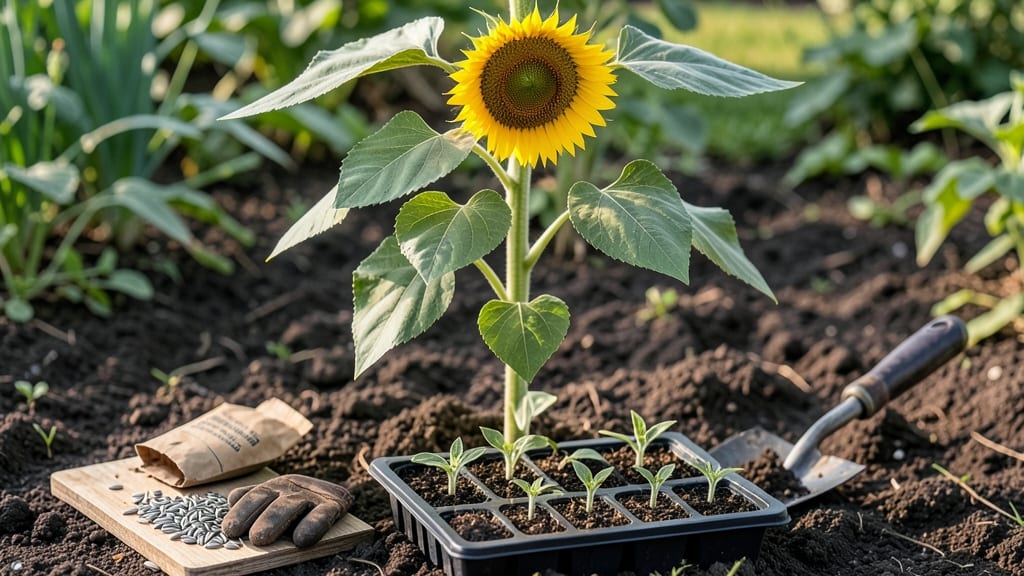
Planting sunflowers in Michigan isn’t just about grabbing seeds and sticking them in the ground—it’s about timing them perfectly to beat frost and coax those towering 🌻 varieties to reach their full potential.
With Michigan’s short growing season and unpredictable late frosts, getting the window right means the difference between a showstopping harvest and a sad, stunted plant.
Most gardeners in USDA zones 5b-6b wait until mid-April to mid-June, but that’s just the starting point. The real secret lies in soil temperatures and regional frost dates—because what works in Detroit might fail in the Upper Peninsula.
I’ll break down the exact frost-free timeline so you can plant with confidence and avoid common mistakes.
Whether you’re growing Mammoth sunflowers for their height or Russian Giants for their seeds, knowing when to start is critical. You’ll learn how to adjust for early vs. late varieties, soil prep tricks, and even how to extend your growing season if frost sneaks in early.
Ready to grow sunflowers that rival your neighbors’? Let’s dive into the step-by-step guide that’ll have your garden bursting with color from July to October—no guesswork required.
Michigan sunflower planting timeline: frost dates by region
Michigan’s diverse climate means your sunflower planting window can vary by 100+ miles. The Upper Peninsula faces cooler temperatures and shorter growing seasons, while Southern Michigan enjoys longer frost-free periods.
Understanding your USDA hardiness zone (5b-6b) helps pinpoint the perfect time to plant those 6-12-foot giants without risking frost damage.
For tall sunflower varieties, aim to plant after the average last frost date—typically mid-April to early May—but always wait until soil temperatures hit 55°F (13°C).
Cold soil slows germination, and seedlings can rot if planted too early. Use a soil thermometer to confirm readiness, especially in Zone 5b areas like Traverse City or Marquette.
Here’s the breakdown by region, including key frost dates and soil temperature thresholds to guide your planting schedule:
If you’re growing Russian Giant or American Giant varieties, these 100+ day plants need every warm day to reach their full height. Planting too late in Zone 5b risks stunted growth, while Zone 6b gardeners have a slightly longer window to experiment with succession planting for continuous blooms.
For early blooms, start seeds indoors 4-6 weeks before your region’s last frost date. Use biodegradable pots to avoid transplant shock when moving seedlings outdoors. Harden them off for 7-10 days by placing them outside during the day and bringing them in at night.
Pro tip: Use a frost watch calendar like the one from the Michigan State University Extension to track real-time updates. Late frosts can still hit in May, so have row covers ready to protect young plants if temperatures dip below 32°F (0°C).
In Southern Michigan, you can even squeeze in a second planting in early July for late-summer blooms. Choose shorter varieties like ‘Teddy Bear’ (3-4 feet) to avoid overcrowding and ensure they mature before the first frost in October.
Remember: Sunflowers thrive on warmth and sunlight. The earlier you plant in your zone, the taller and more vibrant your blooms will be. Just don’t rush—patience pays off with those 12-foot giants you’ve been dreaming of!
Michigan sunflower planting timeline: frost dates by region
Michigan’s diverse climate means your sunflower planting window can vary by 1-2 weeks depending on where you live. The Upper Peninsula has a shorter season, while southern Michigan enjoys an extra month of warmth.
To maximize your tall sunflower varieties (6-12 feet), I’ll break down the exact frost-free timelines for three key regions—plus how to adjust for your specific USDA zone.
For USDA zones 5b-6b, the general rule is to wait until soil temperatures hit 55°F (13°C) and all danger of frost has passed. But Michigan’s late spring frosts (even in May) make this trickier than it sounds.
The table below gives you the regional averages so you can plan accordingly—whether you’re in Detroit, Traverse City, or Marquette.
| Region | Last Frost Date | Safe Planting Window | Soil Temp Threshold | Days to Maturity (Tall Varieties) |
|---|---|---|---|---|
| Southern Lower Peninsula (Detroit, Kalamazoo) | Mid-April | Late April to early May | 55°F (13°C) | 70-100 days |
| Northern Lower Peninsula (Traverse City, Grand Rapids) | Late April | Early May to mid-May | 55°F (13°C) | 70-90 days |
| Upper Peninsula (Marquette, Houghton) | Early May | Mid-May to early June | 60°F (16°C) | 60-80 days |
If you’re in zone 5b (like northern Michigan), opt for early-maturing varieties (60-70 days to harvest) to avoid cutting your season short.
In zone 6b (southern Michigan), you can push the envelope with late-season varieties like ‘Russian Giant,’ which take up to 100 days but reward you with 12-foot stalks.
Pro tip: Use a soil thermometer to confirm temperatures—cold soil delays germination, and sunflowers won’t sprout below 50°F (10°C). I’ve had seeds rot in the ground when planted too early, even if the air felt warm. Patience pays off here!
For gardeners in transition zones (like Saginaw or Lansing), aim for mid-May as a compromise. This gives you flexibility to replant if an unexpected frost hits. And if you’re really ambitious, try succession planting—sow a second batch in early June for a late-summer harvest.
Remember: Sunflowers are fast growers, but they need consistent warmth to reach their full height. Don’t rush—wait for the green light from Mother Nature, and your sunflowers will thank you with vibrant blooms from July to October. 🌻