
Plants
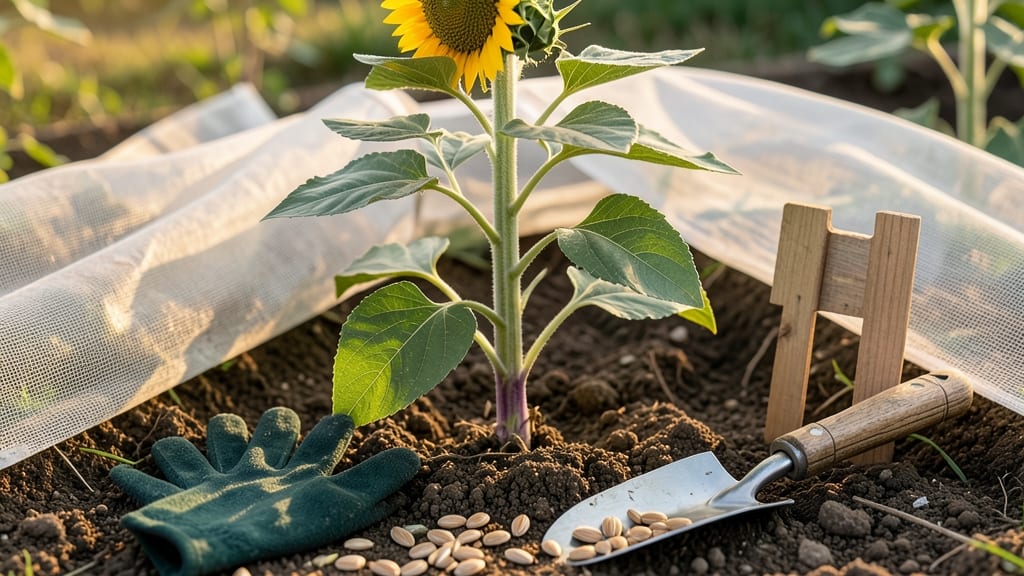
Planting sunflower seeds in Ohio at the wrong time can mean the difference between towering, vibrant 🌻 blooms and seeds that never sprout—or worse, rot in cold soil.
The key isn’t just waiting until spring; it’s knowing exactly when your region’s soil warms enough for fast germination, which varies dramatically from Cincinnati to Cleveland.
Ohio’s 6a climate means frost lingers until mid-April in most areas, but rushing to plant before the soil hits 50°F guarantees disappointment. I’ve learned the hard way that checking soil temperature (not just calendar dates) is the game-changer for sunflower success—especially when you’re aiming for those 10-foot giants by summer.
Whether you’re in northern Ohio where frost clings until May or southern Ohio where soil warms earlier, this guide breaks down the perfect planting windows for your microclimate.
We’ll cover how to test soil warmth, which sunflower varieties thrive in Ohio’s short season, and why direct sowing after last frost beats transplanting every time.
Ready to grow sunflowers that reach their full potential? Let’s get those seeds in the ground at the right moment—so you can enjoy fast germination and a garden full of sunshine by July.
Ohio sunflower planting dates by region: frost-free zones and soil warmth maps
Ohio’s diverse climate means sunflower seeds planted in Cincinnati might thrive weeks earlier than those in Toledo. The key to success lies in understanding your USDA Zone (5a–6b) and waiting for soil temperatures to hit 50–60°F—the magic trigger for germination.
In my Columbus garden, I’ve learned that rushing seeds into cold soil is a recipe for disappointment, while waiting too long risks missing the 165-day frost-free window.
Northern Ohio’s last average frost date (May 10–15) signals the start of your planting clock, but don’t grab your seeds just yet. The soil needs time to warm up—55°F+ is non-negotiable for these sun-loving giants.
In Southern Ohio, where frost lingers until April 10–20, you’ve got a 3–4 week head start compared to your northern neighbors. This regional difference is why I always check my local frost maps (like the Old Farmer’s Almanac) and adjust my timeline accordingly.
Here’s the breakdown you need to plant sunflower seeds at the perfect moment for your Ohio region:
| Region | Last Average Frost Date | Recommended Planting Window | Soil Temperature Threshold (°F) | Sunflower Variety Recommendations |
|---|---|---|---|---|
| Northern Ohio (Cleveland, Toledo) | May 10–15 | May 20–June 1 (after soil reaches 55°F) | 55–60°F | Mammoth Russian, Teddy Bear |
| Central Ohio (Columbus, Dayton) | April 25–May 5 | May 1–May 15 (soil 55°F+) | 50–55°F | Autumn Booster, ProCut |
| Southern Ohio (Cincinnati, Lexington) | April 10–20 | April 25–May 10 (soil 50°F+) | 48–52°F | Sunrich, Sungold |
For example, if you’re in Cincinnati and eager to start early, you can begin sowing Sunrich seeds as soon as April 25—just as long as your soil hits 50°F. But in Toledo, waiting until May 20 ensures your Mammoth Russian varieties don’t rot in the cold.
Pro tip: Use a soil thermometer (I swear by the Thermopro TP12) to avoid guesswork. Stick it 2–3 inches deep in the morning—consistent readings above 55°F for 3 days straight means it’s go time!
Ohio’s microclimates can also throw a wrench into your plans. Urban areas like Columbus often warm up faster than rural spots due to the heat island effect, while valleys in Appalachian Ohio might stay chilly longer.
To account for this, I always plant a test batch of seeds in multiple locations—my front yard, a shady corner, and even a raised bed—to see where germination succeeds first. This small step saved my 2022 crop from a late-May frost that wiped out my back-row seedlings.
Don’t overlook direct sowing vs. transplanting either. While sunflowers hate being transplanted (their roots are delicate), you can start seeds indoors 4–6 weeks before your last frost date if you’re worried about soil warmth. Just be prepared to harden them off for 7–10 days before transferring to the garden.
I’ve had success with this method for Teddy Bear dwarf varieties, which bloom in just 50–60 days—perfect for Ohio’s shorter growing season.
If you’re in Northern Ohio and fretting about the short growing season, opt for fast-maturing varieties like Autumn Booster (60–70 days) or ProCut (70–80 days). These give you a second-chance harvest if you plant a late batch in early June.
Meanwhile, Southern Ohio gardeners can push their luck with taller varieties like Mammoth Russian, which need 80–100 days but reward you with 10–14 foot stalks for cut flowers.
Remember, Ohio’s first frost typically hits around October 15, so plan your planting window to ensure your sunflowers reach maturity before the cold sets in. For instance, if you’re growing Mammoth Russian in Toledo
How to test soil temperature and avoid common planting mistakes in Ohio
Ohio’s soil temperature is the single most critical factor for successful sunflower seed germination. Unlike air temperature, soil warmth dictates whether your seeds will sprout or rot.
A digital soil thermometer ($10–$15) is your best tool—insert it 2–3 inches deep (where roots will form) and wait 30 seconds for an accurate reading.
For a free alternative, use the "finger test": press your finger into the soil; if it feels warm but not hot (like a lukewarm bath), it’s likely 50–55°F, the sweet spot for sunflowers.
Timing is everything in Ohio’s variable climate. Planting too early—before soil hits 50°F—can trigger seed rot or fungal diseases like damping-off. Conversely, waiting until June might mean your Mammoth Russian sunflowers bolt too quickly before reaching their full 10–14-foot height.
The key? Monitor weekly soil temps starting in mid-April and adjust your planting date accordingly.
⚠️ Common Planting Mistakes in Ohio
Ohio’s urban vs. rural microclimates can create a 10°F difference in soil temperature just miles apart. For example, Cincinnati’s downtown areas may warm up faster than nearby farmland, allowing earlier planting. To account for this, test multiple spots in your garden.
If you’re unsure, start with a small batch of seeds in early May—this gives you a 2-week buffer to adjust if germination stalls.
Another Ohio-specific challenge is late spring frosts, which can occur as late as May 15 in northern regions. If you plant in late April or early May, protect young seedlings with frost cloth or a mini greenhouse.
Once your sunflowers reach 12 inches tall, they’re usually resilient enough to handle a light frost, but flower buds are particularly vulnerable. Choose cold-tolerant varieties like Teddy Bear if you’re pushing the limits of Ohio’s short growing season.
Finally, overwatering is a silent killer for sunflower seeds. Ohio’s clay-heavy soils (common in central Ohio) can stay soggy long after a rainstorm, suffocating seeds. Water only when the top inch of soil feels dry, and avoid overhead watering to prevent fungal spores from splashing onto seeds.
A drip irrigation system or soaker hose keeps moisture consistent without disturbing the soil.
By mastering these Ohio-specific soil and climate tricks, you’ll turn your sunflower seeds from a gamble into a guaranteed summer spectacle. The payoff? Towering blooms that attract pollinators and provide birdseed for winter—all while outshining your neighbors’ gardens. 🌻