
Plants
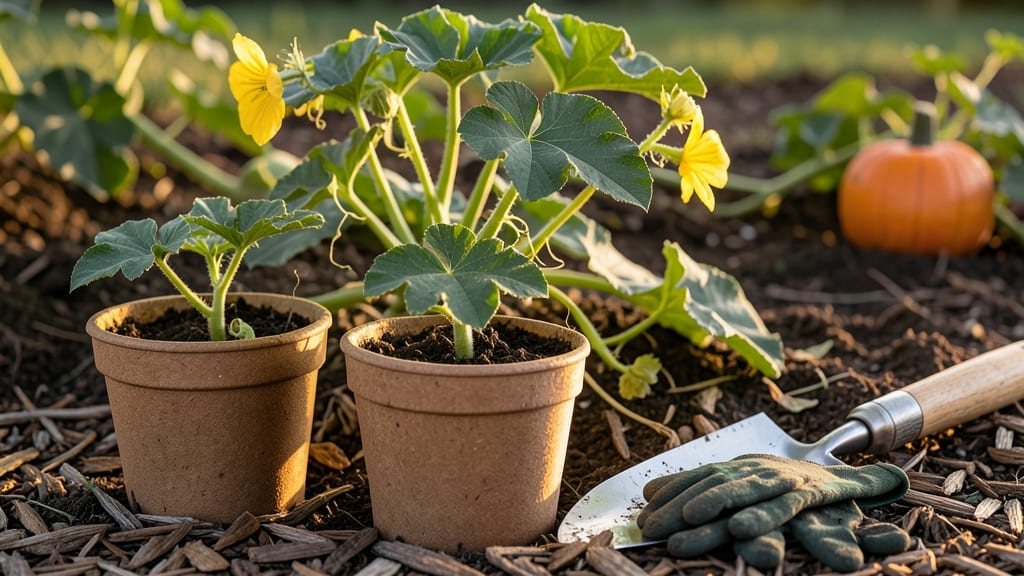
Planting pumpkins in Kansas isn’t just about grabbing seeds and sticking them in the dirt—it’s about timing them perfectly to beat the whims of Mother Nature.
With USDA Zones 5b-6a’s unpredictable frost dates and scorching summers, getting those seeds in the ground too early or too late can mean the difference between a bumper crop and a sad, wilted 🌱 disappointment.
I’ve spent years watching Kansas gardens thrive (and sometimes fail), and the key to success isn’t just waiting for spring—it’s knowing when the soil is warm enough, when the last frost has truly passed, and how to work around the state’s notorious wind and late freezes.
Whether you’re a first-time gardener or a seasoned pro, these insights will help you avoid common mistakes and maximize your harvest.
In this guide, I’ll break down the exact planting windows for your zone, share proven tips to extend your growing season, and recommend the best pumpkin varieties for Kansas’ climate. No more guessing—just data-backed strategies to grow the biggest, healthiest pumpkins your neighbors will envy.
Ready to turn your backyard into a pumpkin patch? Let’s get started with the perfect planting timeline for your corner of Kansas.
Kansas pumpkin planting calendar: exact dates by USDA Zone 5b vs 6a
Kansas gardeners face a critical decision: when to plant pumpkins in USDA Zones 5b-6a. The difference between these zones can mean 10-14 days of growing season, enough to determine whether your pumpkins thrive or fail.
According to Kansas State University, the average last frost date shifts from May 1-15 in Zone 5b to April 25-May 5 in Zone 6a.
Pumpkins need 75-90 days to mature, so timing is everything. Plant too early, and a late frost will kill seedlings; too late, and your harvest arrives after the first frost. The key is balancing soil warmth (ideal: 70°F+) with frost risk.
Here’s the critical planting window for Kansas, broken down by zone and method. Use this as your guide to avoid common mistakes.
For Zone 5b gardeners, direct sowing after May 15 ensures seedlings avoid frost. If you start seeds indoors, begin by April 1 to transplant hardened-off plants by May 15.
In Zone 6a, you can push the timeline earlier: direct sow by April 25 or start seeds as early as March 15.
Soil temperature is non-negotiable. Pumpkin seeds won’t germinate below 65°F, and growth stalls under 70°F. Use a soil thermometer to confirm readiness—waiting a week past the average last frost is safer than rushing.
Kansas’ unpredictable spring weather adds complexity. Even in Zone 6a, late frosts can occur. Monitor forecasts from the National Weather Service and have row covers ready to protect young plants if temperatures dip below 50°F.
Succession planting is another smart tactic. If your growing season feels short, sow a second batch 2-3 weeks after the first. This spreads out your harvest and reduces risk from powdery mildew or cucumber beetles, two common Kansas pumpkin pests.
Remember: Pumpkins need space. Vines spread 10-20 feet, so plan your garden layout now. In tight spaces, choose bush varieties like ‘Jackpot’ or ‘Small Sugar.’
Finally, track your progress. Mark planting dates on a garden journal to refine your strategy yearly. Kansas’ climate shifts—your notes will help you adapt.
Kansas pumpkin planting calendar: exact dates by USDA Zone 5b vs 6a
Kansas’ USDA Zones 5b-6a create a tight window for planting pumpkins—just 2-3 weeks separates success from failure. The key? Soil temperature (minimum 60°F) and last frost dates, which vary by 10-14 days between zones.
In Zone 5b (e.g., Wichita), aim for May 1-15; Zone 6a (e.g., Kansas City) can start April 25-May 5.
Direct-sowing is riskier in Kansas due to late spring frosts. I recommend starting seeds indoors 2-3 weeks before your zone’s last frost date, then transplanting seedlings when soil warms. For Zone 5b, that’s late April; Zone 6a can transplant early to mid-April.
| Zone | Last Frost Date | Direct-Sow Window | Indoor Start (Transplant) | Soil Temp Threshold |
|---|---|---|---|---|
| Zone 5b | May 1-15 | May 1-15 | Late April (transplant May 1) | 60°F+ |
| Zone 6a | April 25-May 5 | April 25-May 5 | Mid-April (transplant April 15) | 60°F+ |
*Source: Kansas State University Extension, 2023 climate averages
Pro tip: Use a soil thermometer—pumpkin seeds need 70°F+ soil for consistent germination. In my Zone 5b garden, I’ve lost entire batches by planting too early when soil was only 55°F. Wait for consistent warmth, even if it delays planting by a week.
For fast-maturing varieties (70-75 days to harvest), you can push the envelope by planting early May in Zone 5b. But giant varieties (like ‘Mammoth Gold Cube’) need 90+ days and must go in by early May in both zones to avoid early fall frosts.
Kansas’ unpredictable weather demands flexibility. I’ve seen late May frosts in Zone 6a and early September heatwaves that stunt growth. Keep a row cover handy for seedlings and monitor 10-day forecasts before planting.
Remember: Pumpkins need 100-120 frost-free days to mature. In Zone 5b, that means planting by May 15 for a late October harvest. In Zone 6a, you’ve got until May 25—but don’t wait too long, or your harvest window shrinks to just 2 months.