
Plants
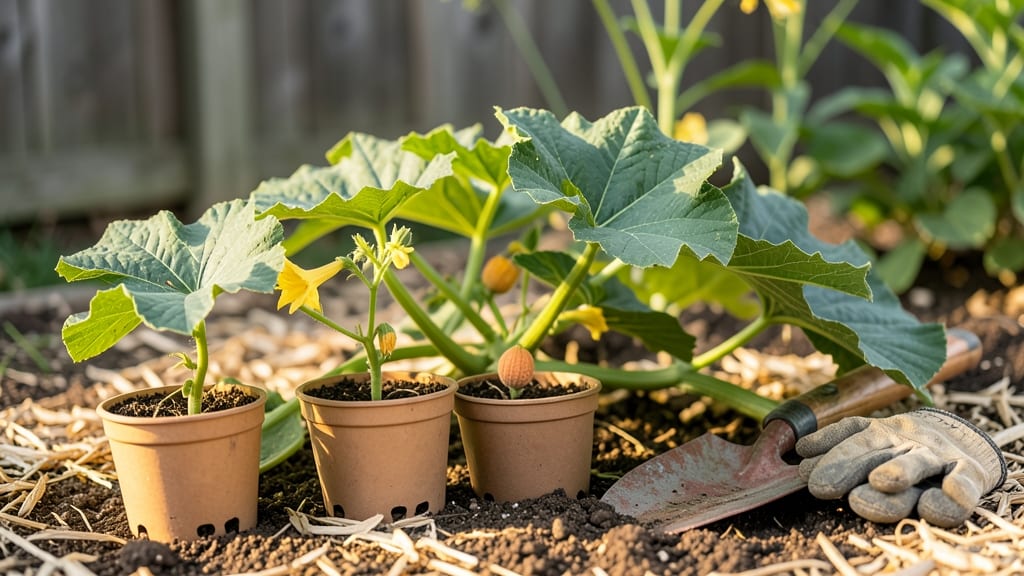
Planting your 🎃 pumpkin at the wrong time in Michigan could mean the difference between a bountiful harvest and wasted seeds.
The key to success lies in waiting for that perfect window—when soil warms to at least 60°F and all frost danger has passed, typically between mid-May and early June.
Why does timing matter so much? Pumpkins thrive in warmth and need a long, frost-free growing season—around 150-180 days to reach maturity.
In Michigan’s USDA Zones 5b-6b, planting too early risks cold soil and stunted growth, while waiting too long cuts your harvest short before the first frost in October.
Whether you’re growing classic jack-o’-lantern varieties or sweet pie pumpkins, I’ll show you exactly when to start seeds indoors or sow directly into the garden for your specific Michigan region. Let’s make sure your pumpkins grow big and strong!
From soil temperature checks to variety-specific schedules, you’ll learn the game-changer tips that separate successful harvests from disappointing patches. Ready to plant with confidence? Let’s dive in.
Michigan pumpkin planting timeline by USDA hardiness zones (5 & 6)
Michigan’s USDA Zones 5b and 6b create distinct planting windows for pumpkins. In Zone 5b (northern Michigan), the last frost typically arrives by May 15-20, while Zone 6b (southern Michigan) sees frost-free conditions by May 1-10.
These dates mark your starting point, but soil temperature is the real game-changer—pumpkin seeds need soil at least 60°F to germinate.
For direct sowing, wait until mid-May to early June when soil consistently stays above 60°F.
In colder northern regions, you may need to push planting to late May to avoid frost damage. Transplanting seedlings gives you a slight edge—start seeds indoors 3-4 weeks before your last frost date for an earlier harvest.
Here’s the critical difference between Michigan’s zones: Zone 6b gardeners can plant 2 weeks earlier than their Zone 5b counterparts.
This window allows southern Michigan growers to fit in longer-season varieties like Sugar Pie (110 days), while northern gardeners should stick to shorter varieties like Howden (85 days) or Casper (90 days).
🎃
If you’re starting seeds indoors, begin 4-6 weeks before your target outdoor planting date.
Use biodegradable pots to avoid transplant shock when moving seedlings outdoors. Hardening off (acclimating plants to outdoor conditions) takes 7-10 days—don’t skip this step, or your seedlings may struggle in Michigan’s unpredictable spring weather.
For direct sowing outdoors, plant seeds 1 inch deep and 2-3 feet apart in hills (groups of 3 seeds). Space hills 4-6 feet apart to give vines room to sprawl. Mulch heavily with straw to retain soil warmth and moisture—critical in Michigan’s cool, damp springs.
This method works best for shorter-season varieties like Jack-Be-Little, which matures in just 75 days.
Timing isn’t just about frost dates—it’s also about daylength. Pumpkins need long, sunny days to thrive, so planting too late in the season (after June 15) risks small, underdeveloped fruits.
In Zone 6b, you can push the envelope with late varieties like Long Island Cheese, but in Zone 5b, stick to early-maturing types to ensure a harvest before frost.
Pro tip: Use a soil thermometer to monitor temperatures. If nights dip below 50°F, cover seedlings with row fabric to protect tender young plants. Cold soil is the #1 reason pumpkin seeds fail to germinate in Michigan—don’t let it happen to you!
🌱
Remember, Michigan’s first frost typically arrives in mid-October, giving you a 150-180 day growing season.
Plan accordingly: Longer-season varieties need to be planted by early June in northern zones, while southern zones can squeeze in a second planting of fast-maturing varieties like Cinderella in late June for a fall harvest.
Best pumpkin varieties for Michigan’s climate & when to start seeds indoors
Michigan’s variable climate means choosing the right pumpkin varieties is just as important as timing. Short-season varieties like Howden (85-day) thrive in northern Michigan, while heat-tolerant Cinderella (110-day) works better in southern regions.
For indoor starts, begin seeds 4-6 weeks before your last frost date—typically late March to early April—to give seedlings a head start.
Southern Michigan gardeners (USDA Zone 6) can push the envelope with longer-maturing varieties like Sugar Pie (100-day), but northern growers (Zone 5) should stick to early-maturing types such as Jack Be Little (75-day) or Small Sugar (80-day).
These compact varieties also work well for container gardening, ideal for urban Michigan spaces.
🌱
| Variety | Days to Mature | Best for Zone | Indoor Start Time | Key Feature |
|---|---|---|---|---|
| Howden | 85 | 5-6 | Late March | Classic jack-o'-lantern |
| Jack Be Little | 75 | 5 | Early April | Compact, great for containers |
| Cinderella | 110 | 6 | Mid-March | Heat-tolerant, large fruit |
| Small Sugar | 80 | 5-6 | Late March | Sweet, pie-friendly |
| Sugar Pie | 100 | 6 | Early March | Disease-resistant, sweet flesh |
For indoor seed starting, use biodegradable pots to avoid transplant shock. Place seeds in a sunny window or under grow lights (14-16 hours/day) until soil temperatures stabilize. Harden off seedlings 1 week before transplanting outdoors—acclimate them to cool evening temps by placing them outside for 2-3 hours daily.
If you’re direct sowing (no indoor start), wait until soil temps hit 60°F+—typically mid-May in northern Michigan and early May in southern regions. Use black plastic mulch to warm soil faster and deter weeds.
Space seeds 1-2 inches apart in hills, thinning to 2-3 plants per hill when seedlings are 4 inches tall.
🌿
Remember: Northern Michigan gardeners should prioritize early-maturing, cold-tolerant varieties, while southern Michigan can experiment with longer-season types. Always check your local frost-free date—Michigan’s can vary by 2 weeks or more between regions. For extra insurance, choose disease-resistant varieties like Sugar Pie to combat Michigan’s humid summers.