
Plants
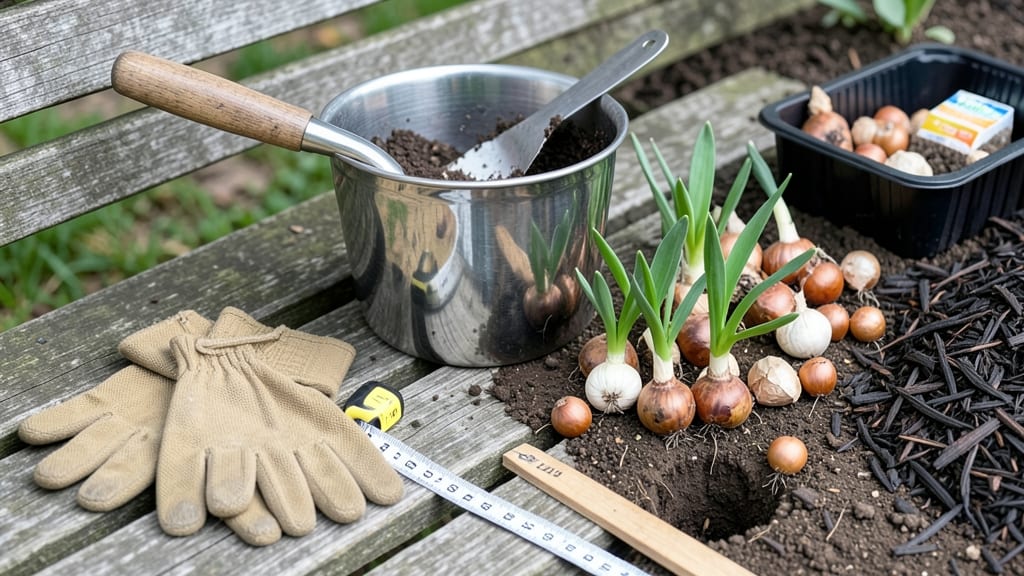
Planting bulbs at the wrong time in Zone 8 can mean the difference between a garden bursting with color and a season spent waiting for blooms that never come.
The key to perfect results lies in understanding your local frost dates and soil conditions—because even a few weeks off can ruin your chances of vibrant spring or summer flowers.
If you’ve ever wondered why some gardeners get stunning displays while others struggle, timing is the most important factor. In Zone 8, fall planting (October–November) gives bulbs like tulips and daffodils a head start, while early spring (February–March) works for summer-flowering varieties.
But here’s the catch: microclimates and bulb types complicate things.
I’ll break down exactly when to plant each type of bulb in Zone 8, including adjustments for your specific region—whether you’re in Southern California, Texas, or Florida’s northern edge. You’ll learn how to read soil temperatures, avoid common mistakes, and even extend your bloom season with smart layering techniques.
Ready to transform your garden? Let’s dive into the easiest way to plant bulbs for guaranteed success, no matter where you are in Zone 8.
Zone 8 bulb planting calendar: exact months for spring, summer, and fall blooms
Mastering the perfect planting window for bulbs in Zone 8 transforms your garden from a haphazard experiment to a predictable paradise of color. Unlike cooler climates, Zone 8’s mild winters and warm springs demand precise timing—plant too early, and bulbs rot; too late, and frost steals your blooms.
The key? Understanding soil temperature thresholds and regional microclimates across Southern California, Texas, and Florida’s northern zones.
Most spring-flowering bulbs (like tulips and daffodils) thrive when planted in fall (October–November), while summer bloomers (dahlias, cannas) wait for early spring (February–March). But Zone 8’s variable frost dates (December 15–January 15) mean your neighbor’s schedule might not fit your microclimate.
Let’s break it down by month, bulb type, and region to ensure your bulbs survive and thrive.
🌱 PRO TIP: Use a soil thermometer to confirm temperatures drop below 60°F before fall planting—this signals bulbs it’s safe to root.
| Month | Bulb Type | Planting Window | Soil Temp | Notes |
|---|---|---|---|---|
| September | Spring Bulbs (Tulips, Daffodils) | Late September (Cooler Zones) | 65–70°F | Best for Zone 8a; avoid in hotter areas. |
| October | Spring Bulbs, Crocuses, Snowdrops | Mid-October (Ideal) | 60–65°F | Gold standard for Zone 8; 6–8 weeks before frost. |
| November | Spring Bulbs, Hyacinths | Early November (Zone 8b) | 55–60°F | Last chance for cold-hardy varieties. |
| February | Summer Bulbs (Dahlias, Canna) | Late February (After last frost) | 60°F+ | Wait until soil warms; mulch to retain heat. |
| March | Late Bloomers (Allium, Fritillaria) | Early March (Zone 8a) | 50–55°F | Tolerates light frosts; plant deeper. |
For Southern California, where winters are mild but unpredictable, prioritize October planting for tulips and daffodils.
In Texas Hill Country, extend the window to early November due to later frosts, while Florida’s northern zones can plant crocuses and snowdrops as late as December—their chill requirements are minimal.
🌿 REGIONAL TIP: In urban heat islands (e.g., Los Angeles, Phoenix), plant bulbs in shadier spots or use white mulch to reflect heat and protect roots.
Summer-flowering bulbs like dahlias and cannas demand patience—wait until after your last frost date (typically mid-March in Zone 8b) and soil temperatures exceed 60°F. These tender bulbs rot in cold soil, so test with a thermometer or plant in well-draining containers for extra insurance.
Don’t overlook fall-planted bulbs like crocuses and snowdrops, which naturalize beautifully in Zone 8’s mild winters. Plant them 6–8 weeks before frost (October–November) for early spring blooms that brighten gray days. Their shallow roots thrive in well-aerated soil, so avoid compacted clay.
For extended bloom seasons, try layered planting: mix early bloomers (crocuses) with mid-season (tulips) and late bloomers (alliums). This creates a continuous cascade of color from February to May, even in Zone 8’s variable climate.
✂️ ACTION STEP:
How to adjust planting times for Zone 8’s microclimates and bulb types
Zone 8’s diverse microclimates mean your neighbor’s perfect planting window might fail in your garden. Elevation shifts, urban heat islands, and even 8a vs. 8b hardiness zones can delay or advance frost dates by weeks.
For example, San Diego’s coastal areas (8b) often have milder winters, while Texas Hill Country (8a) can experience earlier frosts. Adjust your timing based on these factors to avoid frost damage or premature sprouting.
Not all bulbs thrive on the same schedule. Cold-hardy bulbs like tulips and daffodils need 6-8 weeks before frost to establish roots, while tender bulbs such as dahlias or cannas should wait until after the last frost in spring.
Layering bulbs—planting some in fall for early spring blooms and others in early spring for summer flowersseasonal interest.
Here’s how to fine-tune your planting schedule for Zone 8’s microclimates and bulb types:
| Bulb Type | Zone 8a Planting Window | Zone 8b Planting Window | Microclimate Adjustments |
|---|---|---|---|
| Tulips | October 15–November 15 | November 1–December 1 | Delay in valleys; plant earlier in high deserts. |
| Daffodils | October 1–November 15 | November 1–December 10 | Urban areas may need later planting due to heat retention. |
| Dahlias | March 15–April 15 (after frost) | February 20–March 30 | Coastal areas can plant 2–3 weeks earlier. |
| Crocuses | October 1–November 1 | November 1–December 1 | High elevations: plant earlier; lowlands: delay slightly. |
For urban gardeners, heat islands can push soil temperatures above 60°F longer, delaying fall planting. Use a soil thermometer to confirm readiness—aim for 50–60°F for most bulbs.
In high-altitude areas like parts of Texas or New Mexico, frost can arrive earlier, so plant 4–6 weeks ahead of your typical schedule.
Pro tip: Layer bulbs for continuous color. Plant crocuses and snowdrops in fall for early spring blooms, then add tulips and daffodils in late fall. Top it off with alliums or lilies in early spring for summer interest. This technique ensures your garden stays vibrant from February through August.
If you’re unsure about your local frost dates, check with your local cooperative extension service or use a microclimate app like PlantNet. Adjusting for these factors ensures your bulbs thrive, not just survive.