
Plants
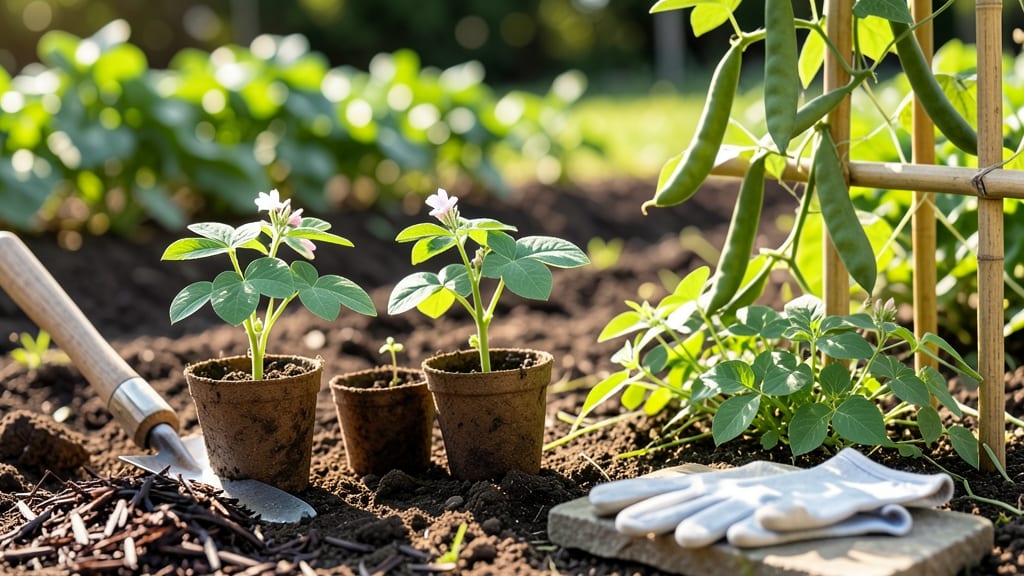
Planting beans in Southern California isn’t just about grabbing seeds and sticking them in the dirt—it’s about timing them perfectly to beat the heat, avoid coastal fog delays, and maximize your harvest.
With two ideal windows (spring and fall), you can enjoy fresh 🌱 beans from April to December—but get it wrong, and you’ll end up with wilted plants or stunted growth.
The key is understanding your microclimate: coastal areas like San Diego have cooler, foggier springs, while inland zones like Riverside can hit 90°F by April.
That means your March planting in the desert might flop if you don’t adjust for early heat, while coastal gardeners can push it to May without stress.
I’ll break down the exact months to plant—plus how to tweak your schedule for pole beans, bush beans, and even lima varieties—to ensure your crop thrives.
You’ll also discover how to prep your soil for zero-fail germination, when to stake your pole beans for maximum yield, and which companion plants (like basil or marigolds) will keep pests away.
Whether you’re a first-time gardener or a seasoned grower, these tips will help you avoid common mistakes and enjoy a bountiful harvest—without the guesswork.
Ready to turn your garden into a bean-producing powerhouse? Let’s dive into the step-by-step schedule that works for your specific corner of Southern California, so you can start harvesting in as little as 50 days.
Southern California bean planting calendar by microclimate (coastal vs. inland vs. desert)
Southern California’s microclimates create wildly different growing conditions—coastal areas stay cooler and foggier, while inland desert zones can hit 100°F+ by midday. To avoid heat stress or slow germination, timing is everything.
Here’s your region-specific planting guide for bush beans, pole beans, and lima beans, with soil temperature thresholds and frost-free adjustments.
Most of Southern California is frost-free year-round (USDA zones 9b–11), but high-elevation areas like Mount Laguna or Big Bear can see light frosts. For these zones, wait until April 15 or after the last frost date.
In coastal cities like Santa Barbara or San Diego, you can plant 2–3 weeks earlier than inland areas due to cooler soils.
Beans thrive when soil temperatures hit 60°F (15°C)—any cooler, and germination slows dramatically. Use a soil thermometer to confirm before planting. In desert regions like Palm Springs or Yuma, avoid planting during peak summer heat (June–August) unless you’re using shade cloth or drip irrigation.
🌱 Pro Tip: Test your soil’s warmth by pressing your hand into the ground—if it feels lukewarm (like a fresh-brewed cup of tea), it’s ready for beans. If it’s cold, wait 1–2 weeks.
| Microclimate | Best Planting Months | Soil Temp Threshold | Harvest Window | Notes |
|---|---|---|---|---|
| Coastal (Santa Barbara, San Diego) | February–March August–September |
60°F+ (15°C+) | April–June October–November |
Fog delays germination; use row covers if nights dip below 50°F. |
| Inland (Los Angeles, Riverside) | March–April August–September |
65°F+ (18°C+) | May–July October–December |
Avoid June planting—soil can exceed 90°F (32°C). |
| Desert (Palm Springs, Yuma) | September–October March (spring only) |
70°F+ (21°C+) | November–December May–June |
Plant in shade cloth during summer; mulch heavily to retain moisture. |
| High Elevation (Big Bear, Mount Laguna) | April–May July–August |
60°F+ (15°C+) | June–August September–October |
Light frosts possible; use cold frames for early spring plantings. |
For spring plantings, aim to harvest before summer heat sets in (typically by June 15 in inland areas). In fall, beans planted after August 15 in desert zones may struggle with short daylight hours and cooler nights.
Use black plastic mulch to warm the soil faster in early spring or straw mulch to cool roots in summer.
Pole beans need more time to mature than bush beans, so plant them 2–3 weeks earlier in spring or 1–2 weeks later in fall to extend your harvest. Lima beans are heat-loving and should only be planted in May–June or September–October in inland/desert regions.
🌡️ Heat Warning: If daytime temps exceed 90°F (32°C) for more than 3 days, beans will stop producing pods. Use
How to adjust your planting timeline for heat waves and coastal fog delays
Southern California’s weather can be as unpredictable as a Hollywood script—one day it’s coastal fog clinging to your plants, and the next, a 100°F heat wave turns your garden into a sauna. Beans, especially, need consistent temperatures between 60-85°F to thrive. Here’s how to outsmart Mother Nature and keep your beans happy, no matter the forecast. If you’re in coastal areas like Santa Barbara or San Diego, delay planting until after the May Gray/June Gloom lifts (usually late April to early May). Use floating row covers to warm the soil faster and shield seedlings from chilly ocean breezes. For inland zones like Riverside or Palm Springs, plant in early fall (August-September) to avoid summer’s brutal heat.🌡️ 5 Heat & Fog-Proof Planting Strategies
- Stagger your plantings every 2 weeks in spring/fall to spread out harvests and avoid losing everything to one bad weather event.
- Choose heat-tolerant varieties like ‘Contender’ (bush bean) or ‘Blue Lake’ (pole bean)—they handle 90°F+ temps better than standard types.
- Use black plastic mulch to raise soil temps by 10-15°F and suppress weeds. Remove it once beans start flowering to avoid overheating roots.
- Plant in shade cloth (30-50%) during peak summer to protect seedlings from scorching. Remove after 2-3 weeks if using temporary shade.
- Water deeply in the morning (1-2 inches) to cool soil and roots. Avoid evening watering—it invites fungal diseases like bean rust.
🌱