
Plants
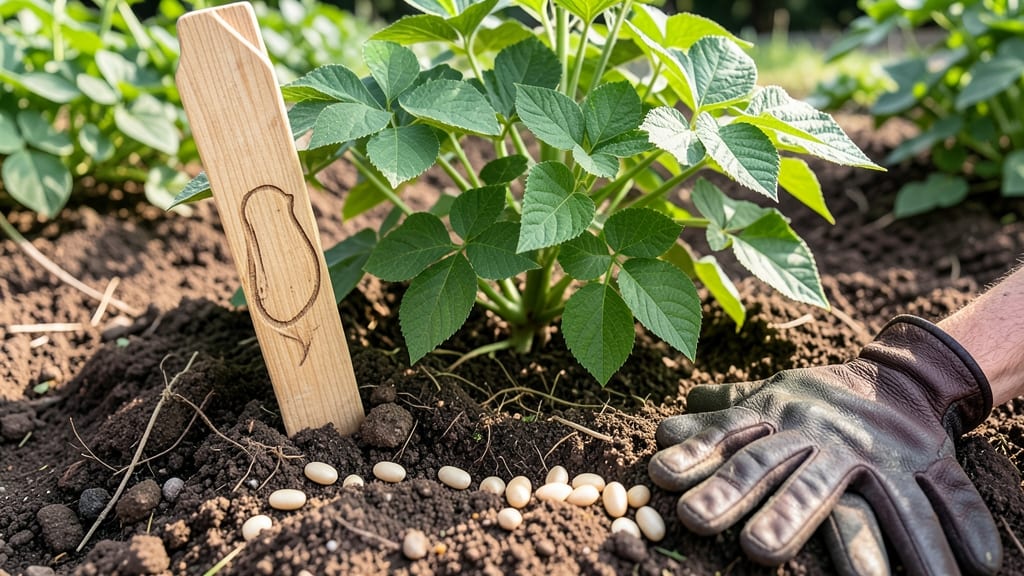
Planting beans at the wrong time in Zone 7 can turn your garden dreams into a sad, stunted mess—those 60-70 days to harvest fly by fast, and late frosts or scorching heat will ruin your crop before it even starts.
The key to success? Timing it right, when soil temps hit 60°F and the last frost has passed (usually mid-April), but not so late that summer heat stresses your plants.
I’ve grown beans in Zone 7 for years, and the difference between a thriving patch of 🌱 and a failed experiment comes down to two things: knowing your frost dates and choosing the right varieties.
Whether you’re planting bush beans for quick harvests or pole beans for a longer season, getting the timing perfect means avoiding both frost damage and the dreaded "legume wilt" from overheated soil.
Here’s what you need to know: the best window for spring planting is 2–3 weeks after your last frost, but if you’re in the southeastern U.S., watch for those sneaky late frosts—some years, they linger into May.
For a second crop, late summer (8–10 weeks before your first frost) works too, but only if you pick heat-tolerant varieties.
In this guide, I’ll break down the exact soil temps, frost-free deadlines, and even companion plants that’ll help your beans thrive—no guesswork, just a bumper crop waiting to happen. Let’s get those seeds in the ground the right way.
Optimal planting windows for beans in Zone 7 by variety
Getting the timing right for your bean plants in Zone 7 means understanding both soil temperatures and frost-free dates. Most varieties thrive when soil reaches 60-65°F, but some cold-hardy types can handle slightly cooler conditions.
In Zone 7, your last frost date typically falls around mid-April, but this can vary by microclimate—urban areas may warm faster than rural spots.
For bush beans and pole beans, aim to plant 2-3 weeks after your last frost date.
This gives young plants time to establish roots before summer heat arrives. Snap peas, which are slightly more frost-tolerant, can even go in 2-3 weeks before your last frost if you use row covers for protection.
Here’s a quick breakdown of when to plant each type in Zone 7:
| Variety | Soil Temp Requirement | Planting Window (Zone 7) | Notes |
|---|---|---|---|
| Bush Beans | 60-65°F | April 15 – May 15 | Fast-growing; plant in succession every 2 weeks for continuous harvest. |
| Pole Beans | 65-70°F | May 1 – June 1 | Needs warm soil; stake or trellis for support. |
| Snap Peas | 45-50°F | March 15 – April 1 (early) or August 15 (fall) | Cold-hardy; plant 8-10 weeks before first frost for fall harvest. |
If you’re growing heirloom varieties or drought-resistant beans, adjust your planting window slightly later—after May 15—to avoid soil moisture stress during Zone 7’s hot summers. Always check your local frost dates using resources like the USDA Plant Hardiness Zone Map or your cooperative extension service for precise timing.
For a second harvest, plant fall beans in late summer (August), about 8-10 weeks before your first frost (typically mid-October in Zone 7). Use fast-maturing varieties like 'Contender' or 'Blue Lake' to ensure pods ripen before cold sets in.
Pro tip: Use a soil thermometer to confirm temperatures before planting. Beans are sensitive to cold soil, and planting too early can stunt growth or attract pests like bean beetles. Aim for consistent warmth to jumpstart your crop.
In containers, plant bush beans in 5-gallon pots and pole beans in 10-gallon pots with drainage holes. Containers warm up faster than garden beds, so you can plant 1-2 weeks earlier than in-ground.
Remember, succession planting is key for a steady harvest. If you plant bush beans every 2 weeks from April through June, you’ll enjoy fresh pods all summer long. Pair this with fall planting, and you’ll have beans from spring to frost!
🌱
How to adjust planting for Zone 7’s unpredictable spring weather
Zone 7’s spring weather can be a gardener’s biggest challenge—one day it’s 60°F and sunny, the next, a frost warning hits. Beans, which thrive in warm soil (60-85°F), are especially vulnerable to late frosts.
But with the right strategies, you can protect your crop and still enjoy a bountiful harvest. The key is flexibility: knowing when to plant early varieties, how to use row covers, and when to succession plant for continuous yields.
Here’s how I adapt my planting schedule to Zone 7’s unpredictable spring—so you can too. Start by monitoring your local frost-free date, which in Zone 7 typically falls around mid-April.
However, don’t let that date fool you—late frosts can still occur, especially in higher elevations or northern parts of the zone. I always have row covers and cold-hardy varieties on hand as a backup plan.
Late Frost Warning
Zone 7’s last frost can vary by 1-2 weeks from the average date. Check your local microclimate—valleys and low-lying areas frost longer than hillsides. If frost is forecasted within 48 hours of planting, delay until soil warms or use row covers for protection.
For early spring planting, I opt for cold-tolerant varieties like ‘ provider’ or ‘Tendergreen’ bush beans, which can handle soil temps as low as 50°F. These varieties give me a 2-3 week head start before switching to heat-loving types like ‘Blue Lake’ or ‘Rattlesnake’ pole beans.
Another trick? Plant successive crops every 2 weeks from late April through early June. This ensures a steady supply of fresh pods all summer, even if the first planting gets nipped by frost.
Heatwaves can also throw off your planting timeline. If temperatures soar above 90°F before your beans are established, they’ll struggle to set pods. To beat the heat, I plant in partial shade during peak summer months or choose heat-tolerant varieties like ‘Cowboy’ or ‘Contender’.
Mulching with straw or grass clippings helps retain moisture and keeps roots cool. And always water deeply in the morning to avoid fungal issues that thrive in humid, hot conditions.
Pro Tip for Zone 7 Gardeners
Use a soil thermometer to track temperatures—beans need consistent warmth to germinate. If soil is below 60°F, wait or use a black plastic mulch to warm it faster. This simple tool saves me from wasted seeds and frustrated replanting!
If you’re new to Zone 7 gardening, start small with bush beans, which are easier to manage than pole beans. They mature faster (50-60 days) and are less affected by unpredictable weather.
For pole beans, which take 60-70 days to harvest, I always have trellises ready and plant them slightly later—around early May—to avoid early-season frosts. And remember: succession planting is your best friend.
By staggering your plantings, you’ll have fresh beans from June through September, even if Mother Nature throws a curveball.
Finally, keep an eye on your local weather forecasts and adjust as needed. I’ve learned that flexibility is key in Zone 7. If a frost warning pops up after you’ve planted, don’t panic—cover your seedlings with lightweight row fabric or even an old blanket.
And if a heatwave hits, provide shade cloth until temperatures drop. With these strategies, you’ll turn Zone 7’s unpredictable spring into your bean-growing advantage.
🌱