
Plants
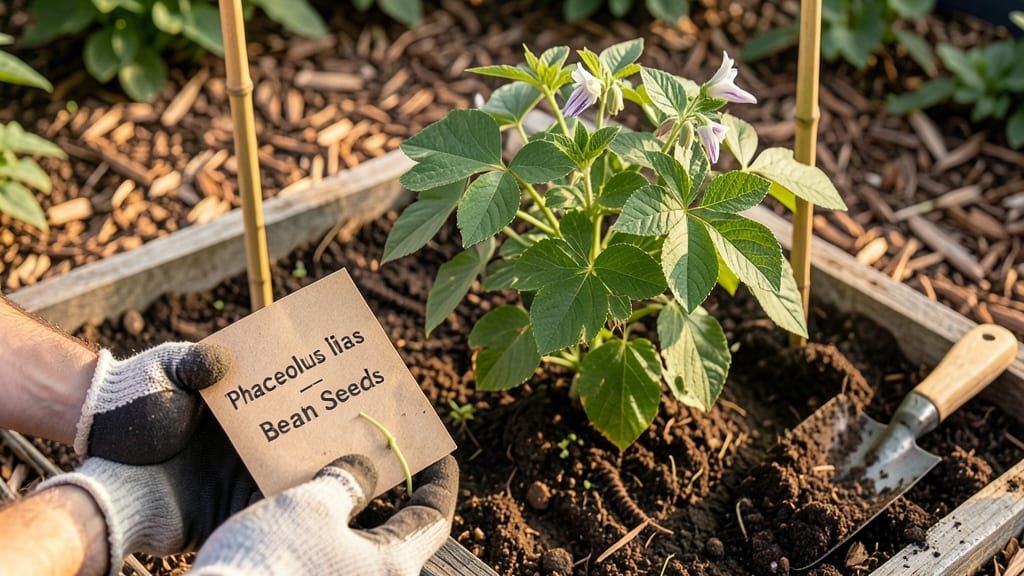
Planting beans in Minnesota isn't just about waiting for spring—it's about catching that narrow window between frost and summer heat when these 🌱 heat-lovers can thrive. Miss the timing, and you risk stunted plants or worse, a total bust.
I've grown beans in Minnesota's 3b-5a zones for years, and I'll share exactly when to plant for pole, bush, and specialty varieties so you get the harvest you're dreaming of.
Most gardeners assume "after last frost" is the magic date, but that's only part of the story. Soil temperature matters just as much—beans need warm ground to germinate, and Minnesota's unpredictable springs can throw off even the best-laid plans.
Let's break down the exact planting timeline by region, so you know whether you're in northern Minnesota's cooler zones or the warmer southern areas.
You'll discover how to calculate your local frost-free window using simple tools, plus smart tricks like row covers and succession planting to stretch your growing season.
Whether you're a first-time gardener or a seasoned pro, these insights will help you avoid the common mistakes that leave Minnesota gardeners scratching their heads in September with empty vines.
Ready to grow beans that look like they came from a catalog? I'll walk you through everything from seed starting to harvest-ready pods, so you can enjoy fresh, homegrown beans from July through September—no guesswork required.
Minnesota bean planting timeline by variety: pole vs bush vs soybeans
Minnesota gardeners know timing is everything—especially for beans, which hate cold soil and frost damage. The state’s USDA zones 3b-5a mean your last frost date can vary from May 10 in southern MN to June 1 in northern areas.
Let’s break down the perfect planting windows for pole beans, bush beans, and soybeans to avoid common mistakes like stunted growth or wasted seeds.
First, check your local last frost date using the Minnesota State Climatology Office or a trusted weather app. Most Minnesota gardeners aim to plant beans 2-3 weeks after the last frost when soil temperatures hit at least 50°F.
For northern MN, this often means late May to early June, while southern regions can start as early as mid-May.
Beans are warm-season crops, so rushing them can backfire. If you plant too early, your beans may rot in cold soil or fail to germinate. Instead, wait for consistent daytime temps above 60°F—this signals it’s safe to sow seeds directly into the garden.
Here’s how the planting windows break down by bean type, including regional adjustments:
For pole beans, which take 60-90 days to mature, starting in mid-May in southern MN gives you a July harvest. In northern MN, wait until late May to avoid frost risks. Bush beans, with their 50-60 day maturity, are slightly more forgiving but still need warm soil.
Soybeans are the most temperature-sensitive of the bunch, requiring 60°F soil and often doing better in northern MN’s shorter season if planted early. If you’re in Zone 4a or colder, opt for early-maturing varieties like ‘Anoka’ or ‘Amsoy’ to beat the first frost.
Pro tip: Use a soil thermometer to confirm temps before planting. If your soil is below 50°F, wait another week—your beans will thank you with stronger germination and healthier vines. For extra protection, try black plastic mulch to warm the soil faster.
Don’t forget to test your soil pH (beans prefer 6.0-7.0) and add compost for nutrients. Over-fertilizing with nitrogen can reduce pod production, so light feeding is key once plants are established.
🌱
How to extend your Minnesota bean growing season with smart techniques
Minnesota’s cool springs and early frosts can cut your bean harvest short—but with the right tricks, you can grow beans earlier and later than the typical May-June window. The key is protecting tender seedlings and extending the season using proven methods that work in our climate.
Start by choosing cold-tolerant varieties like 'Provider' or 'Kentucky Wonder', which handle light frosts better than most. Pair these with row covers or cloches to shield young plants from late spring chills (even down to 28°F for short periods).
Soil warming is another game-changer. Black plastic mulch or straw mulch raises soil temps by 5-10°F, helping seeds germinate faster. For late-season extensions, try succession planting every 2 weeks in July to keep pods maturing until frost.
For container gardening, move pots to sunniest spots and use heat-absorbing materials like black fabric under containers. This can add 1-2 extra weeks of growing time before fall frosts hit. Always monitor soil moisture—dry soil stresses plants and makes them more frost-sensitive.
If you’re in northern Minnesota (Zones 3-4), focus on early-maturing varieties (like 'Blue Lake' beans, ready in 50 days) and plant after May 20 when soil temps hit 55°F.
In southern MN (Zones 4-5), you can push limits by planting late July for a fall harvest before frost.
Finally, harvest strategically: Pick beans every 2-3 days to encourage more production. This keeps plants focused on new pod growth instead of letting them bolt from stress. With these techniques, you can stretch your bean season by 30-45 days—meaning more homegrown harvests all summer long! 🌿