
Plants
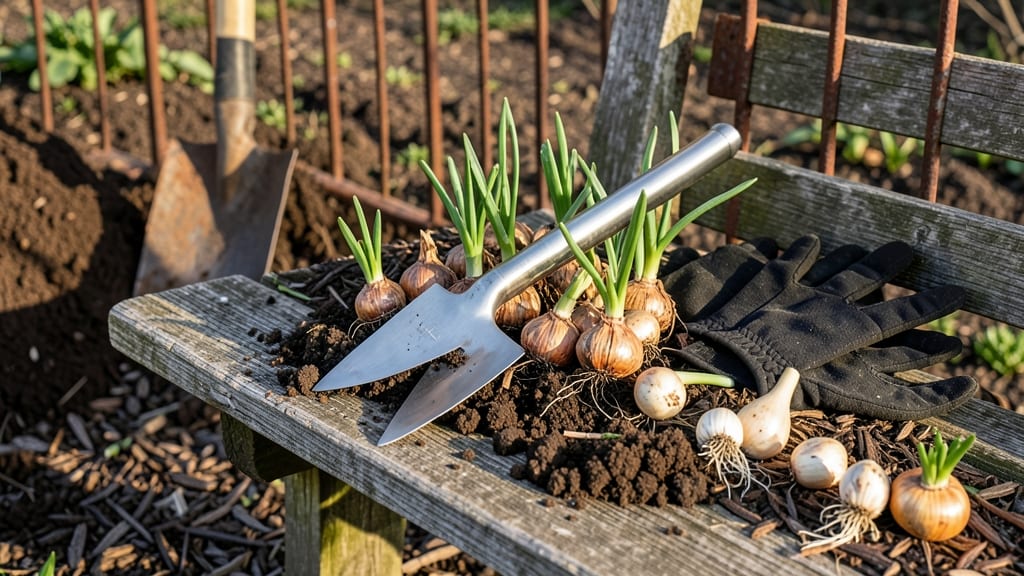
Planting bulbs in Kansas at the wrong time can mean the difference between a showstopping spring garden and a sad, wilted disappointment. The key is understanding when to plant bulbs in Kansas—because those chill-resistant varieties need just the right window to root before winter sets in.
Most gardeners in zones 5b-7a swear by fall planting, but timing matters more than you’d think. Too early, and your 🌱 bulbs rot in soggy soil; too late, and they won’t establish before the ground freezes.
I’ll break down the exact months that work best for Kansas’ climate, plus how to adjust for early freezes or unusually warm falls.
You’ll also discover which bulbs handle Kansas winters like a champ—think daffodils, crocuses, and alliums—so you can skip the finicky varieties that struggle with our temperature swings. Whether you’re a first-time planter or a seasoned gardener, these tips will help you maximize blooms and avoid common pitfalls.
Ready to transform your yard into a springtime paradise? Let’s dive into the perfect planting schedule for Kansas, so you can enjoy vibrant colors without the guesswork.
Best months to plant bulbs in Kansas by hardiness Zone (5-7)
Kansas’ USDA Zones 5b-7a create a unique challenge for bulb planting—too early, and frost ruins your investment; too late, and bulbs won’t establish roots before winter. The key?
Planting 6-8 weeks before the first hard frost (typically mid-September to mid-November) for fall planting, or 4-6 weeks before last frost (early March to April) for spring. But timing varies by zone, soil type, and even microclimates like urban heat islands.
Most Kansas gardeners focus on fall planting because bulbs need cold stratification to bloom. However, spring planting works for varieties like crocus and snowdrops, which tolerate Kansas’ sudden freezes.
The trick is adjusting for your specific last frost date—Wichita’s average is April 15, while western Kansas can be 2 weeks earlier.
Soil temperature matters just as much as air temperature. Bulbs should go into 50-60°F soil—wait until late September if summer lingers hot. Use a soil thermometer to check; Kansas’ clay-heavy soils stay warm longer than sandy areas.
In Zone 7a, you might squeeze in a December planting, but avoid it in colder Zone 5b areas.
Here’s how to align planting with Kansas’ three microclimates:
| Zone/Region | Ideal Planting Window | Soil Prep Tip | Chill Requirement |
|---|---|---|---|
| Zone 5b (Northeast KS) | Sep 15–Oct 15 | Add compost to heavy clay | 1200–1500 hours |
| Zone 6a (Central KS) | Sep 20–Nov 1 | Mulch after planting | 900–1200 hours |
| Zone 7a (Southwest KS) | Oct 1–Nov 15 | Use gritty soil mix | 600–900 hours |
| Urban Heat Islands | Nov 1–Dec 15 | Plant in shade | 300–600 hours |
*Chill hours = time below 40°F needed for blooming.
For spring planting, aim for March 1–April 15—but only for hardy varieties like crocus and allium. Kansas’ unpredictable late frosts (even in April) make spring planting risky unless you use row covers for early bloomers.
Test your soil’s moisture retention first; clay soils in Zone 5b can suffocate bulbs if overwatered.
Pro tip: Mark your calendar for October 15—this is Kansas’ last safe planting date before winter dormancy sets in. If you miss it, wait until spring, but expect fewer blooms that first year.
Use a planting chart to track your zone’s first frost; the Kansas State University Extension provides free local data.
One common mistake? Planting too shallow in Kansas’ heavy clay. Dig holes 6–8 inches deep (twice the bulb’s height) and mix in sand or perlite to improve drainage.
In Zone 7a, you can push it to December 1, but cover bulbs with 4–6 inches of mulch to insulate against temperature swings.
Remember: Bulbs need time to root before winter. If you plant in late November, roots won’t establish, and bulbs may rot. Use a soil thermometer—once temps drop below 40°F consistently, it’s time to stop planting. For Zone 5b, this usually means mid-October.
For container gardening in Kansas, plant bulbs in late September and keep pots in a garage or shed until spring. This extends your planting window and protects against sudden freezes. Just ensure containers have drainage holes to prevent waterlogging during winter thaws.
Best months to plant bulbs in Kansas by hardiness Zone (5-7)
Kansas’ USDA zones 5b-7a demand precise timing for bulb planting—too early, and bulbs rot; too late, and they won’t establish before winter. The ideal window is 6-8 weeks before the first hard frost, typically September through November for fall planting.
For spring planting, aim for 4-6 weeks before the last frost, usually March to early April.
In Zone 5b (northern Kansas), where winters are harsher, prioritize early September planting to ensure bulbs root before the ground freezes. Zone 7a (southern Kansas) offers a longer window, allowing late October or even early November plantings.
Always check your local first frost date—Kansas City averages October 15, while Wichita may push to November 1.
For spring planting, focus on March to early April—but only for tender bulbs like dahlias or cannas. Most hardy bulbs (daffodils, tulips) should be planted in fall to establish roots before winter. Soil temperature is critical: aim for 50–65°F at planting depth.
Use a soil thermometer to verify—Kansas’ clay soil retains heat longer, delaying ideal conditions.
Microclimates matter! Urban areas (like Kansas City) may experience earlier frosts due to heat islands, while rural zones can extend planting into late fall.
If you’re unsure, plant early—bulbs won’t sprout until spring, but they’ll survive winter if properly established. Mulch with straw (2–3 inches) after planting to insulate bulbs from temperature swings.
Pro tip: Label your bulbs immediately after planting—Kansas’ unpredictable winters can blur memories by spring! Use biodegradable markers or a sketch of the flower on popsicle sticks.
This saves headaches when blooms emerge and you forget what’s where. Spring-blooming bulbs (like crocus) are the first to break dormancy, often appearing before snow melts.
Remember, fall planting is non-negotiable for most bulbs—spring plantings are a gamble in Kansas’ variable climate. If you miss the fall window, start bulbs indoors 8–10 weeks before the last frost for container gardening. But for garden beds, fall is your best bet—just time it right! 🌱