
Plants
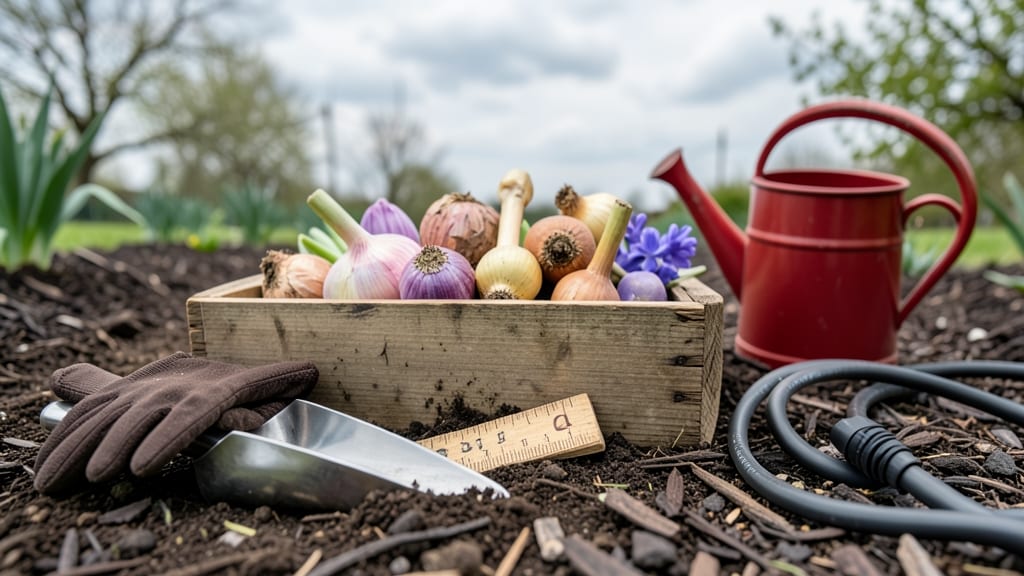
Planting your spring-planted bulbs 🌷 at the wrong time could mean waiting another year for those dreamy blooms—but timing it perfectly guarantees vibrant flowers by next spring. The key? Knowing when to tuck those bulbs into the soil before the ground gets too warm.
In Zone 6 (where I garden), the ideal window is 4–6 weeks before your last frost, usually late February to early March. But if you live in a warmer zone, you might start as early as January, while colder climates could wait until April.
The goal? Give bulbs time to root before the ground thaws.
Here’s the game-changer: soil temperature matters more than the calendar. Aim for 40–50°F—too warm, and bulbs sprout too soon; too cold, and they rot. I’ll show you how to check soil temp and adjust your planting schedule like a pro, so you never miss the perfect moment.
Ready to turn your garden into a springtime showstopper? Let’s break down the exact steps, from soil prep to planting depth, so your 🌷 bulbs burst into color right on schedule.
Best months to plant spring bulbs by USDA hardiness zones
Planting spring bulbs at the right time ensures they establish strong roots before summer heat sets in. The ideal window is 4–6 weeks before your last expected frost date, but this varies dramatically by USDA hardiness zone.
In Zone 3–4 (think Minnesota or Maine), you’ll plant later than in Zone 8–11 (like Florida or Southern California). Let’s break it down by zone so you can time it perfectly.
For most gardeners, the best months to plant are between February and April, but your exact timing depends on your local climate.
For example, in Zone 7 (e.g., Atlanta or Denver), you might plant as early as late February, while in Zone 5 (e.g., Chicago or Boston), waiting until mid-to-late March is safer.
The key is to plant when the soil temperature is below 60°F but still workable—not frozen or soggy.
Here’s the comparison table to help you pinpoint the exact window for your zone:
If you’re in Zone 9–11, you’ll notice planting happens in the winter months (December–January) because summers are too hot for bulbs to establish roots. Meanwhile, gardeners in Zone 3–4 should hold off until March to avoid frost damage.
Pro tip: Use a soil thermometer to confirm temperatures—this is more reliable than guessing by month.
Regional exceptions matter too. For example, Southern California (Zone 9–10) has mild winters, so planting in December is ideal, while New England (Zone 4–5) may need to wait until April in some years.
Check your local last frost date (available via the Old Farmer’s Almanac or NOAA) and count backward 6 weeks for your planting window.
One common mistake? Planting too early in warm zones or too late in cold zones. For instance, if you plant tulips in Zone 7 in May, they’ll bolt to flower too quickly and produce weak blooms.
Conversely, planting daffodils in Zone 4 in January risks frost heaving. The 60°F soil rule is your best friend—wait until the ground is cool but workable.
For container gardening, timing shifts slightly. Potted bulbs can be planted 2–4 weeks later than in-ground bulbs because containers warm up faster. If you’re using pots, aim for late March–April in most zones, even if in-ground planting starts earlier. Just ensure your containers have drainage holes to prevent rot.
Finally, don’t forget to prep your soil before planting. Amend heavy clay with compost or sand to improve drainage, and mix in a bulb-specific fertilizer (like 5-10-10) at planting time. This gives your bulbs a nutrient boost right when they need it most.
With this zone-specific guide, you’ll avoid the heartbreak of missed blooms and instead enjoy a show-stopping spring display. Happy planting! 🌷
How to adjust planting time for early vs. late spring climates
Not all springs are created equal—whether you’re in Zone 3 where winters linger or Zone 9 with mild winters, adjusting your planting schedule can mean the difference between vibrant blooms and missed opportunities.
The key is balancing soil temperature and frost dates with the specific needs of your bulb varieties.
For early spring climates (Zones 7–11), like Southern California or Florida, you can often plant tulips and daffodils as early as February. These regions rarely experience hard freezes, so bulbs can start rooting safely.
In contrast, late spring climates (Zones 3–5), such as the Upper Midwest or New England, should wait until April to avoid frost damage.
🌱 Pro Tip: Use a soil thermometer—bulbs thrive when soil temps hit 50°F (10°C). If your ground is still icy, wait! Planting too soon in cold soil can stunt root growth and lead to weak stems.
Different bulbs have unique timing needs. Daffodils and hyacinths are more forgiving—they tolerate cooler soils and can handle early February planting in Zone 6. Meanwhile, tulips and crocuses prefer slightly warmer soil and may need a 2–4 week delay in colder zones.
If you’re unsure about your local frost dates, check the USDA Plant Hardiness Zone Map and your local cooperative extension service. They provide hyperlocal frost forecasts that can save you from costly mistakes.
For example, Denver (Zone 5) might see its last frost in mid-April, while Seattle (Zone 8) could plant as early as February.
Another trick? Plant some bulbs early (February) and some later (April) to stagger blooms. This extends your spring color show and ensures you’re not left with a single burst of flowers. Just remember: daffodils often bloom first, followed by tulips and hyacinths.
Finally, if you’re in a transition zone (like Zone 6b), err on the side of caution. A late frost can wipe out tender shoots, so wait until you’ve seen consistent 50°F+ temps for at least a week.
Your bulbs will thank you with stronger stems and bigger blooms all season! 🌷