
Plants
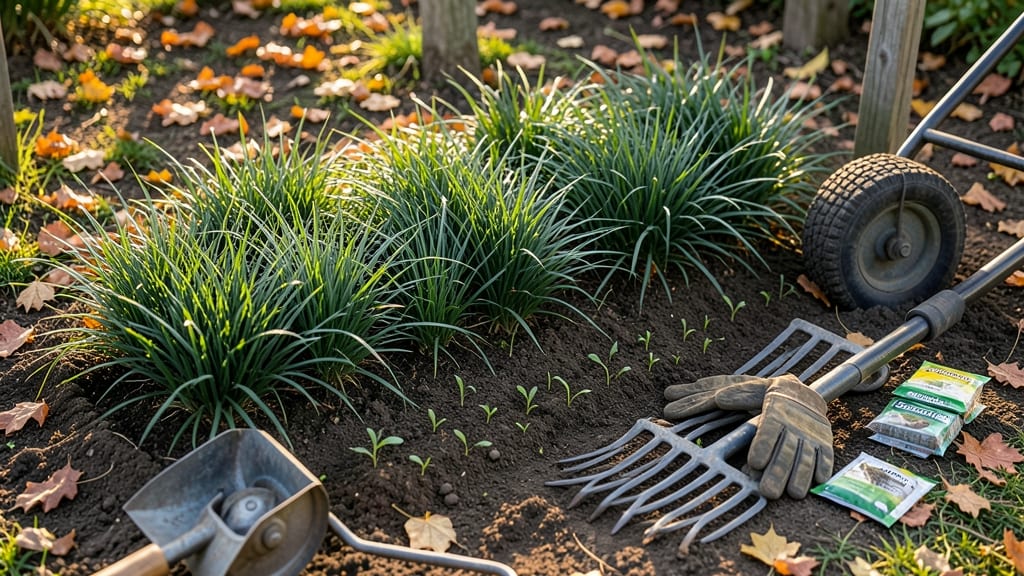
Planting grass in the fall is your best shot at a thick, vibrant lawn by spring—but get the timing wrong, and you’ll end up with patchy, weak growth that struggles to survive winter.
The key lies in those 4-6 weeks before your first frost, when cool air and moist soil create perfect conditions for 🌱 Grass (Turfgrass) roots to take hold.
If you’re in USDA Zone 6a (like much of the Midwest or Northeast), that means aiming for early to mid-September—just as summer’s heat fades and rainfall becomes more reliable.
Too early, and your seeds might bake in the soil; too late, and frost will stunt their growth before they can establish. The good news? Fall planting gives grass a head start on weeds and a stronger foundation for next year.
But here’s where most gardeners trip up: not all regions follow the same schedule. Southern climates can plant later, while northern areas need to act faster.
I’ll break down the exact window for your zone, plus the critical soil prep steps that make or break your success—so you can skip the guesswork and get a lawn that’s the envy of the neighborhood.
Ready to transform your yard? Let’s dive into the ideal months, the signs you’re planting at the right time, and how to troubleshoot if things go sideways. Your future lawn is waiting.
Fall grass planting timeline by US climate zone: exact months for best results
Planting grass in the fall gives your lawn a head start, but the perfect window depends on your climate zone. Cool-season grasses like Kentucky bluegrass and tall fescue thrive when planted 4-6 weeks before the first frost. Warm-season grasses (like Bermuda) are exceptions—focus on late summer instead.
Northern climates (Zones 3-5) have the shortest window: aim for late August to mid-September. Southern zones (6-10) can extend planting until November, but avoid planting when soil temps exceed 75°F—roots struggle to establish.
Transition zones (like the Midwest) face unpredictable frost dates. Use a soil thermometer to confirm temps are 60-75°F—ideal for germination. If your zone’s first frost is October 15, plant by early September.
Regional variations matter: The Pacific Northwest (cooler, wetter) can plant later, while the Deep South risks fungal growth if planting extends past October. Adjust for rainfall patterns too—drought-prone areas need extra moisture.
Cool-season grasses (most common) need 4-6 weeks to establish roots before winter. Warm-season grasses, like Zoysia, should be planted in late summer (August) to avoid heat stress. Always check your USDA zone for precision.
For Northern climates, prioritize late August planting. Cool nights and moderate soil temps help seeds germinate without stress. In the South, stretch planting to November, but stop if soil temps rise above 75°F—roots won’t develop properly.
Use a soil thermometer to confirm temps are ideal for germination. Most cool-season grasses need 60–75°F soil. If your area has unpredictable frosts, err on the earlier side—better to plant too soon than too late.
Pro tip: Overseeding in fall (adding grass seed to existing lawns) works best in September–October. This fills thin spots and crowds out weeds before winter. Just mow shorter first to expose soil for seed contact.
Warm-season grasses like Bermuda or Zoysia are the only exceptions—plant them in late summer (August) to avoid heat stress. These grasses go dormant in winter, so fall isn’t ideal.
5 Critical factors that determine your perfect fall planting window
Planting grass in the fall isn’t just about picking a month—it’s about understanding your local climate, soil conditions, and grass type. These 5 critical factors override calendar advice and ensure your seeds thrive. Let’s break them down so you can plant with confidence.
First, soil temperature is the #1 determinant. Cool-season grasses like Kentucky bluegrass and fescue need soil temps between 60°F and 75°F for germination. Use a soil thermometer to check—if it’s above 75°F, wait. Southern climates can plant later, but Northern zones must act fast.
Next, frost dates dictate your deadline. Aim to plant 4-6 weeks before the first frost—this gives roots time to establish before winter dormancy. Check your USDA hardiness zone (e.g., Zone 5: late August–early October; Zone 8: October–November).
Pro tip: Use the National Oceanic and Atmospheric Administration (NOAA) frost map for precise dates.
Cool-season grasses thrive at 60°F–75°F. Test with a soil thermometer—wait if temps exceed 75°F.
Plant 4-6 weeks before the first frost. Use NOAA’s frost map for your zone’s exact timeline.
Cool-season grasses (e.g., fescue) love fall; warm-season (Bermuda) need spring/summer. Match your seed to your climate.
Don’t overlook rainfall patterns. Fall planting relies on natural moisture, but droughts can stall germination. Aim for 1–1.5 inches of rain weekly or supplement with early-morning watering. Southern regions often get enough rain, while Northern zones may need irrigation.
Finally, pH and soil prep matter—test your soil (ideal pH: 6.0–7.0) and amend with compost or lime if needed.
Use these factors to fine-tune your planting window. For example, if your soil is too hot or frost is too soon, adjust your schedule. The goal? A lush, weed-resistant lawn by spring—no guesswork needed. 🌱