
Plants
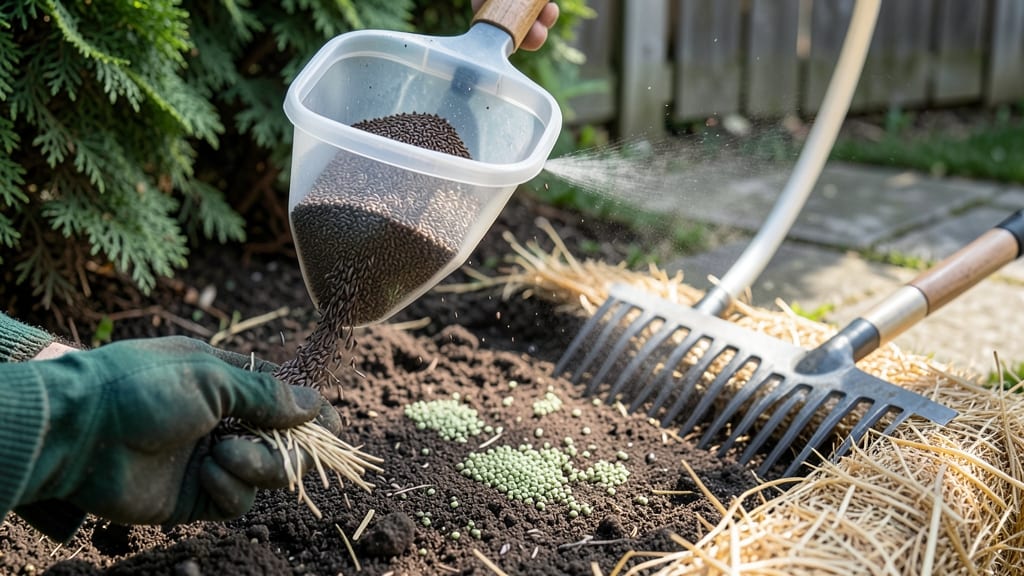
Planting grass seed at the wrong time in spring can turn your green dreams into a patchy nightmare—especially when frost lingers or soil stays too cold.
The key to a thick, vibrant lawn lies in waiting for soil temperatures of 50-65°F and avoiding those sneaky late frosts that kill tender seedlings before they even sprout.
I’ve learned the hard way that rushing too early means wasted seeds and extra work. But timing it just right—4-6 weeks before your last frost date—gives your 🌱 grass the perfect head start.
Whether you’re in a cooler zone like USDA 6a or a warmer region, knowing when to plant makes all the difference.
Beyond the calendar, soil prep and weather play starring roles. Aerating compacted earth, testing pH, and keeping seeds moist (but not soggy) are non-negotiable steps. I’ll walk you through exactly how to check your local conditions and create the ideal environment for germination.
Ready to skip the guesswork? Let’s dive into the perfect spring planting window, zone-by-zone tips, and the simple tricks that’ll have your lawn looking lush in just a few months—no more second-guessing, just results.
Ideal soil temperature & frost-free timeline for spring grass seed planting
Getting your grass seed timing right in spring is all about two critical factors: soil temperature and the last frost date. Grass seeds need consistent warmth (between 50-65°F) to germinate properly, while seedlings are extremely vulnerable to frost damage.
Plant too early, and your seeds may rot or freeze before sprouting.
Most grass types—like tall fescue or Kentucky bluegrass—won’t germinate until the soil reaches at least 50°F (10°C). Cooler-season grasses like ryegrass can handle slightly lower temps (40-45°F), but they’ll still struggle if frost hits.
Warm-season grasses like Bermuda or Zoysia need 65-75°F to thrive, so wait until late spring in warmer climates.
Here’s the golden rule: Plant 4-6 weeks before your last expected frost date. This gives seedlings time to establish roots before summer heat or winter cold stress them out. For example, in USDA Zone 5 (like Chicago or Boston), aim for mid-April when soil temps hit 50°F.
In Zone 8 (e.g., Los Angeles), late spring (May-June) is better to avoid summer drought.
To check your local frost dates, use the National Weather Service or Almanac.com. For soil temperature, a simple soil thermometer (inserted 4 inches deep) is your best tool. If temps dip below 50°F at night, delay planting until conditions stabilize.
Pro tip: Morning soil temps are usually cooler than afternoon readings. Test in the morning for the most accurate gauge of seed-friendly conditions.
🌱 Spring Grass Seed Planting Timeline by Region
| Region/Zone | Last Frost Date | Ideal Planting Window | Soil Temp Threshold | Grass Type |
|---|---|---|---|---|
| Northern (Zones 3-5) | Mid-April to early May | Late April – early May | 50-55°F | Tall fescue, ryegrass |
| Midwest (Zones 6-7) | Early April – mid-May | Early April – late April | 50-60°F | Kentucky bluegrass, fescue |
| Southern (Zones 8-9) | Mid-February – early March | Late March – early May | 60-65°F | Bermuda, Zoysia, St. Augustine |
| Pacific Northwest (Zones 7-8) | Mid-April – early May | Early May – early June | 55-60°F | Fine fescue, ryegrass |
*Adjust for microclimates (e.g., valleys stay cooler longer, urban areas warm faster).
If you’re in a transition zone (like Zone 6-7), split your planting into two batches: early spring for cool-season grasses and late spring for warm-season types. This hedges your bets against unpredictable weather.
Watch for false springs—those warm spells followed by late frosts. A sudden drop below 32°F can kill tender seedlings overnight. Use row covers or lightweight mulch if frost is forecasted within 7-10 days of planting.
Remember, soil temperature matters more than air temperature. Even if the air is warm, cold soil will delay germination. Test it daily until you hit that 50°F sweet spot. Patience here pays off with thicker, healthier grass down the road.
Once your seeds are in the ground, focus on consistent moisture (not soggy soil) and avoid heavy foot traffic until the grass reaches 3-4 inches tall. With the right timing, you’ll see sprouts in 7-21 days, depending on the variety.
Ideal soil temperature & frost-free timeline for spring grass seed planting
Spring grass seed planting success hinges on two critical factors: soil temperature and the last frost date in your region. Grass seeds need consistent warmth to germinate—typically between 50°F and 65°F—while seedlings are vulnerable to frost damage until they reach about 3 inches tall.
Planting too early risks killing tender sprouts, while waiting too long can let weeds take over. The sweet spot? Aim for 4-6 weeks before your last frost date when soil temps stay above 50°F.
To find your exact timeline, check your USDA Plant Hardiness Zone and local almanac records. For example, in Zone 5, last frosts often occur around April 15, so planting in early April is ideal.
In Zone 8, where frosts are rare, you can extend planting into May or even early June. Always verify with your local cooperative extension office for hyper-local insights.
Here’s how to test your soil temperature: Use a soil thermometer (available for under $10) and check temps at 4-inch depth in the morning. If it’s below 50°F, wait—cold soil slows germination and invites disease.
Pro tip: Warm the soil faster by covering bare patches with black plastic mulch for 1-2 weeks before planting.
🌱
Once you’ve nailed the timing, prep your soil by removing debris and loosening the top 2-3 inches with a rake or aerator.
Add a thin layer of compost (¼ inch) to boost nutrients, then lightly rake to create a fine, crumbly texture—this ensures seeds make direct contact with soil and moisture. For large areas, rent a core aerator to create holes for better seed-to-soil contact and water penetration.
After sowing, cover seeds lightly with a ¼-inch layer of soil or compost—never bury them deeper, or they’ll struggle to surface. Then, use a sprinkler with fine mist settings to keep the soil consistently moist (not soggy) for the first 2-3 weeks.
Watering in the early morning prevents fungal growth and ensures seeds stay hydrated without evening evaporation.
Finally, monitor your lawn for even germination. If you see patchy growth, re-seed bare spots immediately and adjust your watering schedule.
With the right timing and care, your grass will establish a dense root system in just 4-6 weeks, outcompeting weeds and giving you that coveted green carpet.
☀️