
Flowers
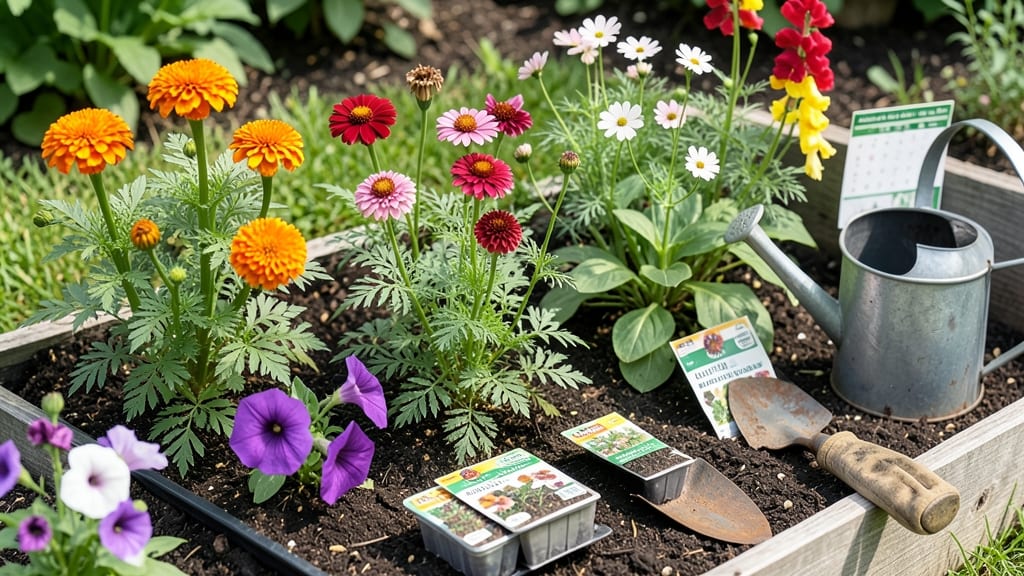
Planting flower seeds 🌸 in Kansas at the wrong time can mean the difference between a vibrant garden and wasted effort. With hardiness zones ranging from 5a to 7a, knowing exactly when to start seeds indoors or sow them directly is the key to success.
Most Kansas gardeners should aim for spring planting between March and May, but the exact timing depends on your zone and last frost date.
In colder areas like 5a, you might need to start seeds indoors as early as February, while warmer regions like 7a can wait until April.
Fall planting is also an option for many perennials, with August and September offering a second chance to add color to your landscape. The trick is understanding how soil temperatures and frost dates play into your planting schedule.
Whether you're growing annuals like zinnias or perennials like coneflowers, I'll walk you through the best months for each, plus tips for preparing your soil and avoiding common mistakes that can ruin your blooms before they even begin.
Kansas hardiness zones 5a-7b: exact flower seed planting months by zone
Kansas spans USDA hardiness zones 5a through 7b, meaning your planting schedule should shift depending on whether you're in western Kansas (warmer zones) or eastern Kansas (cooler zones).
The key is aligning your planting with soil temperature and frost-free dates, which typically range from April 15 in zone 5a to March 20 in zone 7b. For example, marigolds thrive when planted 2-3 weeks after the last frost, while coneflowers can handle cooler soil.
To simplify, I’ve broken down the ideal planting windows by zone and flower type.
Most annuals (like zinnias) should go in April-May, while perennials (like black-eyed Susans) can start earlier in March for a head start. Fall planting for hardy perennials (e.g., asters) happens in August-September to establish roots before winter.
Here’s the visual breakdown of when to plant flower seeds in Kansas, organized by zone and flower category:
| Zone | Flower Type | Planting Window | Soil Temp Threshold | Notes |
|---|---|---|---|---|
| 5a (Eastern KS) | Annuals (Marigolds, Zinnias) | April 20–May 10 | 50°F+ (10°C) | Wait for last frost; use row covers if late. |
| 5a (Eastern KS) | Perennials (Coneflowers, Black-Eyed Susans) | March 15–April 15 | 40°F+ (4°C) | Start indoors in February for earlier blooms. |
| 6a (Central KS) | Annuals (Petunias, Snapdragons) | April 1–May 1 | 50°F+ (10°C) | Direct-sow after frost; mulch to retain warmth. |
| 6a (Central KS) | Perennials (Blanket Flower, Bee Balm) | March 1–April 1 | 45°F+ (7°C) | Hardy; can handle light frosts after planting. |
| 7b (Western KS) | Annuals (Sunflowers, Cosmos) | March 15–April 15 | 55°F+ (13°C) | Warmer soil speeds germination; water deeply. |
| 7b (Western KS) | Perennials (Prairie Coneflower) | February 15–March 15 | 40°F+ (4°C) | Drought-tolerant; minimal watering after establishment. |
| All Zones | Fall Planting (Asters, Goldenrod) | August 1–September 15 | 60°F
Best flowers to plant by season in Kansas (with seed starting tips)Kansas’ growing seasons offer three prime windows for planting flower seeds: early spring, late summer, and fall. Each season brings different favorites—cool-loving annuals like pansies in spring, heat-tolerant zinnias for summer, and hardy perennials like coneflowers in fall. I’ll break down the best picks and whether to start indoors or sow directly in your garden. For spring planting (March–April), focus on cool-season annuals and perennial seeds. These thrive when soil temps hover between 40–60°F. Snapdragons, lobelia, and calendula are my top choices—they handle Kansas’ unpredictable early springs better than heat-lovers. Start tender perennials like black-eyed Susans indoors 6–8 weeks before your last frost date (around April 15 in most zones).
🌱 Spring Stars (March–April)
🌞 Summer Showstoppers (May–June)
🍂 Fall Favorites (August–September)
Kansas’ summer heat (June–July) demands fast-growing annuals that tolerate dry spells. Zinnias and marigolds are my go-tos—they bloom nonstop with minimal fuss. For perennials, blanket flower and prairie coneflower thrive in full sun and drought conditions. Direct-sow these after your last frost, but avoid planting until soil temps hit 60°F—cooler soils slow germination. Fall planting (August–September) lets you extend your bloom time into October. Cosmos and asters are my favorites—they self-seed and handle Kansas’ cool nights beautifully. For perennials, sow seeds 8–10 weeks before your first frost (around October 15). This gives roots time to establish before winter. Sweet Alyssum is a bonus—it blooms in 40 days and even survives light frosts! Pro tip: Use row covers for early spring or late fall plantings to protect seedlings from unpredictable frosts. And always water deeply after sowing—Kansas’ windy conditions dry soil fast. For indoor starts, use grow lights if your home lacks south-facing windows; most flower seeds need 12–14 hours of light daily to germinate. Need a quick reference? Bookmark this: Spring = cool-lovers, Summer = heat-tolerant annuals, Fall = self-seeding perennials. And remember—Kansas soil can be heavy. Amend with compost before planting to improve drainage and fertility. Happy sowing! 🌼 |