
Plants
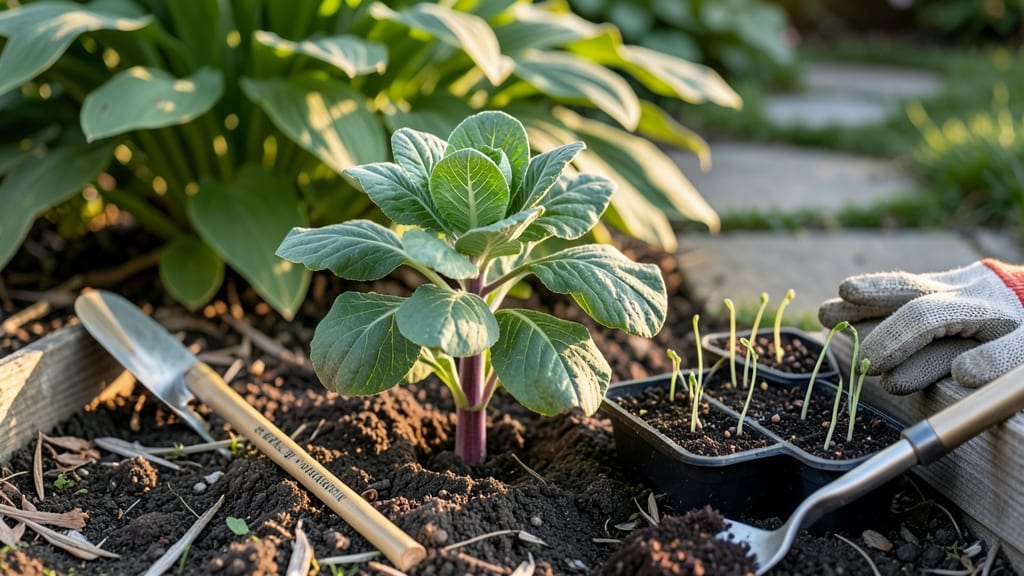
Planting Brussel sprouts 🥦 at the wrong time in Zone 7 can turn your garden into a bitter disappointment—unless you know the exact window for success. These cool-weather lovers need to establish strong roots before summer heat arrives, but many gardeners either rush them too early or wait too late.
Timing is everything for crisp, flavorful harvests that mature before frost hits. In Zone 7, the sweet spot is late summer to early fall, but there’s more to it than just picking a month.
Soil temperature, frost dates, and even your local microclimate play a role in whether your plants thrive or struggle.
I’ll break down the ideal planting window—when to start seeds indoors (if you choose that route) and when to transplant outdoors—plus how to adjust for early or late seasons. With the right strategy, you’ll enjoy a bountiful harvest from October through December, even in Zone 7’s unpredictable climate.
Ready to avoid common mistakes and maximize your yield? Let’s dive into the exact steps to plant Brussel sprouts for success this season.
Optimal planting windows for Brussel sprouts in Zone 7: early vs late season
Brussel sprouts love cool weather, but Zone 7’s warm summers make timing critical. The best planting windows are early spring (March) and late summer (August), each with unique advantages for avoiding heat stress.
For crisp harvests, aim to plant 8-10 weeks before your first frost—typically mid-to-late August in Zone 7.
In Zone 7, the last frost date usually falls around March 15, while the first frost arrives by November 15. This narrow window means you must plan carefully.
Early spring plantings risk bolting (flowering too soon), while late summer plantings give your sprouts time to mature before winter chill sets in.
Soil temperature is key—Brussel sprouts thrive when soil stays below 75°F. In Zone 7, this means avoiding June and July plantings. Instead, focus on March-April for early starts or August-September for fall harvests. Use a soil thermometer to confirm temperatures before planting.
Here’s how to calculate your exact planting dates: Check your local USDA frost chart (like the one for Zone 7) and count back 90 days from your first frost date.
For example, if frost hits November 15, plant by August 15 for a fall harvest. Adjust for your specific microclimate—higher elevations may need earlier starts.
For early spring plantings, start seeds indoors 6-8 weeks before your last frost (around February 15 in Zone 7). Transplant seedlings outdoors after soil warms to 50°F and nighttime temps stay above 40°F. Use row covers to protect young plants from late frosts, which can stunt growth.
Late summer plantings are my favorite for Zone 7—they avoid spring bolting and give you a fall harvest just before frost. Direct-sow seeds August 1-15 for mature plants by October. Space them 18-24 inches apart to prevent overcrowding, which leads to smaller sprouts. Mulch heavily to keep roots cool.
Pro tip: If you miss the August window, try a second late-summer planting in early September. While harvests may be smaller, you’ll still get a few sprouts before frost. Just be prepared to harvest quickly once temps drop below 50°F at night.
One common mistake? Planting too close to frost. Brussel sprouts need 90-120 days to mature, so if you plant in late September, you’ll likely lose your crop to cold. Always check your local frost dates and adjust planting windows accordingly.
Use this rule of thumb: Plant when daytime highs are 80°F but nighttime lows drop below 60°F—this sweet spot signals ideal conditions.
Finally, consider succession planting for a continuous harvest. Sow a small batch every 2-3 weeks from August through September. This spreads out your harvest and reduces the risk of losing everything to a single late frost.
Just remember: Smaller, more frequent plantings beat one big batch that bolts or freezes.
Optimal planting windows for Brussel sprouts in Zone 7: early vs late season
In Zone 7, timing your Brussel sprout planting is critical—these cool-weather crops bolt (go to seed) in summer heat. Your two best windows are early spring (March-April) and late summer (August-September), each with unique advantages and challenges.
For spring planting, aim for 4-6 weeks before your last frost date (typically mid-March in Zone 7). This gives plants time to establish roots before summer arrives. However, spring-planted sprouts often mature just as summer heat sets in, risking bitter flavors or stunted growth.
My go-to strategy? Late summer planting (August) offers the sweet spot—sprouts grow through cool fall temperatures and mature before winter frost. With 90 days to harvest, this window ensures crisp, flavorful sprouts.
| Planting Window | Best Months | Soil Temp (°F) | Days to Harvest | Key Risk |
|---|---|---|---|---|
| Early Spring | March-April | 45-55°F | 90-120 | Summer bolting |
| Late Summer | August-September | 50-60°F | 80-90 | Early frost |
🌱 Pro Tip: Test soil temperature with a thermometer—ideal range is 50-60°F for germination.
To calculate your exact dates, check your local frost chart (Zone 7's average last frost is March 15, first frost November 15). For late summer planting, count back 90 days from your first frost date—this ensures a harvest before winter sets in.
I recommend direct sowing in late summer for stronger plants, but if starting indoors, begin seeds 6-8 weeks before transplanting (around July). Use biodegradable pots to avoid root disturbance when moving outdoors.
For both windows, choose compact varieties like 'Long Island Improved' or 'Ruby Ball'—they mature faster and handle Zone 7's heat better. Always plant in well-draining soil with a pH of 6.0-7.0 for optimal growth.