
Plants
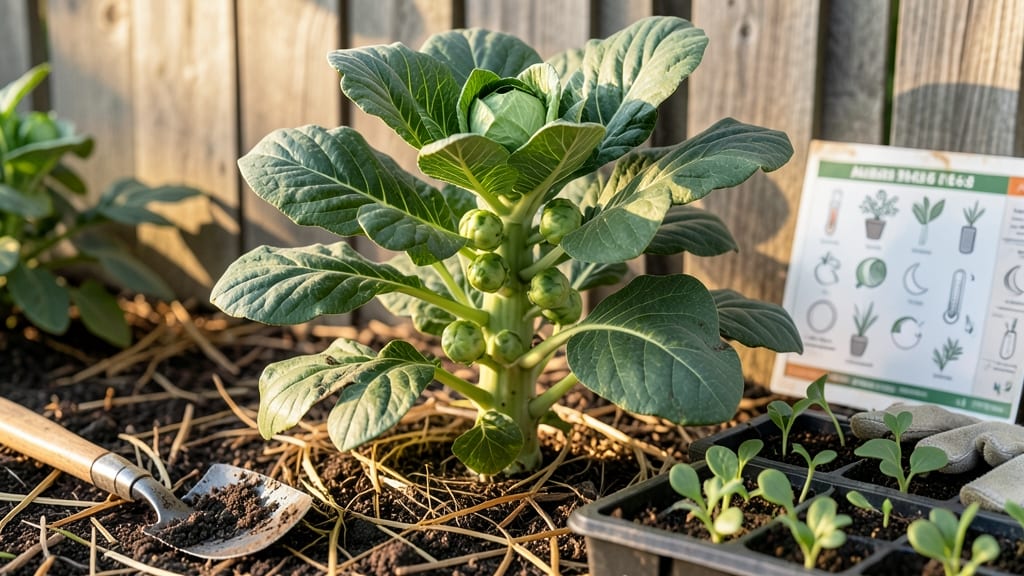
Planting Brussel sprouts 🥦 in Arkansas isn't just about timing—it's about outsmarting the state's unpredictable shifts from sweltering summers to crisp autumns. Get the schedule wrong, and you'll either watch your plants bolt in the heat or freeze before they mature.
The key? Knowing exactly when to plant for that perfect balance of cool weather and frost-free days.
Most Arkansas gardeners swear by two planting windows: late July to early August for fall harvests and mid-March to early April for spring crops. But here's the catch—your USDA zone (7a-8b) plays a huge role in fine-tuning those dates.
Plant too early, and summer heat will turn your sprouts bitter; too late, and frost will nip them before they bulk up.
I've learned the hard way that success with Brussel sprouts in Arkansas comes down to three things: starting seeds indoors for a head start, monitoring soil temperatures, and never ignoring your local frost dates.
Let me walk you through the exact steps to nail your planting schedule—so you can enjoy homegrown harvests from October through December.
Whether you're a first-time gardener or a seasoned grower, these proven strategies will help you avoid common pitfalls and maximize your yield. Ready to grow crisp, flavorful Brussels that rival the best farmers' market finds? Let's get started.
Best planting windows for Brussel sprouts in Arkansas (with frost dates)
Arkansas gardeners enjoy a perfect climate for growing Brussel sprouts thanks to its moderate winters and long growing season. However, timing your plantings correctly is crucial to avoid bolting (premature flowering) or stunted growth from heat stress.
Most of Arkansas falls within USDA zones 7a-8b, which means you have two ideal planting windows: early spring and late summer for fall harvests.
The key to success lies in understanding your average frost dates. In Arkansas, the last spring frost typically occurs around March 15, while the first fall frost usually arrives by November 15.
These dates serve as your planting anchors—plant too early, and your sprouts may bolt; too late, and they won’t mature before winter sets in.
| Planting Window | USDA Zones 7a-8b | Key Deadlines | Notes |
|---|---|---|---|
| Spring Planting | March 15 - April 15 | Harvest: April - May | Start seeds indoors 4-6 weeks before last frost (Feb 1-15). Transplant after soil reaches 50°F (10°C). |
| Fall Planting | July 15 - August 15 | Harvest: October - December | Plant 80-90 days before first frost (late July-early Aug). Use row covers to extend harvest into winter. |
| Late Summer Succession | August 1 - September 1 | Harvest: November - December | For second crops, plant fast-maturing varieties (e.g., 'Long Island Improved') and protect with cold frames. |
For spring plantings, begin seeds indoors 4-6 weeks before your last frost date (typically February 1-15 in Arkansas). Once seedlings are 3-4 inches tall and the soil warms to at least 50°F (10°C), transplant them outdoors.
This timing ensures they mature before late-spring heat waves trigger bolting—a common issue in Arkansas’ Zone 8a areas.
Fall plantings are often more rewarding in Arkansas because cooler temperatures prevent bolting. Aim to plant 80-90 days before your first frost (usually late July to early August).
This gives your sprouts enough time to develop a strong root system before winter slows growth. Pro tip: Choose compact varieties like 'Ruby Ball' or 'Tasty Purple' for smaller gardens or containers.
If you’re in northern Arkansas (Zone 7a), where winters are slightly colder, prioritize fall plantings and use row covers or straw mulch to protect plants from light frosts.
In southern Arkansas (Zone 8a), you can experiment with late summer succession plantings (August-September) for a winter harvest, but be prepared to harvest quickly before temperatures drop too low.
Always check your local frost dates—they can vary by 1-2 weeks depending on microclimates.
Websites like the Arkansas Climate Office or Almanac’s Frost Calculator provide hyper-local data to fine-tune your schedule. Soil temperature is just as critical as air temperature; use a soil thermometer to confirm it’s above 50°F (10°C) before planting.
One common mistake Arkansas gardeners make is planting too early in spring and watching their sprouts bolt when temperatures rise above 75°F (24°C). To avoid this, harden off seedlings properly and provide afternoon shade during heat spikes.
For fall plantings, overestimating maturity time can lead to frost-damaged crops—always account for Arkansas’ unpredictable late-summer heat.
For maximum yield, pair your planting schedule with succession planting. After harvesting your first fall crop, sow a second batch in late August using fast-maturing varieties. This ensures a continuous harvest from October through December, even as temperatures dip. **🥦
Best planting windows for Brussel sprouts in Arkansas (with frost dates)
Arkansas gardeners enjoy a 180-day growing season, perfect for Brussel sprouts that need cool weather to thrive. The key is planting when soil temperatures stay below 75°F—any hotter, and your plants will bolt prematurely.
Most of Arkansas falls in USDA zones 7a-8b, giving you two prime windows: early spring and late summer.
For a fall harvest, aim to plant 4-6 weeks before your first frost (around mid-July to early August). This gives your plants 90-120 days to mature before winter sets in.
If you miss this window, don’t worry—spring planting (mid-March to early April) can yield a late spring harvest just before summer heat arrives.
| Planting Window | USDA Zones | Key Deadlines | Harvest Time |
|---|---|---|---|
| Mid-March to Early April | 7a-8b | Before April 15 (soil temp <75°F) | April-May (late spring) |
| Late July to Early August | 7a-8b | Before August 15 (90 days to frost) | October-December (fall) |
Pro tip: Check your local frost dates—northern Arkansas (like Bentonville) may have earlier frosts than southern areas (like Little Rock). Use the Arkansas Cooperative Extension Service frost maps to fine-tune your schedule.
For example, if your first frost is November 1, plant by July 20 for a full harvest.
If you’re starting seeds indoors, begin 6-8 weeks before transplanting. Use grow lights or a sunny windowsill to avoid leggy seedlings. Harden them off for 7-10 days before moving to the garden—this step is critical in Arkansas’s humid summers, where sudden heat shocks can stress young plants.
For direct sowing, wait until soil temps drop below 70°F (use a soil thermometer to check). In Arkansas, this usually means late August for fall crops. Thin seedlings to 18-24 inches apart to prevent overcrowding, which leads to smaller sprouts and poor air circulation.
Remember: Brussel sprouts need consistency. Planting at the wrong time won’t just reduce yield—it can make your harvest bitter or woody. Stick to these windows, and you’ll enjoy sweet, tender sprouts straight from your Arkansas garden! 🥦