
Plants
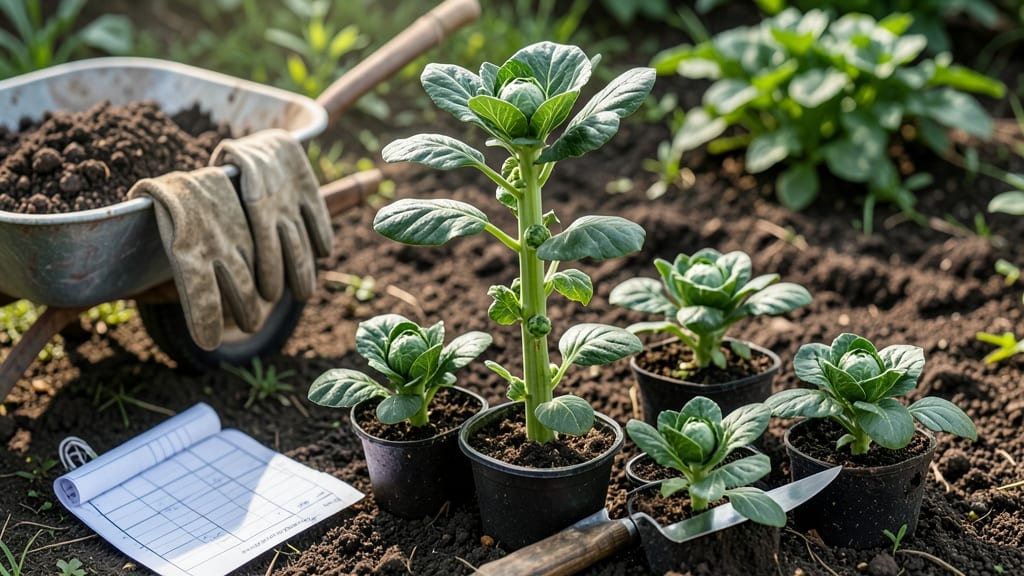
To plant Brussel sprouts 🥦 in Illinois and guarantee a bountiful harvest, timing is the game-changer—especially when you want those frost-sweetened flavors. Most gardeners in zones 5-6 miss the mark by planting too late in spring or too early in summer, risking bolting or stunted growth.
Here’s the secret: start your Brussel sprouts between mid-April and early June for a fall harvest, or switch to late July–early August for a winter crop. These windows align with Illinois’ cool seasons, where temperatures stay just right for steady growth before the first frost in mid-October.
Whether you’re direct-sowing seeds or transplanting seedlings, soil warmth matters—aim for 45–55°F to kickstart germination without heat stress. I’ll show you how to adjust for Illinois’ microclimates, from northern chill to southern humidity, so your 🥦 plants thrive year after year.
Skip the guesswork: learn the exact steps to time your planting for maximum yield, including when to protect young sprouts from late-spring heatwaves. Let’s get your garden on track for a harvest that’ll make your neighbors jealous.
Best planting windows for Brussel sprouts in Illinois: direct sow vs transplant
Timing your Brussel sprouts correctly in Illinois means the difference between a bountiful harvest and wilted disappointment. Since Illinois spans USDA Zones 5-7, we’ll break down the perfect windows for both direct sowing and transplanting seedlings, accounting for frost dates and soil warmth.
The key? Plant when soil temps hit 45°F and nights stay above 50°F—this gives your sprouts the cool weather they crave.
For spring planting, aim for mid-April to early June in most of Illinois. This ensures your plants mature before summer’s heat sets in. In northern Illinois (Zone 5), start slightly later—late April to early May—to avoid early frost damage.
Southern Illinois (Zone 7) can push planting to early June, but be ready to harvest by early fall before temps climb too high.
Fall planting is where Brussel sprouts truly shine in Illinois. Sow seeds late July to early August for a harvest in October and November, when frost sweetens their flavor.
In Zone 5, you can even extend this to early September for a late-winter harvest, provided you protect plants with row covers or mulch.
| Planting Method | Best Time (Zone 5) | Best Time (Zone 6) | Best Time (Zone 7) | Soil Temp Requirement | Notes |
|---|---|---|---|---|---|
| Direct Sow Spring | Late April–Early May | Mid-April–Early June | Early May–Early June | 45–50°F | Thin seedlings to 18" apart |
| Transplant Spring | Early May–Mid-May | Late April–Early June | Early May–Early June | 50°F+ | Use 6-week-old seedlings |
| Direct Sow Fall | Late July–Early Sept | Late July–Early Aug | Late July–Early Aug | 50–60°F | Harvest before hard frost |
| Transplant Fall | Early Aug–Early Sept | Late July–Early Aug | Late July–Early Aug | 55°F+ | Avoid bolting with cool nights |
If you’re transplanting seedlings, buy 6-week-old plants from a nursery and harden them off for a week before setting them out. For direct sowing, scatter seeds ½ inch deep, 18 inches apart in rows 3 feet apart.
Thin seedlings to avoid competition—crowded plants produce smaller sprouts. Pro tip: Use black plastic mulch in spring to warm soil faster and deter weeds.
Watch for soil temperature cues: Use a soil thermometer to confirm 45°F+ for spring planting or 50°F+ for fall. In Illinois, soil warms up faster in southern regions, so adjust your timeline if you’re near Zone 7.
For example, in Champaign, you might plant 10 days earlier than in Chicago.
One common mistake? Planting too close to summer’s heat. Brussel sprouts bolt (flower prematurely) when days exceed 80°F. If you miss the spring window, opt for shade cloth or grow them in containers to move indoors during heatwaves.
For fall crops, prioritize late July plantings—this gives them time to mature before frost.
For a second harvest, try succession planting: Sow a new batch every 2 weeks from July to early August. This staggers your harvest and ensures a steady supply of fresh sprouts.
Just remember: Brussel sprouts need 6+ hours of sun daily, so choose a south-facing spot with well-draining soil. Amend clay soil with compost to improve drainage—waterlogged roots lead to rot.
Finally, mark your calendar for Illinois’ average frost dates: Mid-April for last frost and Mid-October for first frost. Use these as your planting anchors. In Zone 5, you can even harvest sprouts after light frosts—they taste sweeter! Just avoid heavy freezes, which damage the plants.
With these windows, you’ll avoid the 3 biggest mistakes: planting too early (frost damage), too late (heat stress), or ignoring soil temps. Stick to these guidelines, and you’ll enjoy homegrown Brussel sprouts from October through December—just in time for holiday meals! 🥦
How to extend your Brussel sprouts growing season in Illinois
Illinois gardeners know that Brussel sprouts love cool weather—but our state’s unpredictable heatwaves and early frosts can cut harvests short. The key to success? Strategic season extension that protects your plants while maximizing frost-enhanced flavor.
With the right techniques, you can grow Brussel sprouts from early summer straight through winter, even in USDA Zones 5-6.
Start with succession planting—sow seeds every 2-3 weeks from mid-April through early June for a staggered harvest. This ensures you always have mature plants when cooler weather arrives, avoiding the heat stress that stunts growth during July and August.
For fall plantings, begin in late July to give sprouts time to establish before temperatures drop.
🌱
- Row Covers for Heat Protection
- Cold Frames for Fall/Winter
- Companion Planting
- Mulching for Soil Stability
- Harvest Strategically
For northern Illinois (Zone 5), focus on fall plantings with row covers, while southern Illinois (Zone 6) can attempt a spring-to-fall cycle with succession sowing. Always monitor soil temperature—ideal planting conditions require 45-50°F for germination.
Use a soil thermometer to avoid planting too early when cold, wet soil delays sprouting.
Pro tip: If your Brussel sprouts bolt prematurely (send up flower stalks), it’s a sign of heat stress. Provide afternoon shade with shade cloth during peak summer months to buy time until cooler weather returns. With these extensions, you’ll enjoy homegrown sprouts from September through December!
✂️