
Plants
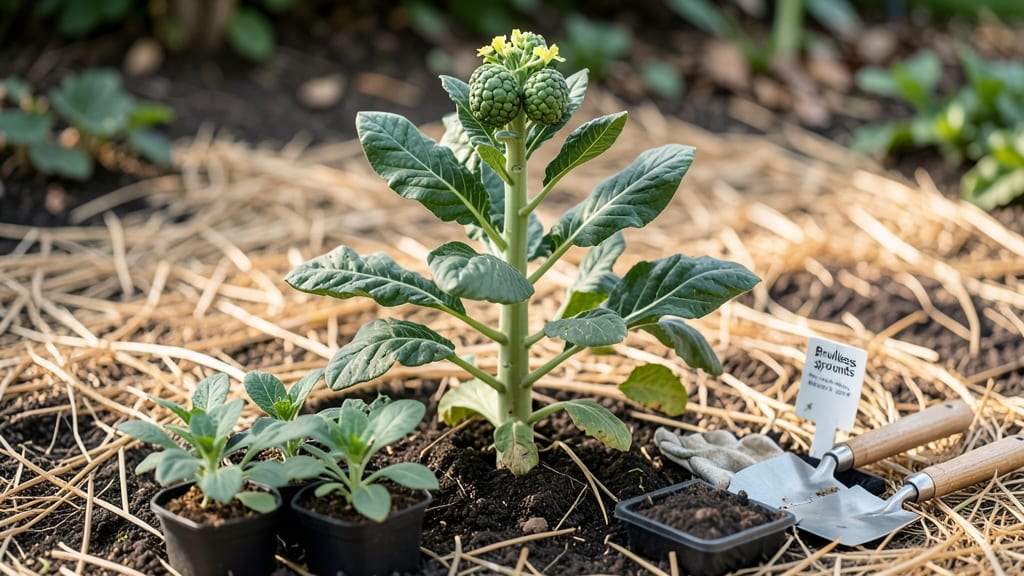
Planting Brussel sprouts 🥦 in Virginia at the wrong time can turn your garden dreams into a bitter disappointment—but get the timing right, and you’ll enjoy a harvest that tastes sweeter than store-bought.
The key lies in Virginia’s unique climate, where cool nights and crisp air help these cold-hardy veggies thrive, but only if you plant them when the soil is ready and the frost isn’t lurking.
For most Virginia gardeners in zones 7a-7b, the best windows are late March to early April for spring planting or August to early September for a fall harvest.
These timelines align with soil temperatures that encourage strong root growth while avoiding the heat stress that can make sprouts bolt prematurely. But here’s the catch: rushing too early in spring or waiting too late in fall can leave you with stunted plants or a harvest that never materializes.
Whether you’re starting seeds indoors or sowing directly outside, understanding your local frost dates and microclimates is the game-changer for success. I’ll walk you through the exact steps to time your planting perfectly, from seedling prep to extending your growing season with simple tricks that work in Virginia’s variable weather.
Ready to grow Brussel sprouts 🥦 that rival your favorite restaurant’s side dish? Let’s dive into the strategies that’ll have you harvesting flavorful sprouts from October through December—no guesswork required.
Optimal planting windows for brussel sprouts in Virginia’s climate zones
Virginia’s diverse climate zones—ranging from USDA Zone 5a in the mountains to Zone 8a along the coast—create unique planting challenges for brussel sprouts. These cool-season crops thrive when soil temperatures stay between 45°F and 75°F, making timing critical to avoid bitter flavors or stunted growth.
In my Zone 7b garden, I’ve learned that planting too early in spring or too late in fall can turn sweet sprouts into tough, woody disappointments.
For most of Virginia, the ideal planting windows are late March to early April for spring harvests and August to early September for fall yields.
However, gardeners in cooler mountain regions (Zones 5a-6a) can start even earlier—sometimes as soon as mid-February—while coastal gardeners in Zone 8a may need to delay until April or September to avoid summer heat stress.
Brussel sprouts are biennial plants, meaning they produce best in their second year. This means you’ll often need to start seeds indoors 6-8 weeks before your last frost date (typically April 15 in Virginia) or direct-sow in fall for a winter harvest.
My first attempt at direct-sowing in Zone 7b failed when a late frost hit—so I now transplant seedlings instead for better control.
| Zone | Spring Planting | Fall Planting | Key Consideration |
|---|---|---|---|
| 5a-6a (Mountains) | Mid-February to March 15 | July 15 to August 15 | Longer frost-free season; use row covers |
| 7a-7b (Central VA) | Late March to April 1 | August 1 to September 1 | Avoid summer heat; mulch heavily |
| 8a (Coastal) | April 15 to May 1 | September 1 to September 15 | High humidity; space plants for airflow |
Soil temperature is more critical than air temperature for brussel sprouts. Use a soil thermometer to confirm temperatures are above 45°F before planting—cold soil can delay germination by weeks.
In my garden, I’ve seen seeds take 10-14 days to sprout in 50°F soil versus just 5-7 days in 60°F soil. Warmer soil also reduces the risk of damping-off disease, a fungal issue common in Virginia’s humid summers.
Fall planting requires precise timing to ensure sprouts mature before hard frosts (typically November 1 in Virginia). Aim to plant 90-100 days before your first frost—so if you’re in Zone 7b, that means late August.
I once planted too late in September and ended up with tiny, underdeveloped sprouts by December. The key is balancing mature plant size (2-3 feet tall) with frost tolerance—these plants can handle light frosts but won’t sweeten properly if exposed to freezing temperatures too early.
For gardeners in warmer zones (8a), consider succession planting every 2-3 weeks in fall to stagger harvests. This works especially well in coastal Virginia, where mild winters allow for extended growing.
I’ve had success with ‘Long Island Improved’ and ‘Jade Cross’ varieties, which handle heat better than traditional types. Always choose disease-resistant varieties like ‘Ruby Ball’ to avoid Virginia’s common clubroot disease.
One common misconception is that brussel sprouts can be planted anytime they’re not bolting. In reality, high summer temperatures (above 80°F) cause them to bolt prematurely, sending up flower stalks and ruining the crop.
That’s why I always plant fall crops by August 15—any later, and the heat becomes a problem. If you miss this window, try shade cloth or drip irrigation to keep soil cool.
Finally, microclimates play a huge role in Virginia. A north-facing garden in Zone 7b might stay cool enough for late spring planting, while a south-facing bed could get too hot.
I’ve had successful late-May plantings in shaded areas but failed attempts in full sun. Always observe your garden’s unique conditions and adjust dates accordingly.
With the right timing, your brussel sprouts will reward you with sweet, flavorful harvests from October through December. The key is patience and precision—whether you’re planting in the mountains, Piedmont, or coastal plains of Virginia.
Start with these zone-specific windows, and you’ll be well on your way to a bountiful, frost-sweetened crop.
How to extend the growing season for fall-harvested brussel sprouts
Virginia’s warm summers can challenge fall Brussel sprout harvests, but with the right strategies, you can push your planting window later for sweeter sprouts in November and December.
The key lies in succession planting, season extension tools, and smart soil prep to avoid heat stress that triggers early bolting.
Start by planting successive batches every 2-3 weeks from mid-August to early September. This staggered approach ensures a continuous harvest window, even as temperatures dip. For example, a batch planted on August 15 will mature by late October, while a September 1 planting can yield into November.
To protect young plants from late-summer heat waves, use floating row covers or lightweight shade cloth (30-50% shade) during the hottest afternoons. These barriers reduce soil temperatures by 10-15°F, preventing stress that can turn sprouts bitter. Remove them in the morning to allow full sun exposure for photosynthesis.
Step-by-Step Guide to Extending Your Fall Harvest
- Soil Prep: Amend beds with compost and aged manure 4-6 weeks before planting to boost organic matter. Aim for a pH of 6.0-7.0—Brussel sprouts thrive in slightly acidic to neutral soil.
- Seed Starting: Begin indoor seedlings 6-8 weeks before your target outdoor planting date (e.g., July 15 for a September 1 transplant). Use biodegradable pots to avoid root disturbance.
- Transplant Timing: Move seedlings outdoors 4-6 weeks before your first frost date (typically late August to early September in Virginia). Harden off plants for 7-10 days before transplanting.
- Season Extension: Install low tunnels or hoop houses with frost cloth once nighttime temperatures drop below 40°F. This can delay frost damage by 2-4 weeks and protect tender sprouts.
- Harvest Strategy: Pick sprouts from the bottom up, leaving the top leaves intact to shield developing buds. Use pruning shears to cut stems cleanly, and harvest every 5-7 days to encourage continuous production.
Another game-changer is mulching. Apply a 4-inch layer of straw or shredded leaves around plants in early September to insulate roots and retain moisture. This reduces soil temperature swings by up to 10°F, which is critical during Virginia’s unpredictable fall weather.
Just be sure to avoid piling mulch against stems to prevent rot.
For gardeners in warmer Virginia zones (7b-8a), consider interplanting with fast-maturing crops like radishes or lettuce in the same bed. These shade-tolerant companions can be harvested before the Brussels sprouts mature, freeing up space for your main crop.
Just avoid planting tomatoes or cabbage nearby—they compete for nutrients and attract similar pests.
Finally, monitor your plants for signs of bolting, like elongated stems or yellowing leaves. If you notice this in late September, it’s likely due to heat stress. Immediately provide afternoon shade and increase watering to 1.5 inches per week to cool the soil.
With these adjustments, you can enjoy homegrown Brussels sprouts well into Virginia’s winter—when store-bought options are scarce and expensive.