
Plants
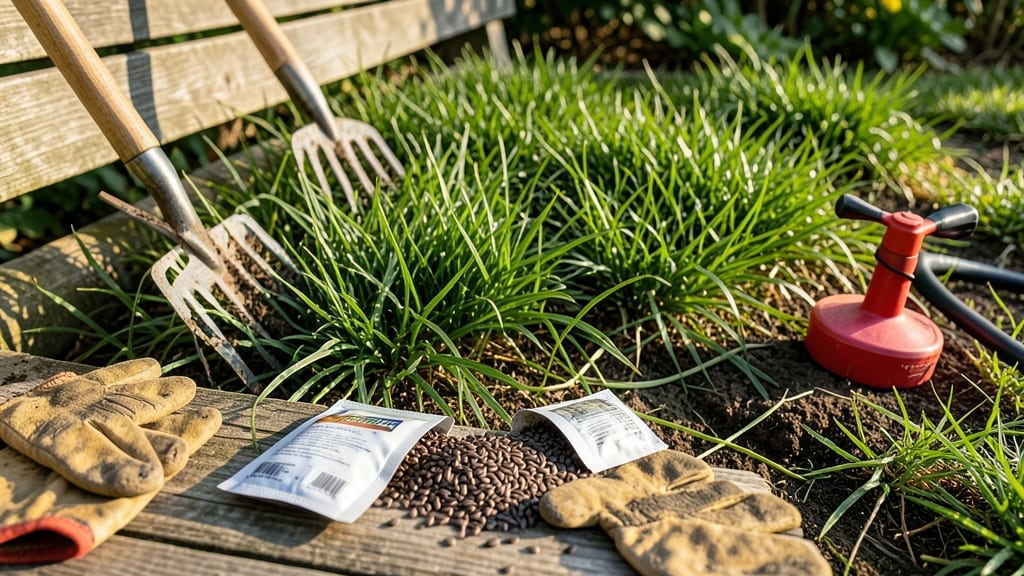
Planting Bermuda seed in Oklahoma at the wrong time can leave you staring at a patchy lawn instead of the lush, heat-resistant turf you want. The key to success lies in waiting for that warm soil window—typically between late April and mid-May—when temperatures consistently hit 70°F+.
Why does this matter? Bermuda grass 🌱 thrives in Oklahoma’s 6b-8a zones, but cold soil slows germination to a crawl. Planting too early risks frost damage, while waiting too long means missing the optimal growth window.
Let’s break down the exact timing, soil prep, and microclimate tips to get your lawn off to a fast start.
You’ll learn how to test soil readiness, adjust for northern vs. southern Oklahoma’s last frost dates, and avoid common mistakes that waste seed. Whether you’re seeding a new yard or overseeding an existing one, these insights will help you skip the guesswork and plant with confidence.
From irrigation schedules to fertilizer timing, we’ll cover everything you need to know for a Bermuda lawn that stays thick and green all summer. Ready to transform your yard? Let’s get started.
Oklahoma’s ideal Bermuda seed planting window: soil temperature matters most
Bermuda grass thrives in Oklahoma’s heat, but seed germination hinges on soil temperatures. Unlike cool-season grasses, Bermuda needs consistently warm soil (70°F+) to sprout. In Oklahoma, this typically aligns with late April to mid-May—after the last frost but before summer’s peak intensity.
Northern Oklahoma (USDA Zone 6b) may wait until early May, while southern regions (Zone 8a) can plant as early as late April.
Why? Bermuda seeds won’t germinate below 65°F, and cold soil can cause rot. Even if air temperatures feel spring-like, soil warmth is the true trigger. Use a soil thermometer to confirm readiness—plant only when readings hit 70°F for 3+ consecutive days.
This precision prevents wasted seed and ensures a dense, fast-growing lawn by summer.
🌱
| Oklahoma Region | USDA Zone | Last Frost Date | Ideal Planting Window | Soil Temp Threshold |
|---|---|---|---|---|
| Northern OK (Tulsa, OKC) | 6b | March 15 | May 1–15 | 70°F+ (May) |
| Central OK (Oklahoma City) | 7a | March 1 | April 20–May 10 | 70°F+ (late April) |
| Southern OK (Lawton, Altus) | 8a | February 15 | Late April–early June | 70°F+ (April) |
Timing isn’t just about dates—it’s about soil conditions. Bermuda seeds need moisture but not soggy soil. If you plant too early (e.g., March), cold soil can delay germination by weeks or trigger fungal diseases.
Conversely, planting in June or later risks heat stress on young seedlings, even though Bermuda loves heat as an established lawn.
Pro tip: Check Oklahoma State University’s frost date maps for your exact location. For example, Lawton (Zone 8a) can plant 2–3 weeks earlier than Tulsa (Zone 6b).
Microclimates—like south-facing slopes—can also warm up 1–2 weeks faster than shaded areas. Use a soil thermometer ($10 at garden centers) to avoid guesswork.
Once soil hits 70°F+, germination typically occurs in 7–14 days. But if you see slow or uneven sprouting, check for these red flags: soil too dry, seed too deep (max ¼ inch), or shade blocking sunlight.
Bermuda grass is aggressive once established, but getting that first germination right is half the battle.
For a head start, consider warming your soil in early spring. Lay down black plastic mulch for 2–3 weeks before planting to raise soil temps by 5–10°F.
This trick is especially useful in northern Oklahoma where soils warm slower. Just remove the plastic 1–2 days before planting to avoid overheating seeds.
Finally, avoid planting in Oklahoma’s summer months (June–August). While Bermuda grass loves heat, young seedlings can’t handle 90°F+ soil temps. Instead, aim for spring planting to give your lawn 3–4 months of growth before winter dormancy. This ensures a thicker, more resilient turf by next summer.
🌡️
Oklahoma’s ideal Bermuda seed planting window: soil temperature matters most
Bermuda grass thrives in Oklahoma’s heat, but planting it too early can spell disaster—seeds need soil temperatures of at least 70°F to germinate properly.
In Oklahoma’s USDA zones 6b-8a, this typically means waiting until late April to mid-May for most regions, though southern Oklahoma (like zone 8a) can start as early as mid-April. Northern Oklahoma (like zone 6b) may need to wait until early June if spring stays cool.
Why? Bermuda seeds won’t sprout below 65°F, and early planting risks frost damage or slow growth. Use a soil thermometer to confirm readiness—aim for 70-75°F at a 2-inch depth.
Oklahoma State University Extension recommends monitoring soil temps for 5-7 consecutive days above 70°F before planting. This ensures your seeds wake up and grow, not rot in cold soil.
| Oklahoma Region | Best Planting Window | Soil Temp Requirement | Last Frost Date |
|---|---|---|---|
| Northern OK (Zone 6b) | Late May to early June | 70-75°F (consistent) | March 15 |
| Central OK (Zone 7a) | Late April to mid-May | 70-75°F (5+ days) | March 1 |
| Southern OK (Zone 8a) | Mid-April to early May | 68-72°F (3+ days) | February 15 |
Timing isn’t just about frost—it’s also about competition from weeds. Bermuda seeds germinate faster in warm soil, outpacing weeds like crabgrass. If you plant too late (after mid-June), your lawn may struggle to establish before summer’s peak heat.
Pro tip: Use a black plastic mulch for 2-3 weeks before planting to warm the soil faster in cooler zones.
Don’t forget that Bermuda grass is warm-season, meaning it goes dormant in winter. Planting too late in the season (after July 1st) gives it less time to root deeply before dormancy.
Aim for a 6-8 week growing window before Oklahoma’s first frost (typically mid-November in most zones). This gives your grass time to develop strong roots and crowd out weeds.
For extra insurance, check your local Oklahoma Mesonet station for real-time soil temps. Their data is free and updated hourly—perfect for confirming your planting window. If temps dip below 70°F for more than a few days, wait another week.
Patience now means a thicker, greener lawn come summer, not a patchy mess.
Once you’ve nailed the timing, the next step is soil prep—and that’s where many gardeners trip up. Skipping this step can lead to poor germination, even with perfect timing. We’ll cover your pre-planting