
Plants
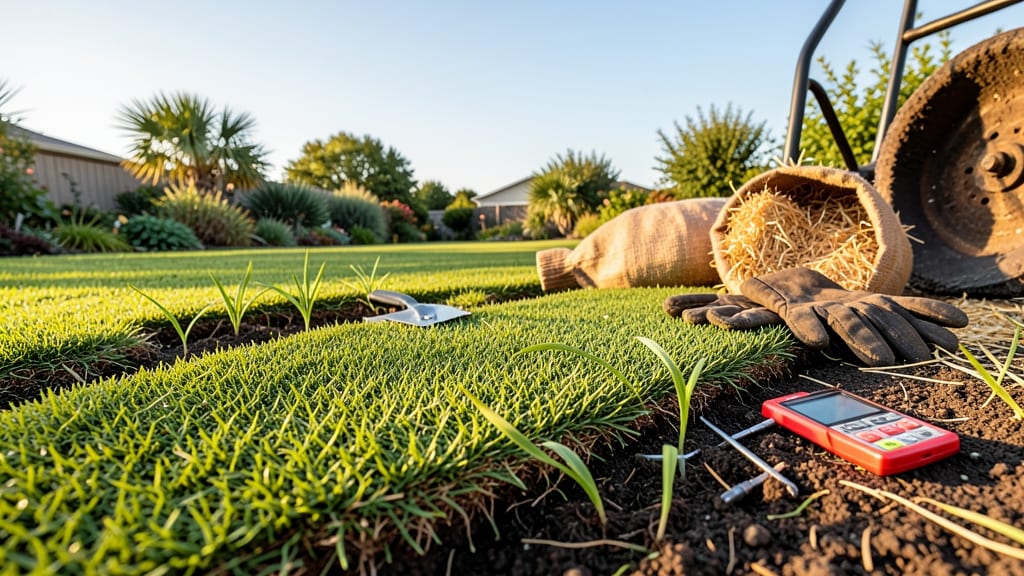
Planting Bermuda grass 🌱 in Tennessee isn’t just about dropping seeds and hoping for the best—it’s about timing it perfectly to beat the heat and avoid frost. If you get the schedule wrong, you’ll end up with patchy growth or a lawn that struggles to recover after winter.
The key? Starting when soil temps hit 65°F+ and sticking to the spring or late summer windows most gardeners overlook.
Most Tennessee homeowners assume Bermuda grass is a summer-only plant, but that’s a common mistake. The truth is, early spring (March-April) or late summer (August-September) are your best bets—especially in zones 6a-7b, where frost can still sneak in.
I’ve seen lawns fail because they planted too early, only to watch the seeds freeze before they even sprouted. Don’t let that happen to you.
What you’ll discover here is how to read your soil’s temperature (yes, it matters more than the calendar), when to adjust for late frosts, and why August planting gives your grass a head start before winter.
Plus, I’ll share the one trick I use to ensure my lawn stays thick year-round—no guesswork, just science-backed timing.
Ready to grow a Bermuda grass lawn that stays green through Tennessee’s brutal summers? Let’s break down the exact windows, tools, and care steps you need to succeed—without wasting a single seed.
Optimal planting timeline for Bermuda grass in Tennessee by region
Tennessee’s diverse climate—from the mountains of East Tennessee to the Delta plains—means Bermuda grass planting times vary by region. The key is planting when soil temperatures hit 75°F+ and before the first frost (November 15 in most areas).
Let’s break it down by Tennessee’s three main regions to avoid winter kill and ensure strong root establishment.
For East Tennessee (USDA Zones 6b-7a), like Knoxville and Chattanooga, the growing season is shorter, so aim for late April to early May for spring planting. This region’s cooler nights and higher elevation mean soil warms slower, so wait until daytime highs consistently hit 80°F+ before planting.
Late summer planting here works too—mid-August to early September—but rush to finish before September 15 to allow 6-8 weeks of growth before frost.
Middle Tennessee (Zones 7a-7b), including Nashville and Murfreesboro, offers the most flexibility. Spring planting here starts as early as mid-April in southern areas, but wait until late April in northern parts. For summer planting, late July to mid-September works best, with August 15 being the sweet spot for most lawns. This region’s hotter summers speed up germination, but avoid planting after September 1 to prevent winter die-off.
In West Tennessee (Zones 7b-8a), like Memphis and Jackson, you can plant earlier in spring (mid-March to April) thanks to warmer soils. Summer planting here extends to late August to early October, but stop by September 15 to ensure roots establish before cooler weather.
This region’s longer growing season lets you push the envelope, but soil temperature is still the critical factor—never plant if it’s below 75°F.
🌱
Spring planting offers a longer growing season for Bermuda grass to establish roots before summer heat, but summer planting can be faster if you’re replacing an old lawn. The trade-off? Summer-planted grass may need more frequent watering to handle heat stress.
For best results, test soil temperature with a thermometer—planting too early (when soils are cool) leads to slow germination or seed rot.
Regardless of region, avoid planting in fall unless you’re overseeding. Bermuda grass goes dormant in winter, and planting too late leaves it vulnerable to frost damage before roots can establish.
If you’re in a warmer microclimate (like a south-facing slope), you might push summer planting into early October, but soil temperature is your guide, not the calendar.
Pro tip: Use a soil thermometer to confirm readiness—Bermuda grass seeds won’t germinate below 75°F, even if the air feels warm. In East Tennessee’s cooler pockets, you might need to wait until May for safe planting. Patience here prevents wasted seed and weak lawns.
🌡️
Once you’ve nailed the timing, prepare your soil by loosening 6 inches deep and amending with compost or sand if your Tennessee clay is too dense. Bermuda grass thrives in sandy loam, so improving drainage now saves headaches later.
After planting, water deeply daily for the first 2 weeks to encourage root growth—this is critical in Tennessee’s hot, dry summers.
💧
Soil temperature and weather conditions for successful Bermuda grass establishment
Bermuda grass thrives in warm soil and air temperatures, making soil warmth the most critical factor for successful planting. In Tennessee, aim for soil temperatures of 75°F or higher—this ensures fast germination and strong root development.
Use a soil thermometer to check depth (about 2-4 inches down) before planting. If your soil is cooler, wait a few more days or weeks.
Air temperatures also play a key role—ideal germination occurs at 80°F+. Early spring plantings in cooler regions like East Tennessee (USDA Zone 6b) may struggle if nights dip below 50°F.
Conversely, West Tennessee’s earlier warming (Zone 7b+) allows planting as early as mid-March. Always monitor your local frost-free date (typically late April in most areas) to avoid late frost damage.
Here’s how to adjust your planting timeline based on Tennessee’s variable weather patterns:
| Condition | Specification | Action |
|---|---|---|
| Soil Temperature | ≥75°F (2-4" depth) | Plant seeds or sod |
| Air Temperature | Daytime: 80°F+ | Proceed with planting |
| Nighttime Low | ≥50°F (avoid frost) | Use frost cloth if needed |
| Rainfall Forecast | ≥0.5" predicted | Plant 1-2 weeks early |
| Drought Risk | High (check NOAA) | Delay until rain forecast |
Watch for signs of stress in young Bermuda grass, like yellowing leaves or stunted growth. These often signal cool soil or insufficient moisture. If planting in late summer (August-September), prioritize deep watering to help roots establish before winter dormancy.
Mulching with straw or compost can retain soil heat and moisture during cooler spells.
For sod installation, time it for when daytime highs are consistently 85°F+. Sod establishes faster in warm conditions, reducing the risk of fungal diseases like brown patch. If you’re in a transition zone (Zone 7a), consider late August planting to balance heat and early frost risks.
Pro tip: Use a clear plastic mulch to warm soil faster if you’re eager to plant but soil temps are still low. Lay it over the bed for 3-5 days before planting to create a microclimate. Just remove it after planting to avoid overheating the seeds.