
Plants
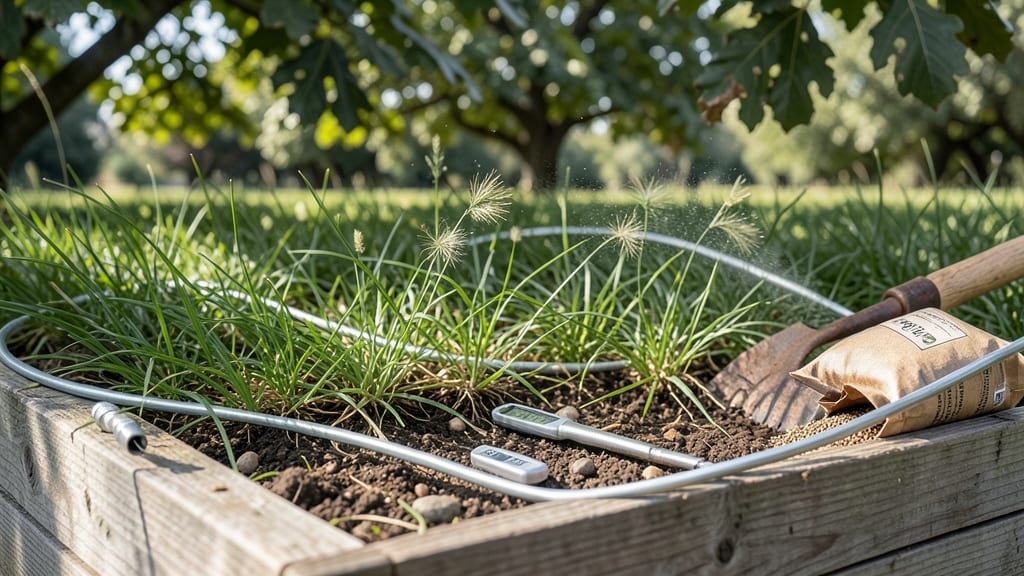
Planting Bermuda grass seed in Arkansas at the wrong time can leave you staring at a patchy, struggling lawn—especially when summer heat arrives faster than you expect. The key to success? Waiting until the soil warms to 65°F, typically between late April and early June, when the risk of frost has passed and the ground is ready for germination.
Arkansas’ 7a-8b climate means timing matters more than you might think. Plant too early, and cool nights or lingering moisture can smother your seeds. Too late, and the scorching summer sun will dry out your new grass before it gets a chance to take root.
I’ve seen both mistakes firsthand—and trust me, neither ends well.
But here’s the good news: with the right preparation and a clear planting schedule, you can transform your Arkansas yard into a lush, drought-resistant Bermuda grass lawn that thrives all summer long. Let’s break down exactly when, why, and how to plant for the best results.
From checking soil temperatures to choosing the right seed variety for your region, I’ll walk you through every step—so you can skip the guesswork and get it right the first time.
Optimal planting window for Bermuda grass seed in Arkansas (late spring timing guide)
Bermuda grass thrives in Arkansas’ heat, but planting too early risks frost damage, while waiting too late delays establishment before summer’s intense heat. The ideal window is when soil warms to 65°F (18°C), typically late April to early June across most of Arkansas.
This timing ensures seeds germinate quickly before summer’s peak temperatures arrive.
Arkansas spans USDA zones 7a-8b, creating regional variations. Northern areas like Fayetteville (Zone 7a) should wait until mid-May when nighttime temps stay above 55°F (13°C).
Southern regions like Texarkana (Zone 8a) can plant as early as late April when soil consistently stays warm. Always check air and soil temperatures to avoid guesswork.
🌱 Pro Tip: Use a soil thermometer ($10 at garden centers) to confirm readiness. Insert it 2 inches deep in full sun—this mimics seed depth. If temps dip below 65°F at night, delay planting by 1-2 weeks.
| Region | Best Planting Window | Soil Temp Threshold | Key Consideration |
|---|---|---|---|
| North Arkansas (Fayetteville, Rogers) | Mid-May to early June | 65°F+ consistently | Cooler nights; wait for 55°F+ minimum temps |
| Central Arkansas (Little Rock, Hot Springs) | Late April to mid-May | 65°F+ by day | Moderate climate; monitor weekly temp trends |
| South Arkansas (Texarkana, El Dorado) | Late April to early May | 65°F+ by late April | Warmer microclimates; act fast—seeds sprout in 7-14 days |
For a week-by-week planting schedule, aim to complete sowing by June 1 in most of Arkansas.
Here’s a rough timeline: - Week 1-2 (Late April/Early May): Prep soil, test warmth, and order seed. - Week 3-4 (Mid-May): Plant in northern zones or shaded areas. - Week 5-6 (Late May/Early June): Finish planting in southern zones to avoid summer drought stress.
If you miss the primary window, consider sod instead of seed—it establishes faster and handles Arkansas’ heat better. However, late June plantings risk poor germination due to intense heat and drought. Always prioritize soil moisture during establishment, even if Bermuda grass is drought-tolerant once mature.
🌡️ Warning: Avoid planting if forecasted highs exceed 90°F (32°C) for 3+ days post-sowing. Seedlings can bake in the sun and fail to establish. Use light shade cloth if planting in extreme heat (e.g., July in southern Arkansas).
After planting, maintain consistent moisture for 4-6 weeks—this is critical for root development. Bermuda grass spreads aggressively once established, but drought stress early on leads to patchy, weak growth. In Arkansas’ clay-heavy soils, consider gypsum amendments to improve drainage before seeding.
For urban lawns in cities like Little Rock, align planting with local irrigation schedules. Many Arkansas cities restrict watering during peak summer—plan ahead to avoid shortages. If your area has watering bans, use drip irrigation or soaker hoses to keep seeds moist without waste.
Finally, track your progress with a germination journal. Note the date planted, soil temp, and first sprouts. In Arkansas, most Bermuda grass seeds sprout in 7-14 days under ideal conditions—but cooler or wet springs can delay this by 2-3 weeks.
Adjust your expectations based on local weather patterns.
Optimal planting window for Bermuda grass seed in Arkansas (late spring timing guide)
Timing your Bermuda grass seed planting is everything in Arkansas, where soil temperatures can swing from chilly to scorching in weeks. The sweet spot arrives when your soil hits a steady 65°F (18°C)—this warmth signals the seed it’s safe to germinate without risking frost damage.
In most of Arkansas (USDA zones 7a-8b), this typically falls between late April and early June, but your exact window depends on whether you're in northern Arkansas (Fayetteville) or southern Arkansas (Texarkana).
Northern Arkansas gardeners should wait until mid-to-late May to avoid late spring frosts, while southern regions can start as early as late April.
Use a soil thermometer ($10 at garden centers) to confirm—planting too early when soil is still cool (55°F or below) delays germination by weeks and invites mold. Patience here pays off with faster, more uniform growth once the grass takes hold.
| Region | Optimal Planting Window | Soil Temp Threshold | Key Risk |
|---|---|---|---|
| Northern Arkansas (Fayetteville) | Mid-to-late May | 65°F+ (consistent) | Late frosts (after April 15) |
| Central Arkansas (Little Rock) | Late April to early May | 65°F+ (consistent) | Unpredictable spring rains |
| Southern Arkansas (Texarkana) | Late April | 65°F+ (earlier warmth) | Early summer drought |
For a week-by-week planting schedule, aim to start when daytime highs consistently exceed 75°F. In Little Rock, this usually means planting by May 15, while Fayetteville may need to wait until June 1.
Pro tip: Check the Arkansas Climate Office for your local heat zone—this data predicts when your area will reliably stay above 65°F for 7+ days straight.
Once you’ve nailed the planting window, act fast—Bermuda grass seed loses viability quickly in Arkansas’s heat. Spread seed within 24 hours of purchase and keep it in a cool, dark place until planting day.
A light topsoil layer (¼ inch) after seeding helps shield seeds from birds and drying winds, but avoid burying them deeper than ⅛ inch—they need light to germinate.
After planting, monitor your lawn’s moisture levels closely. Bermuda grass seed needs consistent soil moisture (not soggy) to sprout, which means watering daily for 10–15 minutes until you see green shoots in 7–14 days.
Once established, it thrives on Arkansas’s drought conditions, but young seedlings are delicate—think of them like baby chicks needing constant care until their roots run deep.
If you miss the late spring window, don’t panic—you can plant again in early summer (June), but germination slows in 90°F+ heat. For a fall option, some gardeners plant in late August, but this risks fall frosts cutting growth short.
The best bet? Stick to late spring and enjoy a thick, green lawn by July.