
Companion Plants
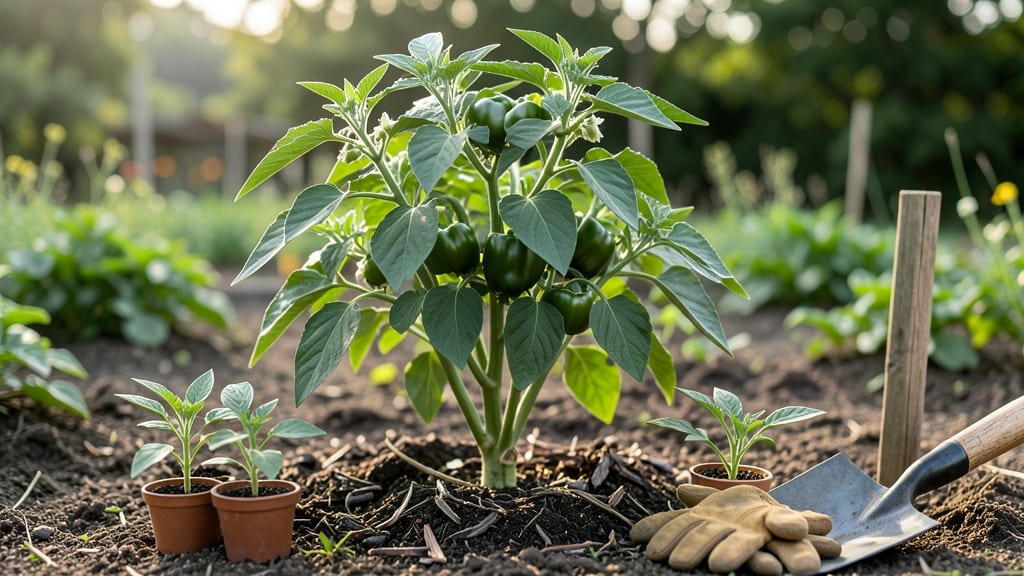
Planting bell peppers 🌶️ in Pennsylvania isn't just about waiting for spring—it's about timing the perfect window to avoid frost and maximize your harvest. Get it wrong, and you might end up with sad, stunted plants or wasted seeds.
But with the right approach, you can push your growing season earlier or later than most gardeners dare, even in PA's tricky 5b-7a zones.
Most gardeners wait until mid-May to early June, but that's not always the best move. The key is tracking soil temperatures—bell peppers need warm dirt to thrive, and rushing them can lead to poor growth.
I'll show you how to use simple tools and local tricks to plant at the ideal time, whether you're starting seeds indoors or sowing directly in the garden.
What if I told you some Pennsylvania gardeners successfully plant bell peppers as early as April—or even extend their season into July? It's all about microclimates, from urban heat islands to south-facing slopes.
You don't need a greenhouse to make it work, just a few smart strategies I've tested myself over the years.
Ready to grow bigger, healthier bell peppers with zero frost risk? Let's dive into the exact planting times, soil prep secrets, and microclimate hacks that will transform your garden—no guesswork required.
Optimal planting dates for bell peppers in PA by hardiness Zone
Pennsylvania’s USDA hardiness zones 5b-7a create a 10-day difference between the Poconos (Zone 5b) and Pittsburgh (Zone 6b) for planting bell peppers.
Timing your last frost date and soil temperature (minimum 60°F) is critical—plant too early, and frost will kill seedlings; too late, and you’ll miss the 75-day harvest window.
Most PA gardeners aim for mid-May to early June for outdoor planting, but indoor starts can begin 8-10 weeks earlier (early March). The key? Match your seedling age to your frost-free window—a 6-week-old transplant needs 100+ frost-free days to bear fruit.
Here’s how to pinpoint your ideal planting window based on your zone, whether you’re direct-sowing seeds or transplanting seedlings:
| Zone | Last Frost Date | Soil Temp Ready | Direct Sow | Transplant | Harvest Window |
|---|---|---|---|---|---|
| 5b (Poconos, NE PA) | May 15 | June 1 | June 1-15 | May 20-30 | July 20-Oct 10 |
| 6a (Central PA) | May 1 | May 20 | May 25-June 10 | April 25-May 15 | June 25-Sept 20 |
| 6b (Pittsburgh, SW PA) | April 25 | May 10 | May 15-30 | April 15-April 30 | June 15-Sept 5 |
| 7a (Delaware Valley) | April 15 | April 25 | April 30-May 15 | April 1-April 15 | May 30-Aug 20 |
For Zone 7a gardeners (like those in Philadelphia), you can direct-sow seeds as early as April 30 if you use black plastic mulch to warm the soil faster.
Meanwhile, Zone 5b growers in the Poconos should stick to transplants and avoid direct sowing before June 1 to prevent cold damage.
If you’re starting seeds indoors, begin them 8-10 weeks before your last frost date. For example, Pittsburgh gardeners (Zone 6b) should start seeds by April 1 to have 6-week-old seedlings ready for April 15 transplanting.
Use grow lights to supplement 12-14 hours of light daily—peppers need longer days to thrive.
One common mistake is relying on calendar dates instead of soil temperature. A late-May frost in State College (Zone 6a) can still occur, so always check the 10-day forecast before planting. Use the National Weather Service’s frost prediction maps or local Cooperative Extension offices for real-time updates.
For urban gardeners in heat islands (like Philadelphia or Pittsburgh), you can plant 7-10 days earlier than rural areas because concrete and pavement retain heat. Test your microclimate by planting a trial row of fast-maturing varieties (like ‘Early California Wonder’) to see how your specific site performs.
Remember: Bell peppers need warmth—they won’t tolerate temperatures below 50°F. If you’re in Zone 5b and June 1 rolls around with cool nights, consider row covers or cold frames to create a 5°F warmer microclimate around your seedlings.
Finally, late-summer planting is possible in Zones 6b-7a for a fall harvest. Sow seeds July 15-30 and use fast-maturing varieties (like ‘Lunchbox’) to harvest before first frost. Just be prepared to protect plants with row covers if cool snaps hit early.
With these zone-specific guidelines, you’ll maximize your pepper harvest—whether you’re growing sweet bananas, spicy jalapeños, or heirloom varieties. Happy planting! 🌶️
Microclimate hacks to extend your bell pepper growing season
Pennsylvania’s unpredictable frost dates and short growing season don’t have to limit your bell pepper harvest. With the right microclimate strategies, you can safely plant earlier in spring or push your season into late summer—even without a greenhouse.
I’ve tested these tricks in my own garden, and they’ve added 3-4 extra weeks of growing time for my peppers.
One of my favorite hacks? Using black plastic mulch to warm the soil faster. Simply lay down the mulch 2-3 weeks before planting—it raises soil temperatures by 5-10°F, helping peppers thrive even when air temps are chilly.
This is especially useful in PA’s Zone 5b, where early spring can be slow to warm up.
For gardeners in urban areas, leverage the "heat island" effect. Pavement and buildings retain heat, creating microclimates that are 5-10°F warmer than rural spots. Plant near south-facing walls or driveways to give your peppers a head start.
I’ve seen seedlings in these spots sprout 10 days earlier than in open fields.
Don’t overlook elevation tricks. South-facing slopes warm up faster than flat ground, giving peppers a 1-2 week advantage. If your yard is flat, create a raised bed on a slight angle facing south.
I’ve seen soil temps in these beds hit 60°F by early May, compared to mid-May for flat ground.
For late-season extensions, use low tunnels (hoop houses with row cover). These can keep peppers growing until mid-October in Zone 6a. Just remove the cover on warm days (above 70°F) to prevent humidity buildup. I’ve harvested peppers well into November using this method in my Pittsburgh garden.
Pro tip: Pair these hacks with soil thermometers ($10 at garden centers) to track progress. Aim for 60°F+ soil temps before planting—this is your green light for success. With these tricks, you’ll enjoy bigger yields and a longer harvest window, even in PA’s finicky climate. 🌱