
Plants
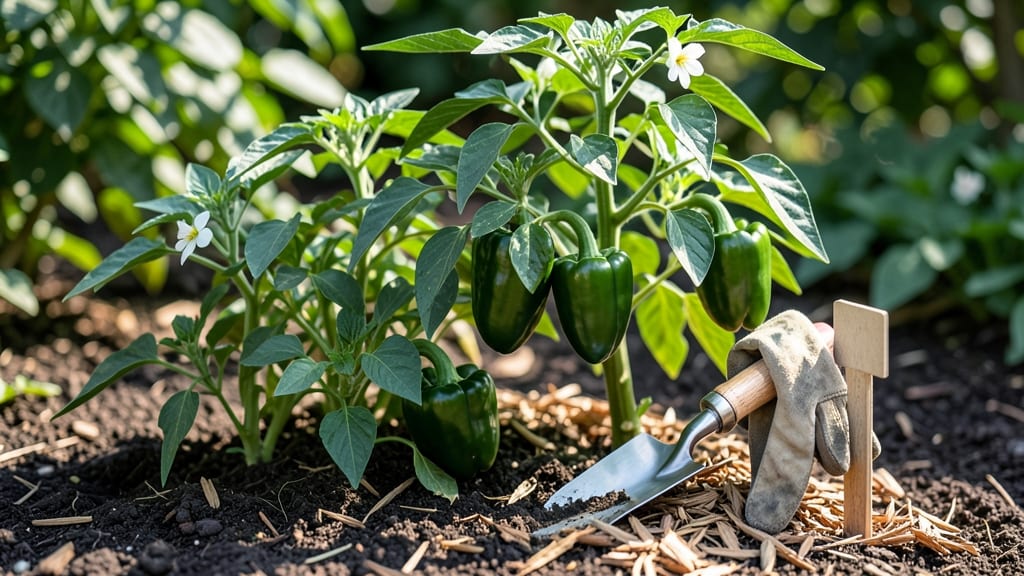
Planting bell peppers in Oklahoma isn’t just about waiting for spring—it’s about catching that narrow window between last frost and scorching summer heat. Miss the mark, and your 🌶️ plants could bolt, rot, or simply wilt under the relentless sun.
With USDA Zone 7b’s unpredictable swings from frost to 100°F days, timing is everything.
Most gardeners in Oklahoma swear by transplanting bell pepper seedlings between April 15 and May 15, but soil temperature is the real game-changer. Your plants need the ground to stay above 60°F for roots to thrive—cold soil stunts growth, and no amount of patience will fix it.
That’s why I’ve dug into Oklahoma State University’s data to give you the exact deadlines you need.
Here’s the secret: even if your neighbors are rushing to plant, waiting for the last frost (usually around March 15 in most of Zone 7b) isn’t enough. You’ll also need to account for regional microclimates—some areas stay cooler longer, while others dry out faster.
I’ll show you how to adjust your schedule based on your specific corner of Oklahoma.
Once you’ve nailed the timing, we’ll tackle the next big challenge: keeping your peppers productive through Oklahoma’s brutal summers. From row covers to heat-tolerant varieties, I’ll share the proven strategies that actually work—so you can go from seedling to harvest without the stress. Let’s get started.
Oklahoma’s exact bell pepper planting deadlines (avoid frost & heat stress)
Oklahoma’s USDA Zone 7b climate creates a narrow window for planting bell peppers—too early means frost damage, and too late risks summer’s 90°F+ heat. The last average frost date in Oklahoma City is March 15, but soil must also reach 60°F for seedlings to thrive.
This means your ideal transplant window is April 15–May 15, with a backup fall planting opportunity in August for late-season harvests.
Bell peppers are heat-sensitive when young but struggle in temperatures above 85°F later in the season. Oklahoma’s summer heat (June–August) forces gardeners to plant early or use shade cloth to prevent blossom drop.
The Oklahoma State University Extension recommends starting seedlings indoors 8–10 weeks before your target outdoor date to give them a head start against the state’s unpredictable weather patterns.
📅 Key Deadlines for Oklahoma (Zone 7b):
- Last Frost Date: March 15 (varies by microclimate)
- Soil Warm-Up: Aim for 60°F+ (use a soil thermometer!)
- Transplant Window: April 15–May 15 (spring) or August 1–15 (fall)
- Harvest Window: July–October (spring plantings) or October–November (fall plantings)
| Stage | Action | Oklahoma Timeline |
|---|---|---|
| Start Indoors | 8–10 weeks before last frost | February 1–March 1 |
| Hardening Off | 1–2 weeks before transplant | April 1–14 |
| Transplant Outdoors | After soil reaches 60°F | April 15–May 15 |
| First Harvest | 75–90 days after transplant | July–August |
| Fall Backup | August 1–15 for late harvests | October–November |
For fall plantings, Oklahoma’s first frost typically arrives November 15, leaving just 60–75 days for a second harvest. Choose fast-maturing varieties like ‘Early California Wonder’ (60 days) or ‘Carolina Wonder’ (70 days) to maximize yields.
Use row covers or cold frames to push your harvest window into early December if needed.
Oklahoma’s clay-heavy soils and alkaline pH (often 7.5–8.5) can stunt pepper growth if not amended. Test your soil 4–6 weeks before planting—aim for a pH of 6.0–6.8 and well-draining conditions.
Mix in 2–3 inches of compost or aged manure to improve structure and fertility. Mulch heavily with straw or wood chips to retain moisture during Oklahoma’s dry spells.
Pro tip: Monitor nighttime temperatures—bell peppers struggle below 55°F. If a late spring frost threatens (common in Oklahoma’s Zone 7b transitions), cover plants with floating row covers or old bedsheets. Remove covers by 10 AM to prevent overheating. 🌱
Common mistakes in Oklahoma include planting too early (risking frost) or too late (triggering heat stress). Another pitfall is overcrowding seedlings—peppers need 18–24 inches apart for airflow. Use drip irrigation to avoid wetting leaves (which promotes fungal diseases like phytophthora, common in Oklahoma’s humidity). ☀️
For container gardening in Oklahoma’s urban areas, use 5-gallon pots and plant one pepper per container. Place pots in full sun and water daily during summer—containers dry out 3x faster than in-ground beds.
How to prepare Oklahoma soil for bell peppers (before & after planting)
Oklahoma’s clay-heavy soil and alkaline pH can stall bell pepper growth if not prepped properly. The key? Amending soil 6-8 weeks before planting to create the perfect 6.0-6.8 pH environment these peppers crave. Start by testing your soil—most Oklahoma gardens naturally skew toward 7.5-8.5 pH, which locks out nutrients.
For drainage fixes, mix in 2-3 inches of compost and 1 inch of coarse sand per square foot. This breaks up clay’s dense structure while retaining moisture—a must for Oklahoma’s variable rainfall. Avoid fresh manure, which can burn tender pepper roots and attract pests like aphids.
Compacted clay soil suffocates roots, while alkaline pH (above 7.0) blocks iron and zinc uptake. Solution: Add sulfur to lower pH and gypsum to improve drainage. Test soil again in 2 weeks—Oklahoma’s limestone bedrock can resist pH changes.
🌱 Pro Tip: Work amendments into the top 12 inches of soil for best results.
After amending, mulch with 3-4 inches of straw or shredded leaves to lock in moisture and regulate soil temperature. Oklahoma’s swings from 90°F days to 50°F nights stress peppers—mulch keeps roots stable. Avoid plastic mulch, which traps heat and can scorch young plants during our sudden summer spikes.
For container growers, use a 50/50 mix of potting soil and compost in pots at least 12 inches deep. Add a handful of perlite or vermiculite to prevent compaction. Containers dry out faster in Oklahoma’s windy springs, so check moisture daily—drip irrigation works best for consistent hydration.
One week before planting, add a balanced fertilizer (10-10-10) at half strength to jumpstart growth. Focus on phosphorus for root development—bell peppers need strong anchors to support their 2-4 foot frames. In Oklahoma’s heat, water deeply every morning to prevent blossom-end rot, a common issue when soil moisture fluctuates.
Finally, space seedlings 18-24 inches apart in rows 3 feet apart. This airflow reduces fungal diseases like early blight, which thrives in Oklahoma’s humid summers. If your soil still drains poorly after amendments, consider raised beds—elevated soil warms faster in spring and dries more evenly.
With these steps, your Oklahoma soil will transform from a nutrient desert to a pepper-growing powerhouse. The payoff? Juicy, disease-resistant peppers ready to harvest by mid-summer—just in time for Oklahoma’s 100°F+ heat to take over. 🌶️