
Plants
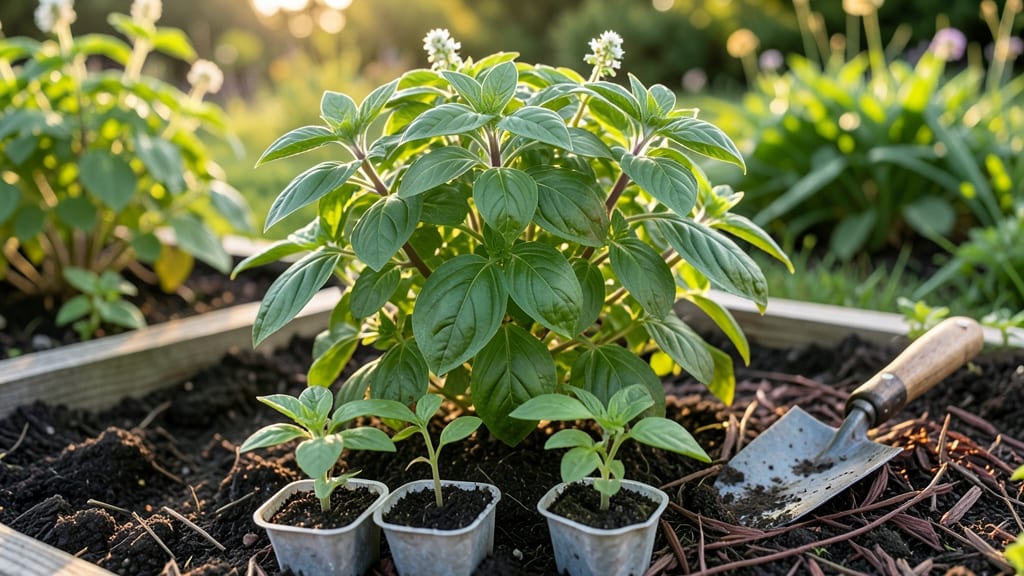
Timing your basil planting in Maryland can mean the difference between a thriving 🌿 harvest and a sad, wilted disappointment—because those last frost dates aren’t just numbers on a calendar.
If you’ve ever rushed to plant basil too early, only to watch it shiver through a surprise cold snap, you know the frustration. Maryland’s 7a-7b climate demands patience, but getting it right means fresh pesto from June through September without the guesswork.
I’ll break down the exact planting windows for your region, whether to start seeds indoors or dive straight into the soil, and how to stretch your harvest through summer’s heat. No more wasted plants—just flavorful, fragrant basil all season long.
Ready to turn your garden into a basil powerhouse? Let’s get those seeds in the ground at the perfect moment for zero-frost success.
Maryland’s basil planting calendar: frost dates, soil temps, and hardiness zones
Understanding Maryland’s microclimates and frost patterns is key to planting basil at the perfect time. The state spans USDA Zones 6b–8a, meaning frost dates vary dramatically—from early April in the mountains to late April on the Eastern Shore.
For zero-frost success, aim to plant basil 2–3 weeks after your local last frost date, when soil temperatures hit 60–65°F.
Baltimore gardeners often face unpredictable spring weather, with frost lingering into May. Western Maryland’s cooler nights (Zone 6b) demand earlier starts, while Eastern Shore gardeners (Zone 8a) can push planting into mid-May.
Always check your local frost data—the National Weather Service’s Frost Prediction Maps are your best friend for precision timing.
Here’s your Maryland-specific planting timeline, broken down by region to ensure your basil thrives:
For extra protection, use row covers or cold frames if temperatures dip below 50°F after planting. Basil seeds won’t germinate in cold soil (below 50°F), so always test with a soil thermometer—it’s the #1 tool for foolproof timing.
Pro tip: If you’re eager to start early, sow seeds indoors 4–6 weeks before your last frost date. Use biodegradable pots so you can transplant seedlings directly into the garden without disturbing roots. This gives you a 2-week head start on outdoor plantings.
Maryland’s humid summers can stress basil, so plan to harvest before August if you plant in early spring. For a fall crop, try succession planting in late July—just be ready to protect plants from early frosts with row covers by mid-October.
Remember: Basil hates cold feet. Even a light frost (32°F) can kill young plants, so always monitor your local frost alerts. When in doubt, wait—your basil will thank you with bold, flavorful leaves all season long. 🌿
How to extend your basil harvest: succession planting and season-long care
Maryland’s humid summers and unpredictable weather can turn basil from thriving to bolting in weeks—but with the right strategies, you can enjoy fresh leaves from early June to late September. The key? Succession planting, smart shade management, and container flexibility for small spaces.
I’ve grown basil in Baltimore’s heat and Western MD’s microclimates, and these tactics work every time.
Start by planting basil seeds or seedlings every 2–3 weeks from mid-May through early July. This staggered approach ensures a continuous harvest instead of a single flush of leaves.
For containers, use 5–7 inch pots with drainage holes—this mimics in-ground conditions and makes it easy to move plants to shadier spots when temperatures hit 90°F+. Pro tip: Biodegradable pots let you transplant seedlings directly into the garden without disturbing roots.
5 Pro Tips to Maximize Basil Growth in Maryland
- Plant every 2–3 weeks from May to July for continuous harvests (use biodegradable pots for direct transplanting).
- Mulch with straw to retain soil moisture and prevent bolting during summer’s 90°F+ days.
- Prune regularly (pinch back 1/3 of stems) to encourage bushier growth and delay flowering.
- Use shade cloth (30–50%) in peak July/August to protect leaves from scorching.
- Harvest leaves before flowering (morning hours) for maximum flavor and yield.
Bolting—when basil flowers prematurely—is the #1 enemy of Maryland gardeners. To prevent it, avoid over-fertilizing (stick to a balanced 10-10-10 every 4–6 weeks) and water deeply in the morning. If you spot flower buds, snip them immediately—this redirects energy back to leaf production. For container growers, swap out pots every 4–6 weeks to refresh soil nutrients and reduce stress.
When July heat turns your basil’s leaves yellow or crispy, it’s time to act. Move containers to dappled shade (under a tree or patio cover) and water at the soil level (not overhead) to prevent fungal diseases like downy mildew.
A light misting of neem oil every 2 weeks keeps pests like whiteflies at bay—common in Maryland’s humidity. For in-ground plants, side-dress with compost mid-summer to replenish nutrients lost to heat stress.
Don’t let your basil harvest end with the first September chill. If your plants are still healthy, harvest leaves aggressively and protect them with row covers during unexpected frosts.
In Zone 7b/8a (Eastern Shore), you might even get a second flush of growth if you mulch heavily and water consistently. For a winter extension, bring potted basil indoors to a sunny windowsill—just reduce watering and expect slower growth.
With these strategies, you’ll go from one sad basil plant to a season-long supply of pesto, Thai curry basil, or lemon-infused simple syrups. The secret? Stay ahead of Maryland’s weather—plant early, shade smart, and keep harvesting. Your taste buds (and dinner guests) will thank you.