
Plants
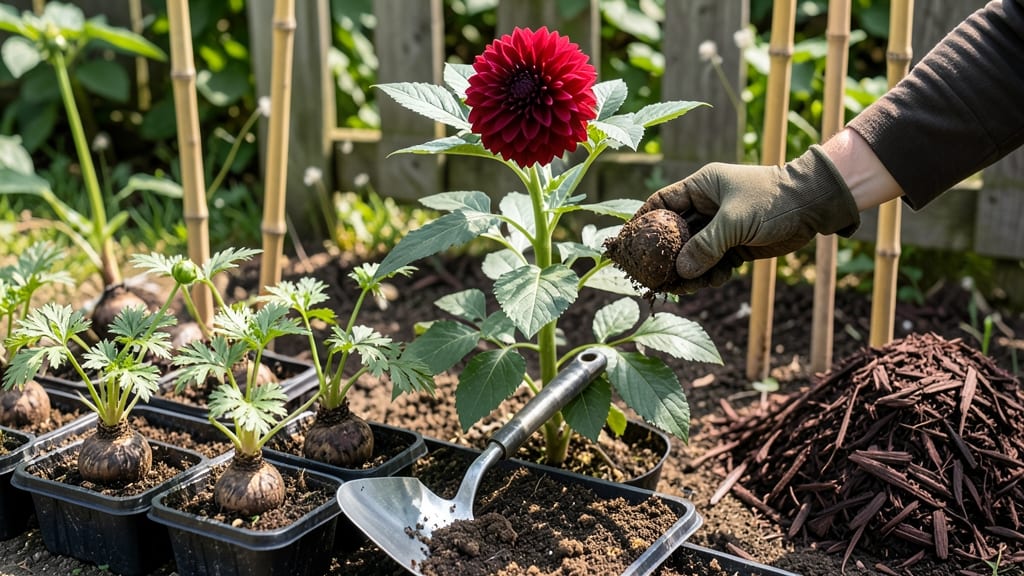
Planting dahlias in Vancouver can feel like a guessing game—get the timing wrong, and you might lose your 🌼 dahlias to an unexpected frost.
But here’s the secret: the coastal climate means your inland neighbors might be planting weeks before you, while you’re still waiting for the last frost to pass.
With Vancouver’s USDA Zone 8a and rainy season, knowing when to plant is everything. Whether you’re starting tubers indoors in early spring or waiting for mid-April to tuck them into the soil, the right move keeps your dahlias thriving until October’s first frost.
Let’s break down the exact windows for your microclimate.
You don’t need a crystal ball—just a few key dates and soil checks. From hardening off seedlings to adjusting for Vancouver’s unpredictable weather, I’ll show you how to avoid common mistakes and get those blooms off to a fast start.
Ready to grow dahlias that outshine the rest? Grab your gloves, and let’s get those tubers in the ground at the perfect moment—no more missed seasons or wilted dreams.
Vancouver’s dahlias planting timeline: coastal vs inland frost-free dates
Vancouver’s unique microclimates create two distinct planting zones for dahlias: the coastal region (milder, wetter) and the inland areas (cooler, drier). The last average frost date varies by just 2-3 weeks, but soil temperature thresholds for tuber viability differ significantly.
Coastal areas typically see frost-free conditions by mid-April, while inland zones may wait until early May. Always check your local frost-free date—Vancouver’s range spans from March 15 to April 30 depending on elevation.
Dahlias thrive when soil temperatures reach 60°F (15°C)—a critical threshold for tuber growth. Coastal Vancouver often hits this mark by late April, while inland areas may need to wait until early May.
Using a soil thermometer ensures you plant when roots can actively grow. Never plant tubers in cold soil, as this invites rot and stunted growth.
Here’s how the two zones compare for optimal planting windows and key soil conditions:
| Factor | Coastal Vancouver | Inland Vancouver |
|---|---|---|
| Last Frost Date (Avg.) | Mid-April | Early May |
| Soil Temperature Threshold | 60°F (15°C) by late April | 60°F (15°C) by early May |
| Ideal Planting Window | April 15–May 1 | May 1–15 |
| Key Risk | Excess moisture (rot) | Late frost damage |
| Soil Prep Tip | Raise beds for drainage | Add compost for warmth |
For coastal gardeners, prioritize well-draining soil to combat Vancouver’s persistent rain. Inland gardeners should focus on mulching to retain soil warmth and prevent late frosts from damaging young shoots.
Both zones benefit from starting tubers indoors 6–8 weeks before the last frost—ideal for early February in coastal areas and late February inland.
Vancouver’s 165 frost-free days (March 15–October 15) mean dahlias can bloom until late October if planted correctly. However, coastal dahlias often flower 2–3 weeks earlier than inland varieties due to warmer spring soil.
Choose early-blooming varieties like ‘Café au Lait’ for coastal zones or hardier types like ‘Thomas Edison’ for inland areas prone to cooler nights.
Pro tip: Use frost cloth for the first 2 weeks after planting to protect tender shoots. This is especially critical in inland zones where late frosts can occur as late as May 10. Monitor your local Environment Canada alerts for frost warnings—Vancouver’s microclimates shift quickly!
If you’re unsure about your exact microclimate, test your garden’s frost risk by planting a frost-sensitive annual (like basil) in early April. If it survives, your zone is likely coastal-friendly. If it dies, you’re in a higher-risk inland area and should delay planting by 1–2 weeks.
For container gardening (common in Vancouver’s urban yards), plant tubers in large pots (18+ inches deep) and use heating mats if soil warms slowly. Containers dry out faster, so water deeply every 2–3 days once planted. Coastal containers may need extra drainage holes to prevent soggy roots from excess rain.
Remember: Soil temperature > air temperature for dahlias. A sunny day in April might feel warm, but if the soil is still below 55°F (13°C), your tubers won’t sprout. Use a soil thermometer for 3 consecutive days at 60°F before planting to guarantee success.
Vancouver’s dahlias planting timeline: coastal vs inland frost-free dates
Vancouver’s microclimates create dramatic differences in planting success for dahlias. Coastal areas near the water experience milder winters with later frosts, while inland zones like Maple Ridge or Chilliwack can see frost as late as May 10. Understanding these zones ensures your tubers sprout without frost damage.
For coastal Vancouver (e.g., West Vancouver or North Vancouver), the last average frost date is around April 15. Inland areas typically wait until May 1 or later.
Soil temperature is the real key—dahlias need 60°F+ soil to thrive, which coastal regions hit by mid-April but inland areas may not reach until late May.
🌱
If you’re planting in containers (common in Vancouver’s urban gardens), start tubers indoors 8–10 weeks before your local last frost date. For coastal areas, this means February 15, while inland gardeners should begin by March 15.
Use grow lights if natural light is limited—dahlias need 12+ hours of light daily to prevent leggy growth.
Pro tip: Check Environment Canada’s frost forecasts weekly in April. A single late frost can kill emerging shoots, so have row covers ready. Coastal gardeners often plant 2 weeks earlier than inland neighbors to account for milder nights.
For dwarf varieties (like ‘Mignon’ or ‘Café au Lait’), you can push the timeline slightly earlier—these tolerate cooler soils better than tall varieties. Just ensure they’re planted 4–6 inches deep to protect tubers from temperature swings.
🌿