
Plants
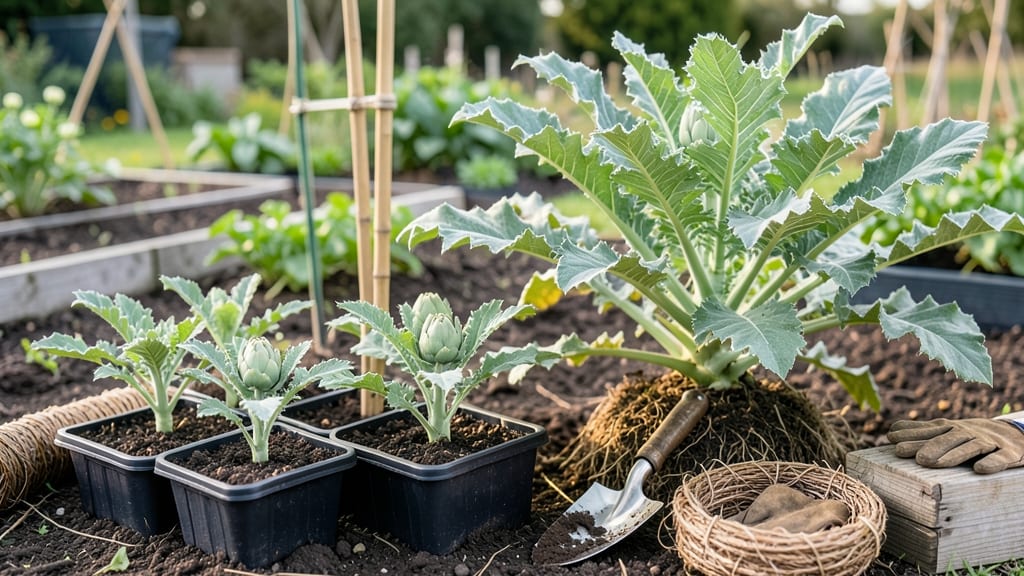
Planting artichokes in Zone 9 at the wrong time can turn your spring harvest into a flop—even though frost isn’t your enemy here. The real challenge? Balancing soil warmth, heat tolerance, and the 120-180 days these thorny giants need to mature before summer’s intensity kicks in.
Most gardeners in Southern California or Phoenix reach for their artichoke starts in late winter, but timing isn’t one-size-fits-all. Coastal areas with cooler nights might play it safer in February or March, while inland desert zones can push planting into early April without stressing the plants.
The key? Soil temperatures above 55°F—cold soil slows germination, and you don’t want your 🌱 artichokes struggling to establish roots in the heat.
Staggered planting is your secret weapon here. By spacing out your transplants every 2-3 weeks from January through March, you’ll extend your harvest window from April through June.
Globe varieties like ‘Green Globe’ are forgiving for beginners, while French types like ‘Imperial Star’ demand precision—but both reward patience with those prized, fuzzy buds.
Ready to avoid the common pitfalls? I’ll walk you through exactly when to plant, how to prep your soil for Zone 9’s quirks, and the 5 red flags that mean you’ve started too early.
Let’s get those artichokes in the ground the right way—so you’re feasting, not fixing mistakes, by summer.
Optimal planting windows for artichokes in Zone 9 (with frost-free logic)
Zone 9’s mild winters and long growing season make it ideal for artichokes—but timing still matters. Unlike frost-prone zones, Zone 9’s frost-free guarantee shifts focus to soil temperature and plant maturity before summer heat arrives.
The two best windows are late winter (February–March) and early spring (April), each with unique advantages.
Most gardeners in Southern California, Arizona, or Phoenix plant artichokes in March for a spring harvest (April–June). However, coastal areas (like San Diego) can start as early as February, while inland desert zones may wait until late March to avoid premature bolting from heat stress.
Here’s the key rule: Soil must reach 55°F+ before planting. Use a soil thermometer to check—cold soil delays germination and invites rot. In Zone 9b, this typically aligns with late February to early April, but microclimates vary.
For globe artichokes (most common), aim for a 150-day harvest window. If you plant in March, you’ll harvest by late July—just as summer heat ramps up. French artichokes (smaller, tender) mature faster (90–120 days), so they’re better for April plantings.
Pro tip: Stagger plantings every 2–3 weeks to extend your harvest. For example, plant half in March and half in April to enjoy artichokes from May through August without gaps.
| Planting Window | Best For | Soil Temp | Harvest Time | Zone 9 Notes |
|---|---|---|---|---|
| Late Winter (Feb–March) | Globe artichokes, early harvest | 55°F+ | April–June | Best for coastal areas; avoid if desert heat arrives early. |
| Early Spring (April) | French artichokes, extended harvest | 60°F+ | May–August | Ideal for inland zones; avoids summer bolting. |
| Fall (Sept–Oct) | Overwintering (rare, high risk) | 65°F+ | Next spring (unreliable) | Not recommended in Zone 9; plants may rot or bolt. |
If you’re in a coastal microclimate (e.g., San Diego), you can push February plantings by using row covers to protect young seedlings from rare 30°F dips. Inland areas like Phoenix should wait until mid-March to avoid heat stress during germination.
For container growing, plant 4–6 weeks later than in-ground plantings. Pots heat up faster, so delay until late March or April to prevent root burn. Use black plastic pots to absorb heat and self-watering containers to maintain moisture.
Remember: Artichokes hate transplant shock. Start seeds indoors 8–10 weeks before outdoors (by December–January) or buy transplant-ready starts from local nurseries in February. Hardening off seedlings for 10–14 days before planting improves survival rates.
Finally, succession planting is your secret weapon. By adding new plants every 2 weeks from March to May, you’ll enjoy a continuous harvest through summer—just as Zone 9’s heat peaks and other veggies bolt.
Optimal planting windows for artichokes in Zone 9 (with frost-free logic)
Zone 9’s mild winters and long growing season make it ideal for artichokes—but timing still matters. Unlike frost-prone zones, your last frost date is irrelevant here. Instead, focus on soil temperature (aim for 55°F+) and plant maturity before summer heat peaks.
Most gardeners in Zone 9 plant artichokes in late winter to early spring (January–March). This gives plants 120–150 days to mature before summer’s intense heat slows growth. Coastal areas (like San Diego) can start slightly earlier, while inland zones (like Phoenix) may wait until February for warmer soil.
Here’s the key difference: Fall planting is risky in Zone 9 because artichokes need warm soil to germinate. A spring start ensures consistent growth without winter chill delays.
🌱 Zone 9 Artichoke Planting Comparison
| Planting Window | Soil Temp Requirement | Best Varieties | Harvest Window |
|---|---|---|---|
| Late Winter (Jan–Feb) | 55°F+ | Globe (e.g., 'Green Globe') | April–June |
| Early Spring (March) | 60°F+ | French (e.g., 'Violetto') | May–July |
| Fall (Not Recommended) | N/A (Cold soil) | Avoid | Risky |
💡 Pro Tip: Use a soil thermometer to confirm warmth before planting. Coastal areas warm faster than inland zones.
For staggered planting, sow seeds every 2–3 weeks in January–February. This extends your harvest window and ensures continuous bud production. Just avoid planting after March 15, as summer heat can stress young plants.
If you miss the ideal window, don’t panic! Artichokes are perennial in Zone 9—they’ll regrow if you plant in early April, though yields may be smaller. Prioritize well-draining soil and morning sun to compensate for late starts.
Remember: Zone 9’s heat is your biggest challenge, not frost. Plant early to beat the summer slowdown, and your artichokes will reward you with plump, tender buds all season. 🌿