
Plants
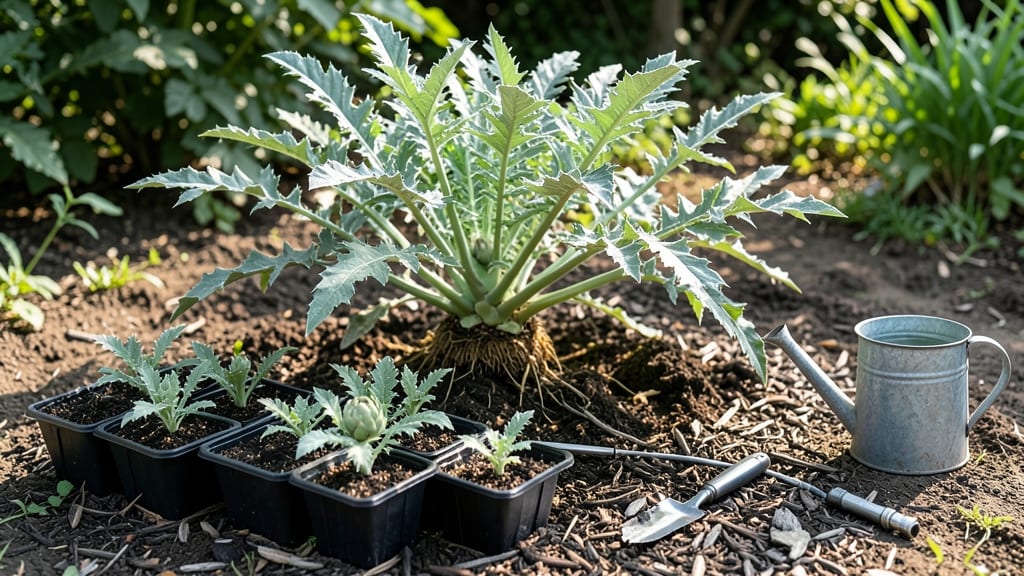
Planting artichokes in Texas isn’t just about sticking them in the ground—it’s about outsmarting the heat, frost, and unpredictable weather that can turn your garden dreams into a soggy mess.
With USDA zones 8a-10b and frost dates that vary wildly from North to South Texas, getting the timing right means the difference between a bountiful harvest and a sad, wilted plant.
Most Texas gardeners swear by fall planting—between September and November—when soil temps are just right and the risk of early freezes is low. But did you know that spring planting (February to early March) also works in warmer regions like South Texas?
The key is understanding your county’s frost-free window, which can shift by weeks depending on where you live.
In this guide, I’ll break down the exact planting windows for your region, including heat maps and county-specific advice. You’ll learn how to adjust for Texas’ extreme heat, avoid common mistakes, and even extend your growing season for year-round harvests. Let’s get those 🌱 artichokes thriving—no guesswork required!
Whether you’re in Dallas, Austin, or Houston, timing is everything. By the end, you’ll know precisely when to plant for a harvest that’ll make your neighbors jealous. Ready to dig in?
Texas artichoke planting zones: frost-free dates by county heat map analysis
Texas' vast size means artichoke planting times can vary dramatically from North Texas to South Texas. While Dallas/Fort Worth gardeners face later last frosts (around February 15), Houston/Beaumont can plant as early as January 1.
This regional divide creates a 100+ day difference in frost-free windows across the state.
Artichokes thrive in USDA Zones 8a-10b, but Texas' microclimates—like the Hill Country's cooler nights or El Paso's intense daytime heat—require tailored planting strategies.
For example, San Antonio's Zone 8b allows for two harvest windows (spring and fall), while Lubbock's Zone 7b limits gardeners to fall-only planting to avoid frost damage.
| Region | USDA Zone | Last Frost | First Frost | Ideal Planting Window | Harvest Window |
|---|---|---|---|---|---|
| North Texas (Dallas/Fort Worth) | 8a | February 15 | November 15 | September 1 - October 15 | April - June |
| Central Texas (Austin/San Antonio) | 8b | February 1 | December 1 | August 15 - October 30 | March - July |
| South Texas (Houston/Beaumont) | 9a | January 1 | December 15 | July 1 - September 30 | February - June |
| West Texas (El Paso/Lubbock) | 7b | March 1 | November 1 | September 1 - October 15 | April - May |
For North Texas gardeners, the 4-6 week window before the first frost (typically October 15-November 1) is critical. Planting too early risks bolting (premature flowering), while planting too late may result in stunted growth before winter chill sets in.
Use Texas A&M AgriLife Extension's county frost maps to pinpoint your exact last frost date.
In South Texas, where winters are milder, you can push planting into late summer (July-August) for a winter harvest. However, avoid planting after September 30—the 90+°F temperatures in late summer can stress young plants.
Instead, opt for shade cloth or drip irrigation to protect seedlings during these months.
Microclimates play a huge role—Hill Country elevations (like Fredericksburg) can have 10°F cooler nights
How to adjust planting timing for Texas' extreme heat and humidity
Texas' summer heat can turn your artichoke plants into crispy critters if you're not careful. Artichokes thrive in cooler temperatures, so adjusting your planting schedule is key—especially in counties like El Paso (Zone 8a) or Houston (Zone 9a), where summer temps can soar past 100°F.
The trick? Staggered planting and strategic timing to avoid the brutal midday sun.
For North Texas gardeners (Dallas/Fort Worth), focus on fall planting between September and October. This lets your artichokes establish roots before winter, then bolt into growth as temps cool.
In South Texas (Houston/Beaumont), where winters are milder, you can push planting to November—just be ready to protect them from unexpected cold snaps with row covers or cold frames.
Spring planting is trickier in Texas' heat. Plant in early March, but if your last frost date is later (like in East Texas), wait until mid-March to avoid heat stress. Pro tip: Use shade cloth (30-50%) during the hottest months to protect young plants from wilting.
Here’s how to beat the heat with 5 proven strategies:
In West Texas (El Paso/Lubbock), where summers are brutal but winters are cold, consider container growing. Move pots to shaded patios in summer and sunny spots in winter for flexibility. Just ensure containers have drainage holes—artichokes hate soggy roots!
For year-round harvests, combine fall and spring plantings. In South Texas, you might even squeeze in a winter crop (December-January) if you use row covers to protect from light frosts.
The key? Monitor your local frost dates (check the Texas A&M AgriLife Extension maps) and adjust your schedule accordingly.
Remember: Artichokes are Mediterranean plants, so they hate Texas summers. But with these tweaks, you can turn your garden into a cool-season oasis—just don’t let them bake in the sun! 🌱